Meaning
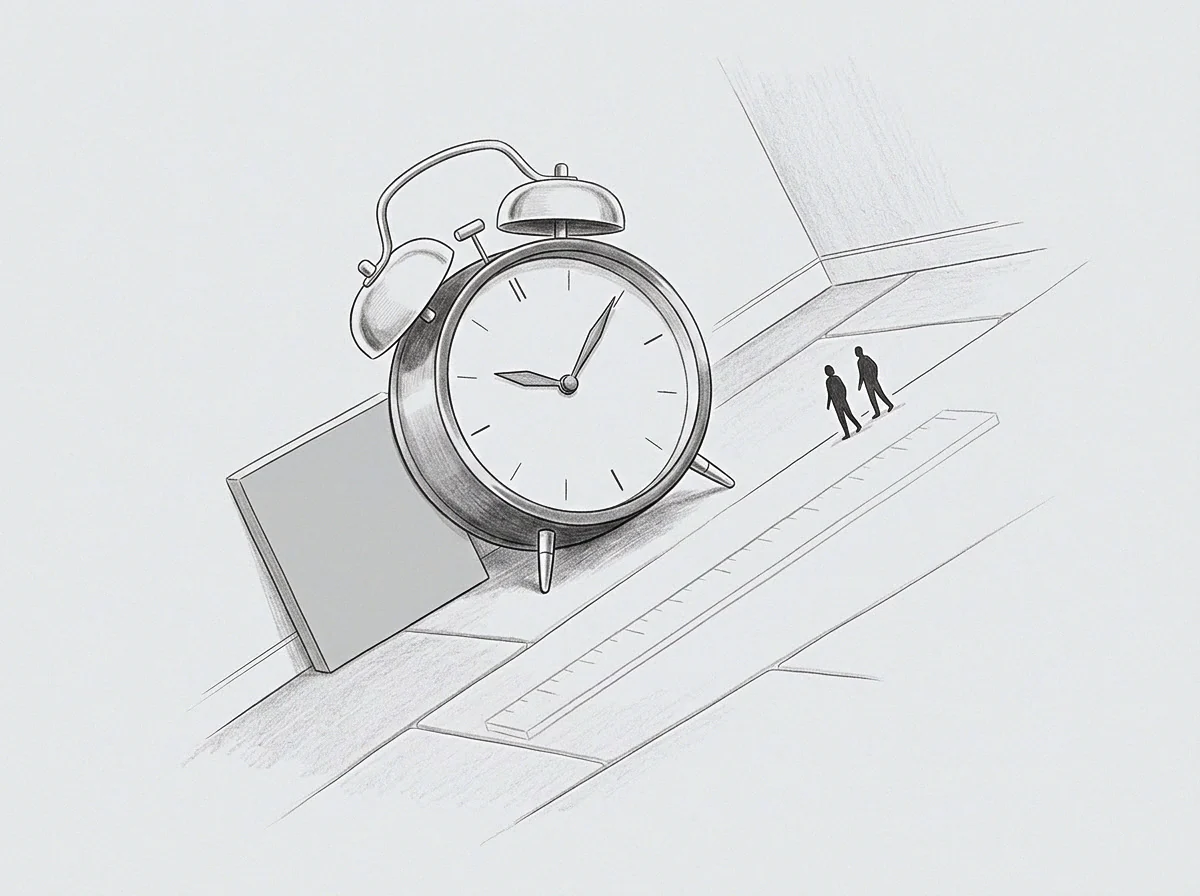
Unambiguous numerical time measurement counts elapsed seconds continuously since the initial day of nineteen seventy. The posix epoch establishes a shared chronological baseline across disparate computer systems by ignoring leap seconds entirely. This mathematical simplicity permits straightforward arithmetic operations on timestamps without requiring complex calendar libraries or timezone conversions.
Every stored record generated under this architecture relies on a monotonically increasing integer value to fix historical events in exact sequence.
Chronological Drift
System clocks drift away from actual astronomical time because quartz oscillators lack atomic precision. Network time protocol servers periodically adjust local system clocks to correct accumulated errors without reversing the underlying counter. Software applications handling these adjustments must account for discontinuous jumps in the numeric sequence.
Transaction logs captured during a clock step can appear out of order unless external sequencing guarantees precedence.
Data Longevity
Integer overflow limits numerical representation in thirty two bit software architectures. Engineers address this hardware constraint by migrating aging codebases to sixty four bit integers before numerical capacity exhausts. Legacy systems lacking this upgrade path fail catastrophically when timestamps wrap around to zero.
Archived corporate records depend entirely on integer width stability across decades of digital preservation.
Precision Limits
Subsecond granularity requires fractional scaling beyond standard integer boundaries. High frequency trading platforms measure intervals in microseconds or nanoseconds using dedicated hardware counters. Standard integer representations fail to capture causal order when multiple discrete events occur within the same second.
Distributed ledgers resolve this ambiguity by pairing the numeric baseline with cryptographic sequence numbers.