Meaning
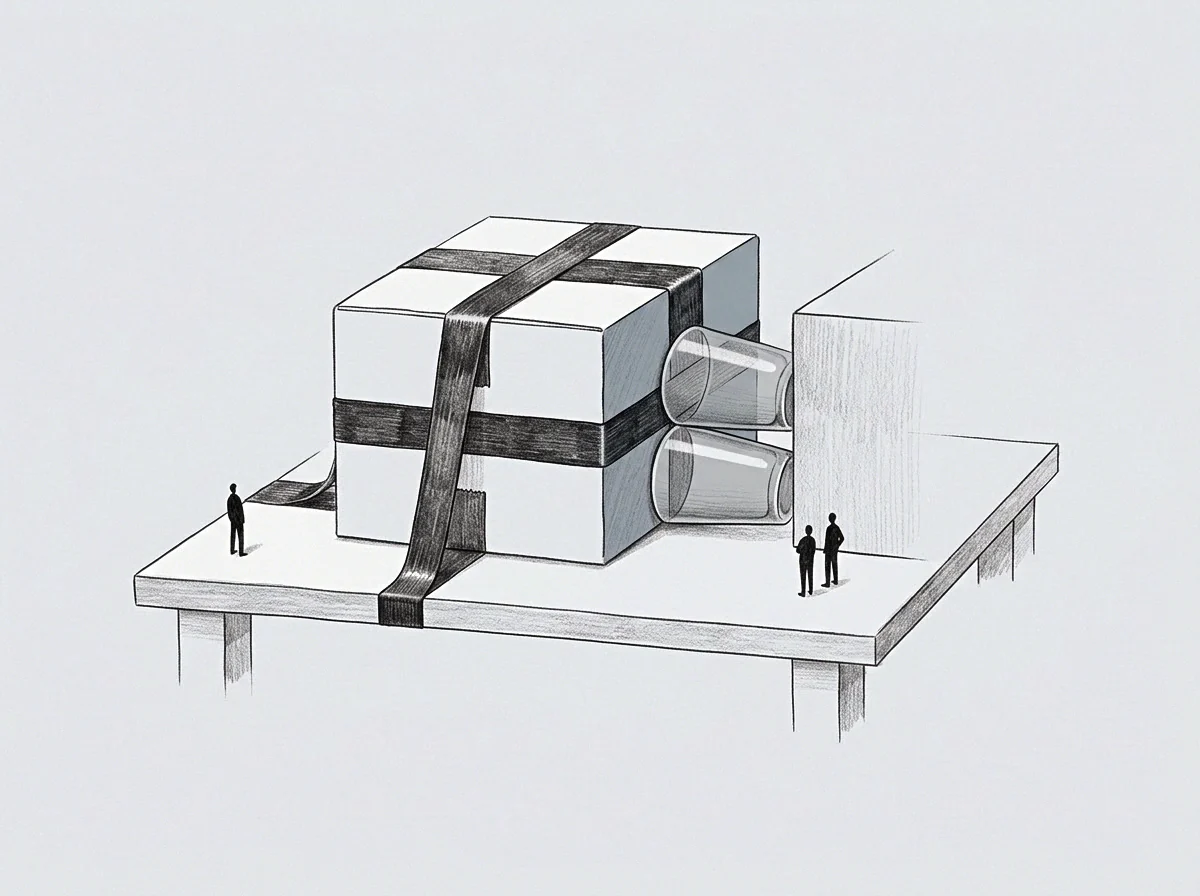
Dispute resolution during corporate restructuring relies on formal agreements to end future legal claims between parties. This is achieved through a release and waiver, which prevents the signing party from bringing legal action for past events. It governs the final settlement of liabilities and provides legal closure.
Claim Dismissal
Signing parties agree to surrender their right to sue in exchange for cash or other considerations. This release and waiver protects the company from surprise lawsuits after a founder or employee departs. It establishes a clean break that allows the business to move forward without outstanding liabilities.
Documented Closure
Settlement contracts must list the specific categories of claims being relinquished to be legally effective. A release and waiver must be signed by the departing party to create a solid shield against future litigation. Without this written proof, a firm remains vulnerable to claims of unpaid compensation or wrongful termination.
Having a signed copy in the corporate files is necessary to satisfy future investors during due diligence.
Organizational Benefit
Obtaining these signed documents gives the company and its investors peace of mind about historical employee relationships. This practice allows the management team to focus their attention on growth rather than legal defense. This protection is worth the administrative cost of organizing and storing these agreements securely.