Meaning
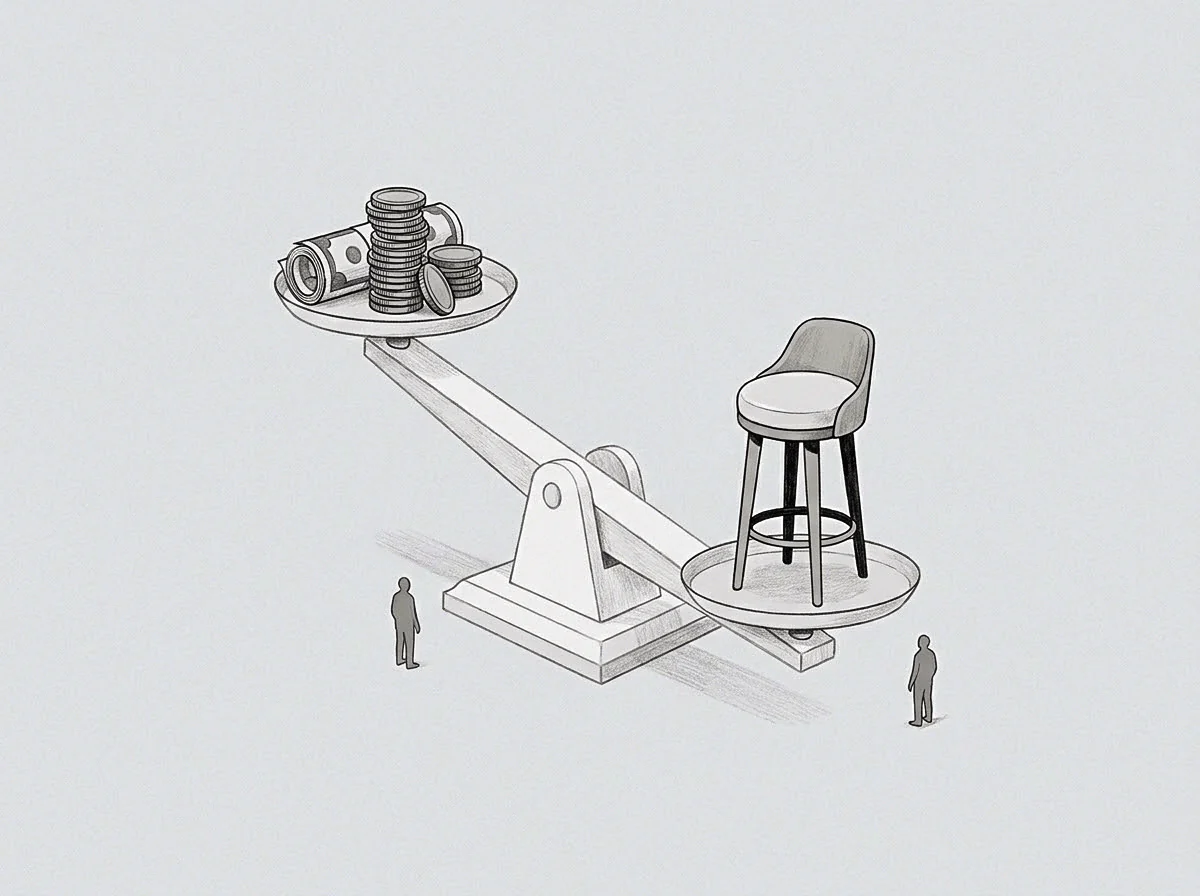
Legal remedy intended to put a party back in the position occupied before a contract was made or a promise was given. A reliance loss represents the actual out-of-pocket expenses incurred by a founder who acted on a deal that failed to materialize. It focuses on the costs of the attempt rather than the lost profits of the expected outcome.
This measure is often easier to prove than expectation damages because it relies on historical receipts and verifiable bank records.
Wasted Expenditure
Money spent on legal fees, office leases, hardware purchases and professional insurance for a project that never starts constitutes the core of this claim. When a founder calculates a reliance loss, the individual aggregates all the costs that now have no value because the counterparty backed out. If the equipment can be resold or used for another project, its value is subtracted from the total.
The goal is to compensate for the net drain on the founder’s resources.
Causation Requirement
A direct link must exist between the broken promise and the money spent. Proving a reliance loss requires showing that the founder would not have incurred these specific costs if they had known the deal would fall through. Expenses that the founder would have paid anyway, such as general living costs, are excluded from the calculation.
This ensures that the claim only covers the risk specifically invited by the other party. The evidence must be specific to the failed arrangement and cannot include general overhead.
Mitigation Duty
The party suffering the failure must take reasonable steps to minimize costs. If a founder continues to pay for a subscription after the project is cancelled, that extra cost is not part of a valid reliance loss. The law requires a prompt shutdown of expenses once the breach is known.