Meaning
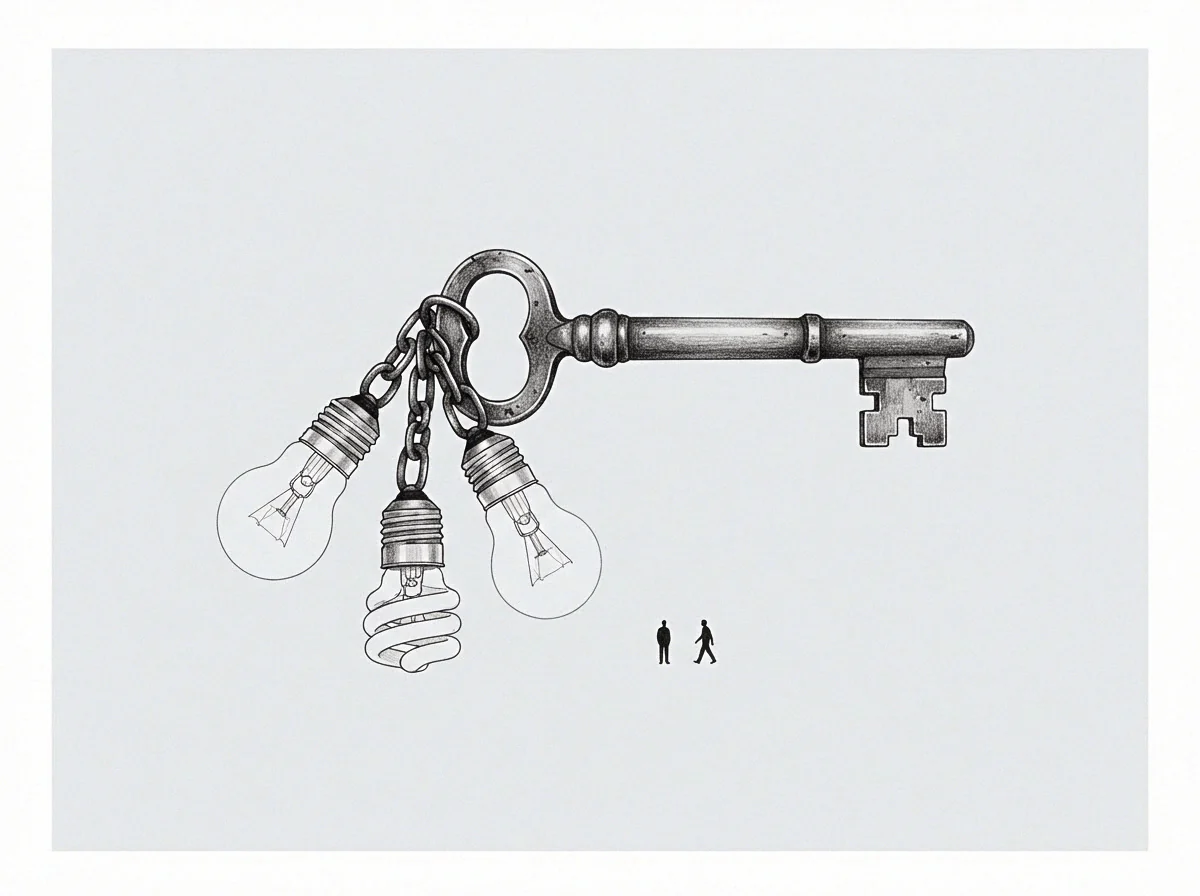
Security key management architectures experience synchronization collisions when key updates and active signed operations travel through concurrent network paths. A situation termed a rotation race occurs when an identity key or API token rotates while active signed requests using the previous key are still in transit across the network. If the receiving service updates its public key registry before processing the in-flight request, valid operations are rejected as unauthorized.
This condition reveals race conditions between administrative key management events and operational state changes. The boundary of this condition resolves once all nodes acknowledge the new key state and purge outdated public key caches.
Race Condition
Asynchronous network propagation causes delays in key updates reaching distributed API gateways. A rotation race manifests when an operational node executes requests using key state A while authorization servers have already transitioned to key state B. The target endpoint rejects incoming traffic due to signature mismatch against the newly updated key registry. System availability suffers during uncoordinated credential transitions.
Invalidated Execution
Rejected operational requests force client software to implement complex retry and re-signing routines. During a rotation race, legitimate user actions fail unexpectedly, requiring application software to fetch updated authorization keys and re-submit signatures. Failed calls increase network traffic and latency during credential update events.
Transaction logs record unexpected validation failures during the race interval.
Synchronization Window
Overlapping validity periods for old and new cryptographic keys prevent service disruption during credential rotation. Mitigating a rotation race requires authorization gateways to accept both key generations across a brief grace period. Multi-key grace windows ensure in-flight messages finalize successfully before old keys are revoked completely.
Overlap duration must be tightly bounded to preserve security.