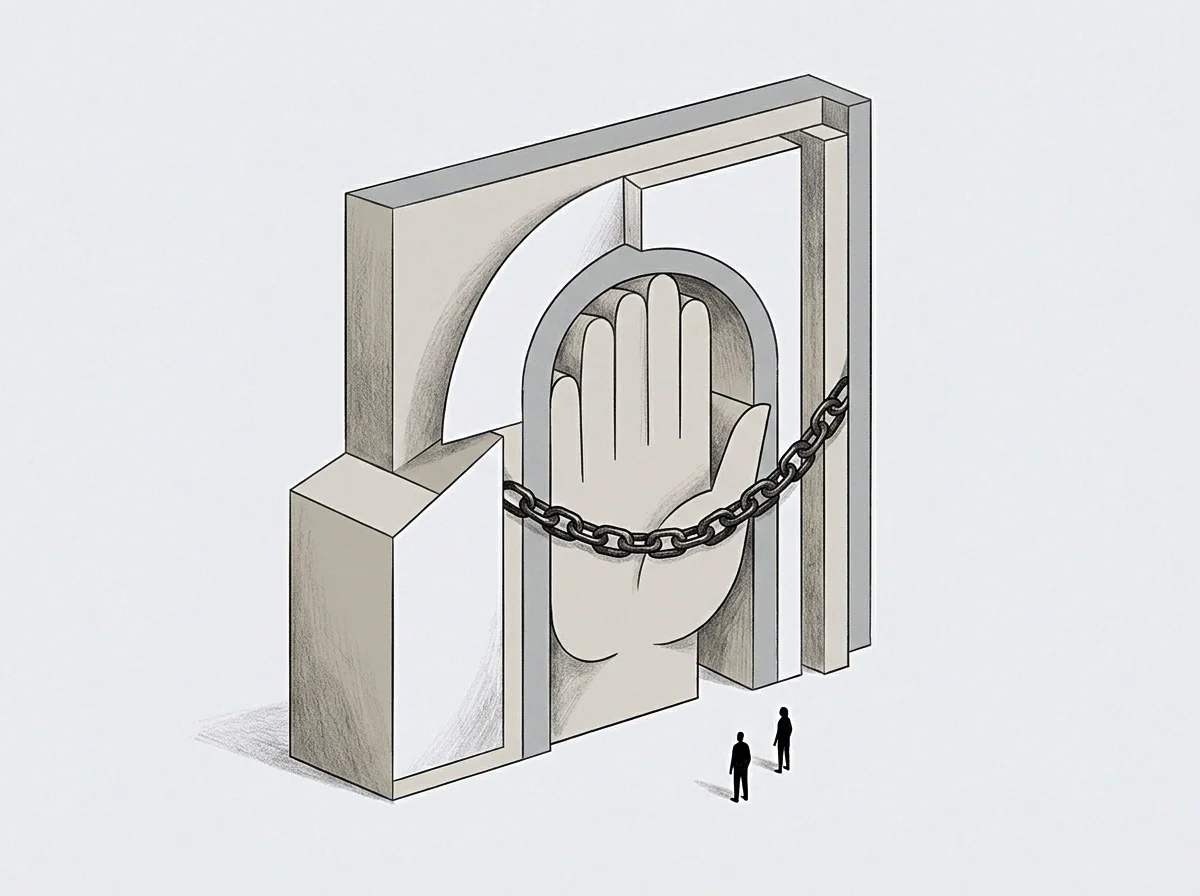
Meaning
Evidentiary rules governing trial proceedings determine whether audio or video recordings captured without participant knowledge can be introduced into evidence. Evaluating secret recording admissibility requires courts to weigh statutory privacy protections against the relevance and authenticity of offered audio evidence. State and federal evidence codes dictate whether unannounced recordings can be used to prove facts during litigation or arbitration proceedings.
Consent Threshold
Compliance with state wiretapping statutes determines whether surreptitious audio evidence survives pre-trial suppression motions. Proving secret recording admissibility requires establishing that the recording was obtained lawfully in a single-party consent jurisdiction or under a statutory criminal investigation exception. Recordings made in all-party consent jurisdictions without unanimous consent face automatic exclusion in civil trial proceedings.
Judicial Discretion
Court rulings on undisclosed audio evidence depend on strict compliance with chain of custody and authentication rules. Establishing secret recording admissibility requires proving that the digital file is authentic and free from technical manipulation. Trial judges routinely exclude unannounced recordings when the offering party cannot produce original recording devices or verifiable audit logs proving file integrity.
Attempting to introduce secretly recorded conversations in breach of statutory consent laws often backfires by inviting court sanctions or immediate statutory privacy counterclaims that expose the offering party to statutory damages and legal costs.
Impeachment Exception
Narrow legal exceptions allow unlawfully obtained audio recordings to be used solely to challenge witness credibility during cross-examination. Establishing secret recording admissibility for impeachment purposes prevents witnesses from giving false testimony on the stand, even if the recording remains inadmissible as direct evidence to prove liability.