Meaning
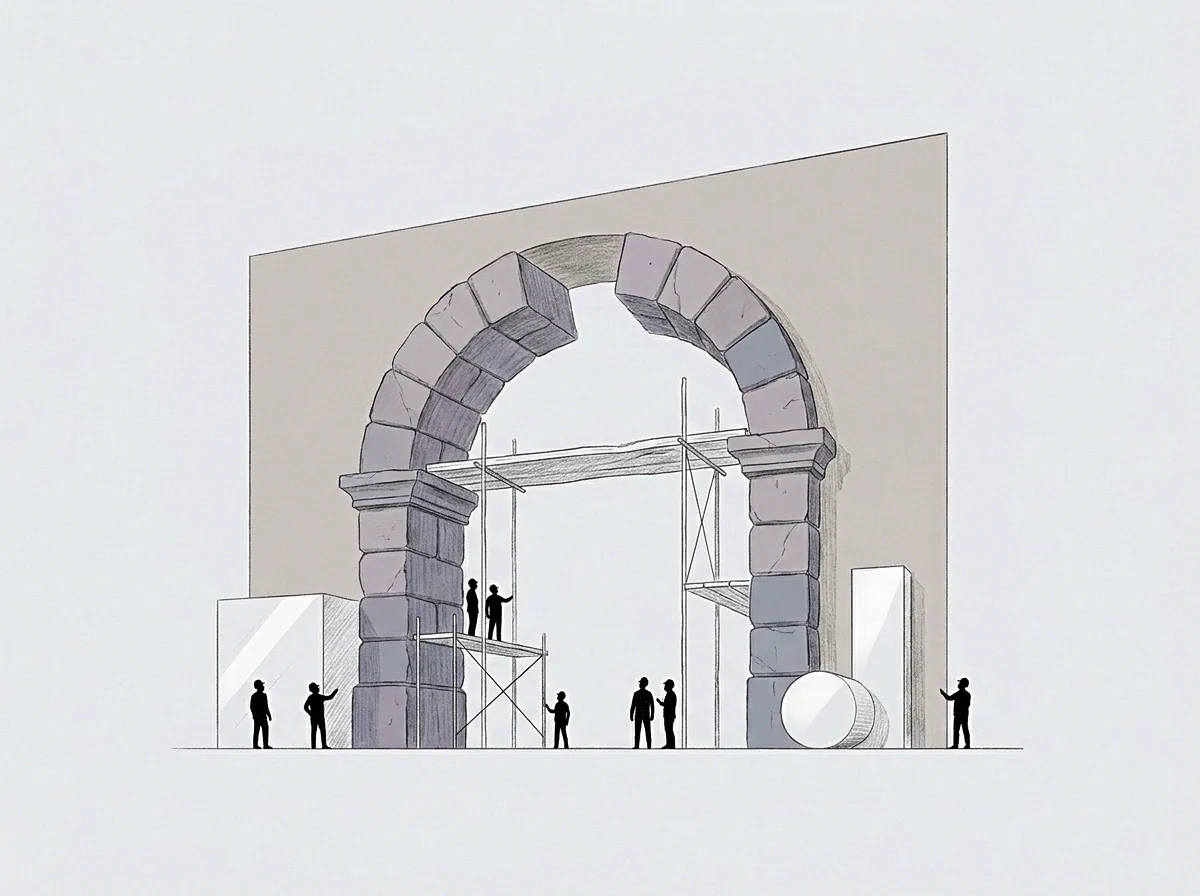
Disagreement between nodes in a network regarding the current status of data identifies a failure in the synchronization process. When state machine divergence occurs, different parts of a distributed system report different values for the same variable. This creates a break in the consistency of the record.
It prevents the network from reaching a final settlement on any pending transaction.
Network Latency
Delays in the transmission of data packets can cause nodes to process updates in a different order. If state machine divergence is triggered by a slow connection, some nodes might miss a critical transition. This leads to a local version of the database that no longer matches the rest of the group.
It is a common problem in systems spanning multiple continents.
Consensus Failure
Breakdown in the agreement protocol happens when the rules for selecting the next state are ignored or bypassed. A state machine divergence of this kind often indicates a software bug or a malicious attack. Because the system cannot decide which node is correct, it may stop processing new information entirely.
This halt protects the integrity of the data at the cost of availability.
Recovery Process
Restoring synchronization requires the network to identify the correct state and force all nodes to adopt it. To fix state machine divergence, administrators might have to roll back the entire system to a previous known good point. This process involves a comparison of all local logs to find the moment the error began.
It is a high pressure task that requires exact timing. A successful recovery ensures that the history of the ledger remains unbroken and that no transactions are lost during the reset. The cost of this operation is measured in the hours of downtime and the loss of trust from the users.