Meaning
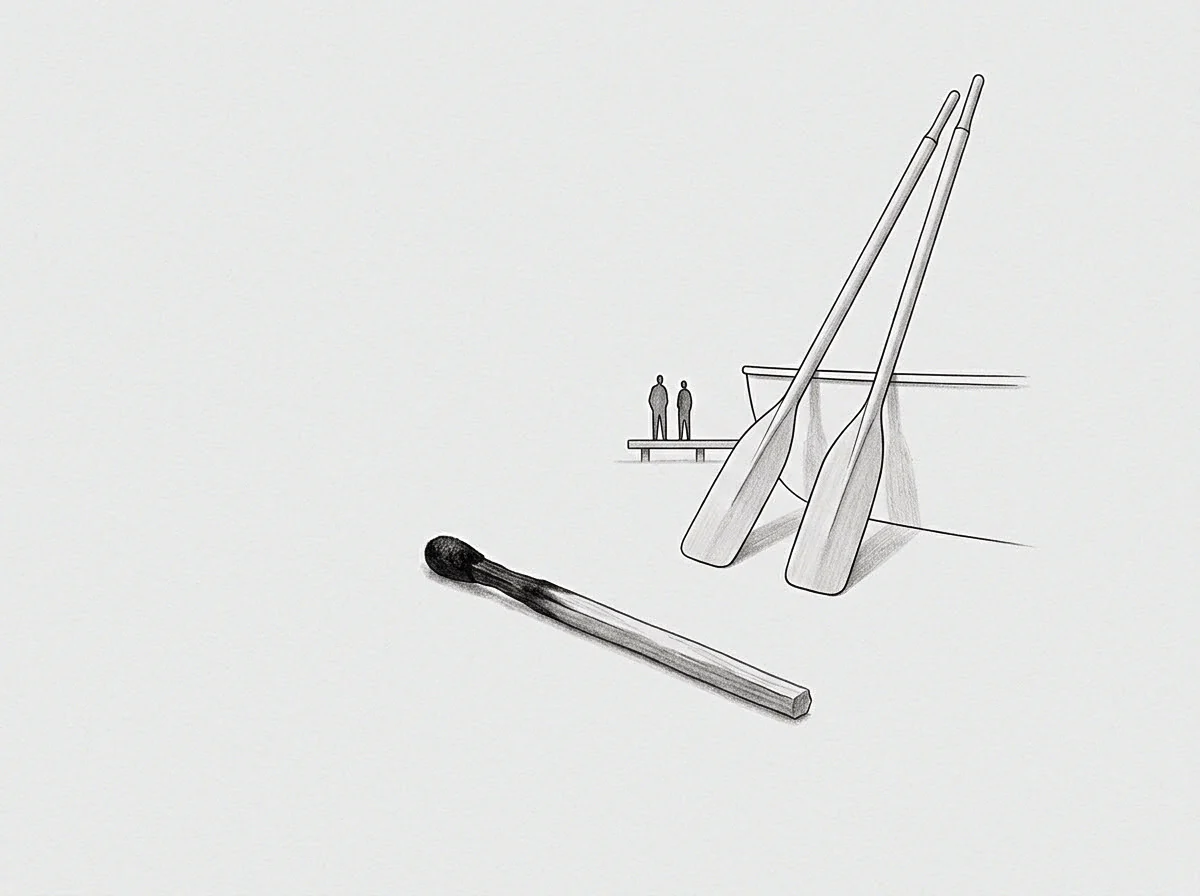
The difference in commitment level between early contributors who have invested substantial time and those who joined later is a source of tension in startups. This division, called sunk cost asymmetry, affects negotiations regarding equity distribution.
Founder Friction
Founders who have worked for months without pay hold a different perspective from later hires who receive a market salary. In such cases, sunk cost asymmetry causes the original founders to resist changes that might reduce their equity share. This can create a deadlock when the company needs to pivot to survive.
Investment Valuation
Early investors who put in seed capital often feel a stronger attachment to the original business model than new investors. This form of sunk cost asymmetry can make it difficult to agree on the valuation of subsequent funding rounds. The seed investors may hold out for higher valuations based on their past cash contributions, while the new investors demand a lower price that reflects current market realities and the actual progress of the product.
Strategic Resolution
Recognizing this disparity allows the board to design compensation plans that realign the incentives of all parties. When a company faces sunk cost asymmetry, it can offer performance-based milestones to reward new contributions without devaluing past efforts. This maintains a balanced approach to growth and prevents internal divisions.