Meaning
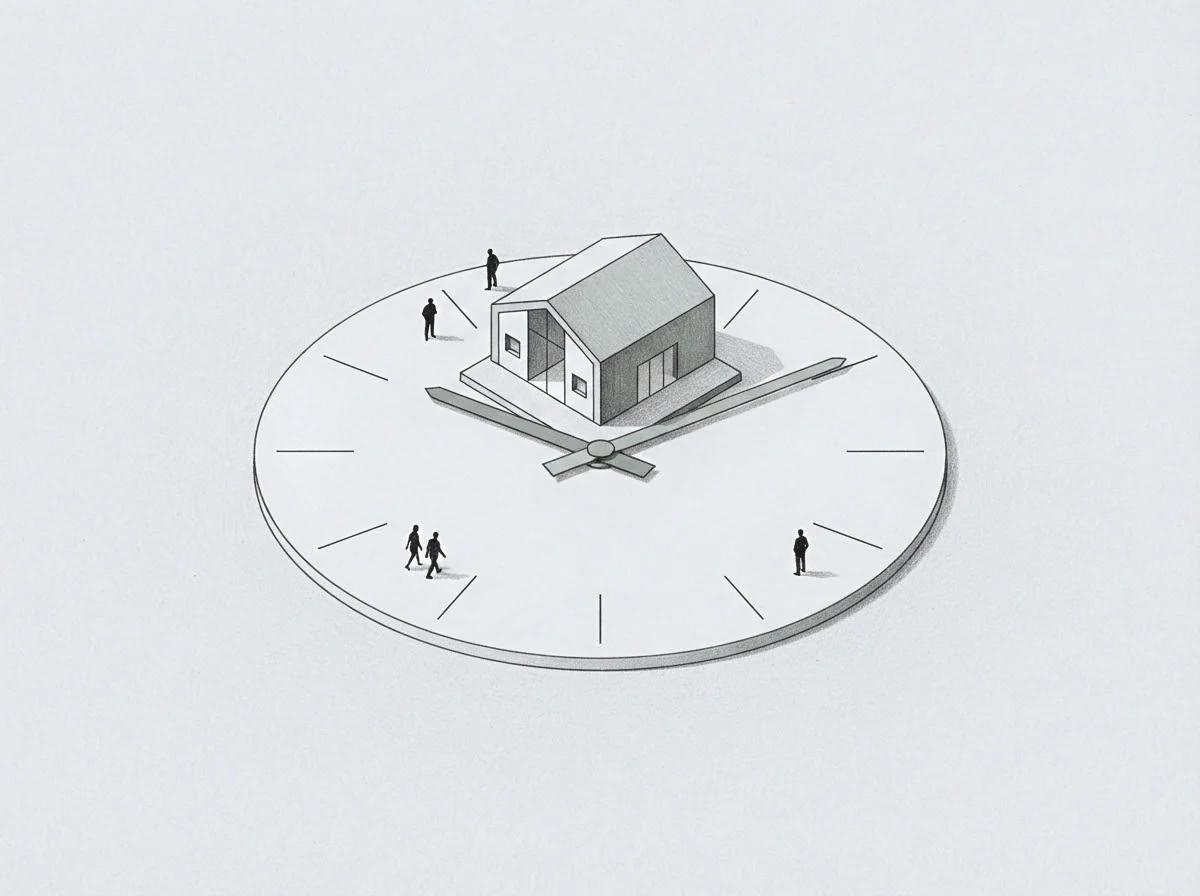
Digital sequence verification techniques establish the exact time and date a record was created or modified. Applying timestamping to files ensures their place in a temporal sequence of events. This process uses atomic clocks or trusted network time servers to embed secure time records into data files.
It prevents retroactively altering the order of events or claiming that an action occurred earlier than it did.
Temporal Sequencing
Ordered events are necessary for resolving disputes about priority and ownership of intellectual property. When a company uses timestamping, it builds a solid timeline of invention or agreement. These chronological points establish who acted first without relying on personal memory.
Having this indisputable sequence is useful during audit procedures.
Sequence Verification
Tamper-proof methods prevent unauthorized changes to the timing of recorded actions. Modern timestamping utilizes cryptographic hashing to link the time record to the file content, ensuring that any subsequent modification of either the time or the data is immediately visible. This connection makes it impossible to backdate agreements or alter transaction times without detection.
It secures the historical integrity of organizational databases.
Processing Cost
System resources must be allocated to handle frequent time-stamping requests across busy networks. Implementations of timestamping require continuous server synchronization to avoid drift. This maintenance involves a small but constant allocation of administrative hours.