Meaning
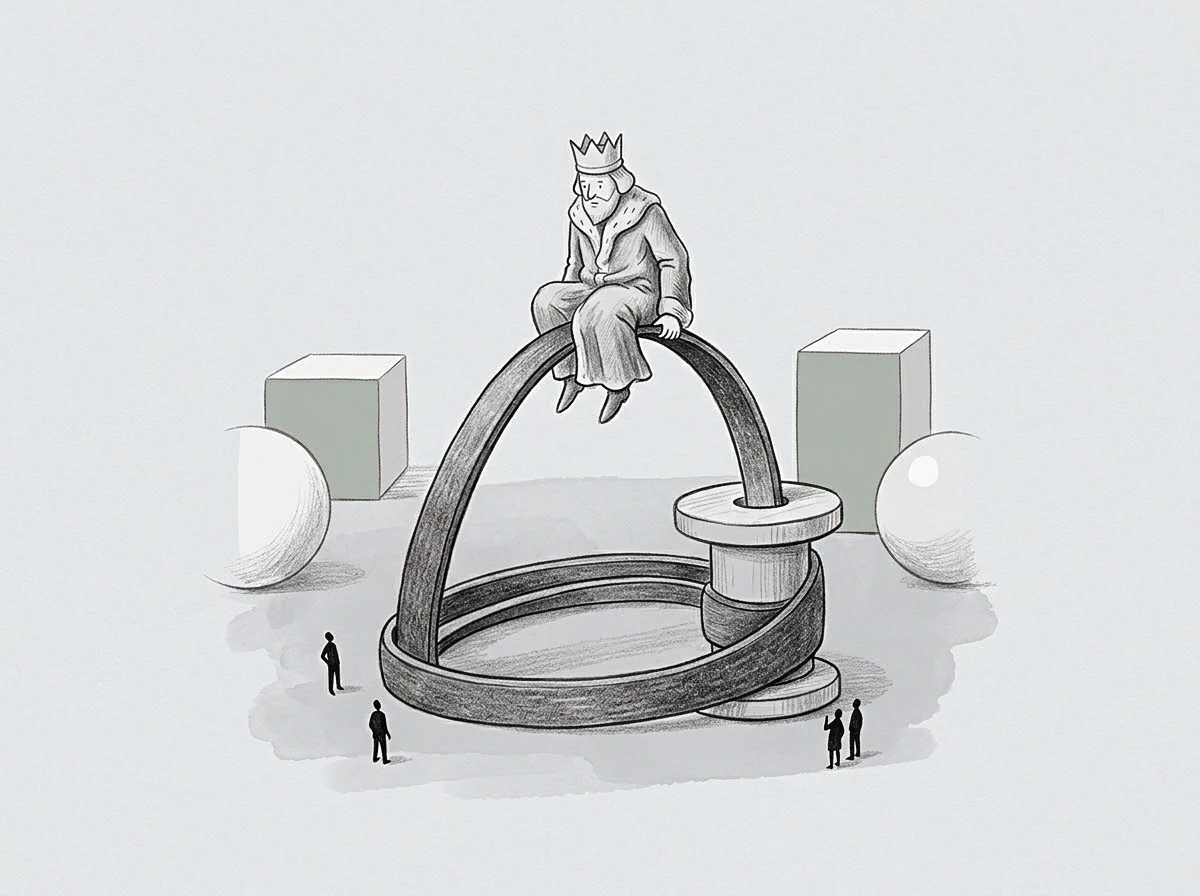
Corporate actions that exceed the scope of powers granted by a company’s articles of incorporation or by governing legislation are legally unauthorized. In corporate history, ultra vires acts were historically void and unenforceable, though modern statutes often protect third parties who transact in good faith. These actions can be challenged by shareholders or state regulators seeking to enforce corporate boundaries.
They expose directors to personal liability for any financial losses that occur.
Legal Limitation
Corporate power must remain within written boundaries.
Transaction Security
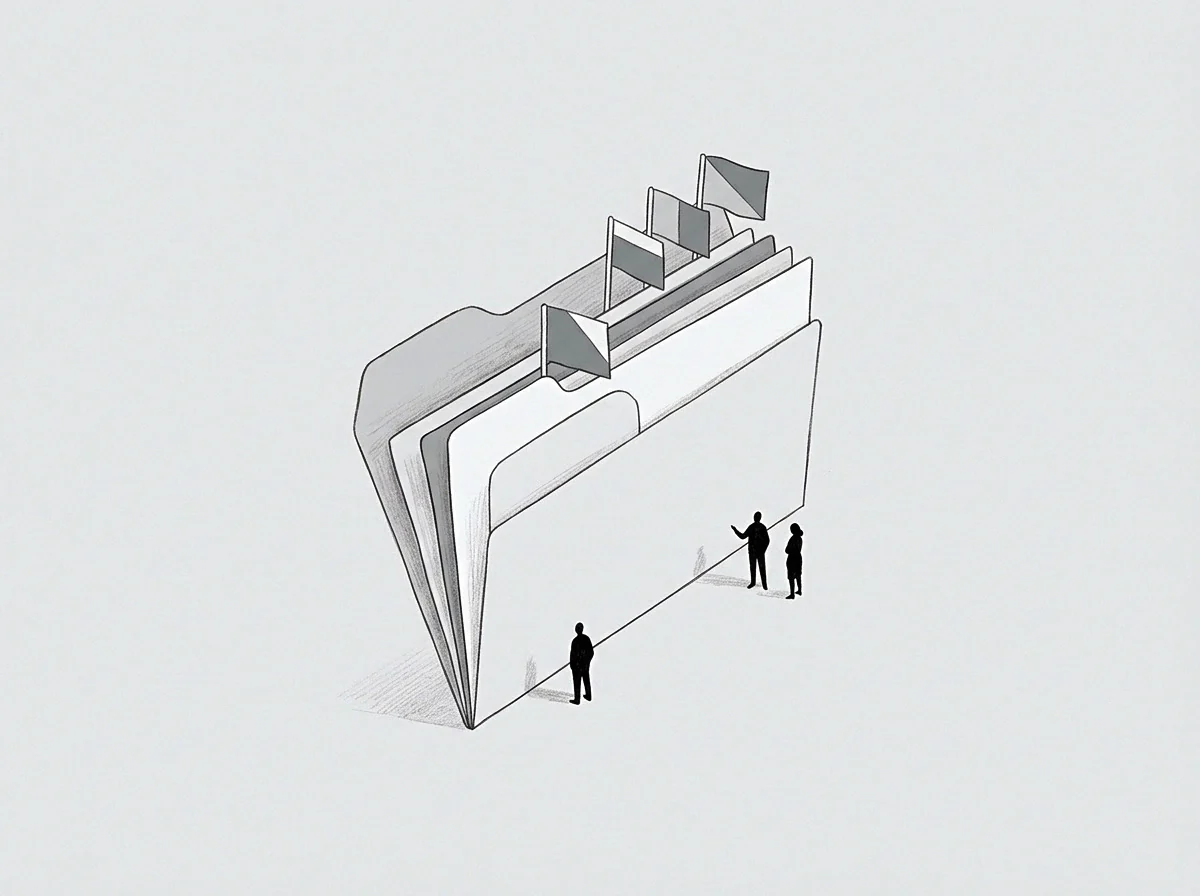
Third parties often request copies of corporate charter documents to verify that a proposed transaction is authorized. If the corporation engages in ultra vires acts, the transaction can be voided under certain jurisdictions, causing financial loss for the counterparty. Although modern laws have reduced this risk, keeping accurate bylaws and charters remains an effective way to avoid these legal complications.
This diligence protects both the corporation and its trading partners.
Executive Liability
Board members who authorize unauthorized activities can be held personally liable for damages. When shareholders discover that directors have allowed actions beyond the corporate purpose, they can file a legal challenge to stop the activity. Documenting the authorization of all major transactions ensures that board members remain within their legal boundaries.
This record-keeping acts as a safeguard against liability claims.