Meaning
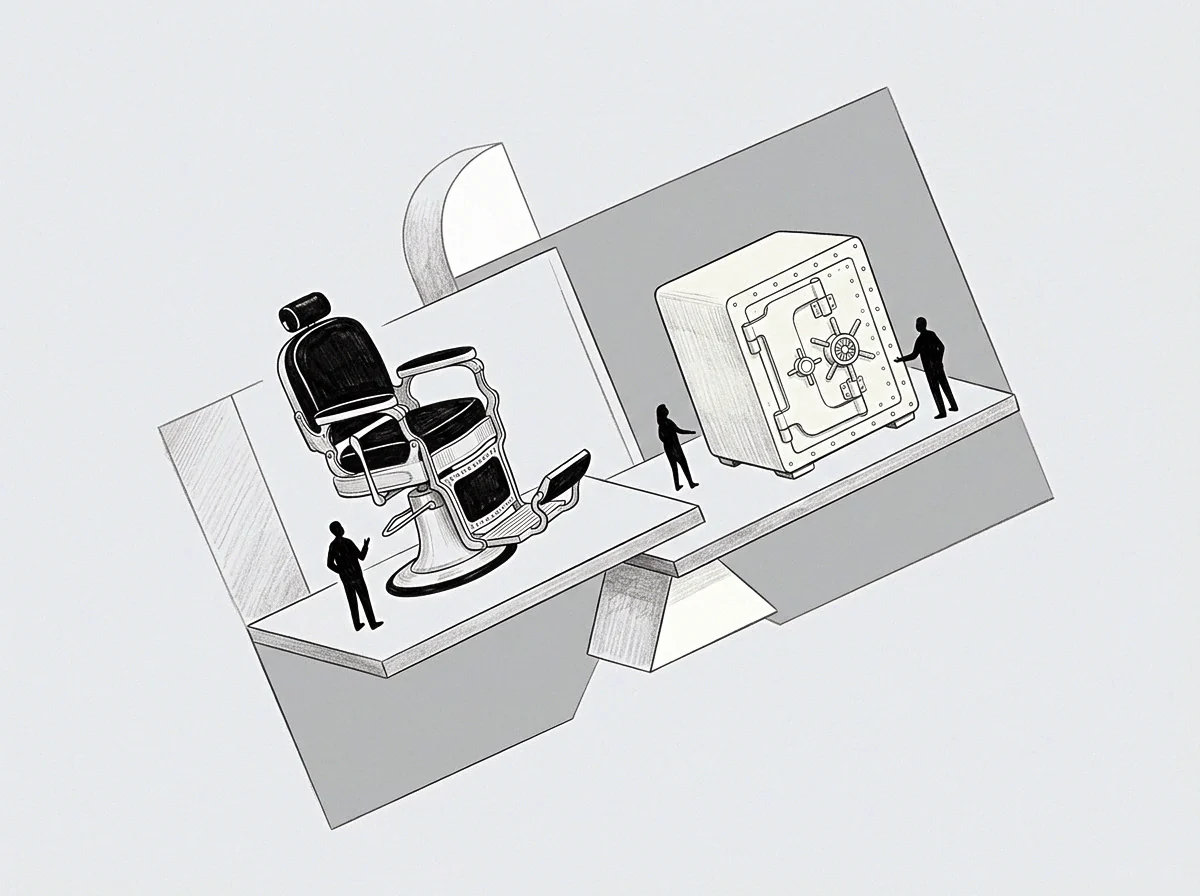
An unallocated equity reserve is a corporate treasury holding of authorized unissued shares withheld from initial capitalization distributions to satisfy future stakeholder claims without altering existing ownership percentages. Founders establish this pool during corporate formation by retaining a specific block of shares outside the primary distribution schedules assigned to early participants. This reserve operates as a structural buffer against dilution when subsequent service providers, strategic partners, or capital contributors join the enterprise after incorporation.
Operating boundaries require that the reserve remains strictly within authorised capital limits established in the corporate charter, preventing directors from issuing shares beyond statutory maximums without shareholder consent.
Dilution Defense
Managing future ownership dilution requires a deliberate allocation mechanism that protects early contributors from unintended percentage erosion. Unallocated equity reserve units absorb incoming share demands by drawing from the pre-set pool instead of diluting existing holdings proportionately. Founders calculate the required size of this reserve by projecting headcount expansion and advisory commitments over a multi-year horizon following establishment.
When an incoming contributor receives shares from this reserve, the transaction triggers an immediate adjustment in total outstanding share counts while leaving primary founder percentages untouched. Insufficient reserve sizing forces subsequent equity grants to come from newly created shares, which automatically reduces the proportional stake held by every prior participant.
Claim Verification
Establishing the validity of any future claim against the reserve demands a documented paper trail connecting the issuance directly to specific performance milestones or contractual agreements. Founders maintain a cap table ledger that logs every movement out of the reserve alongside the corresponding authorization record and date of transfer. Unsubstantiated claims lack the necessary board approval signatures and shareholder resolutions required to execute a valid transfer from the pool back into active circulation.
Auditors inspect these records during subsequent financing rounds to confirm that historical grants match the original pool boundaries defined at incorporation. Discrepancies between recorded share counts and actual certificate issuances create severe valuation friction during due diligence reviews because missing documentation undermines the credibility of the entire corporate structure.
Resolution Cost
Retaining an oversized reserve imposes a hidden capacity penalty on the company by locking up authorized shares that could otherwise serve as immediate capitalization incentives. Founders expend significant hours negotiating reserve sizes with early investors who prefer smaller pools to maximize their immediate ownership certainty. Decreasing an existing reserve requires formal charter amendments, legal counsel fees, and voting thresholds that consume administrative hours and divert attention from core operational execution.
Conversely, maintaining an undersized reserve forces emergency board meetings and dilutive recapitalization events whenever an unexpected strategic hire demands immediate equity compensation. This structural tension defines the core economic trade off inherent in post-incorporation share management.