Meaning
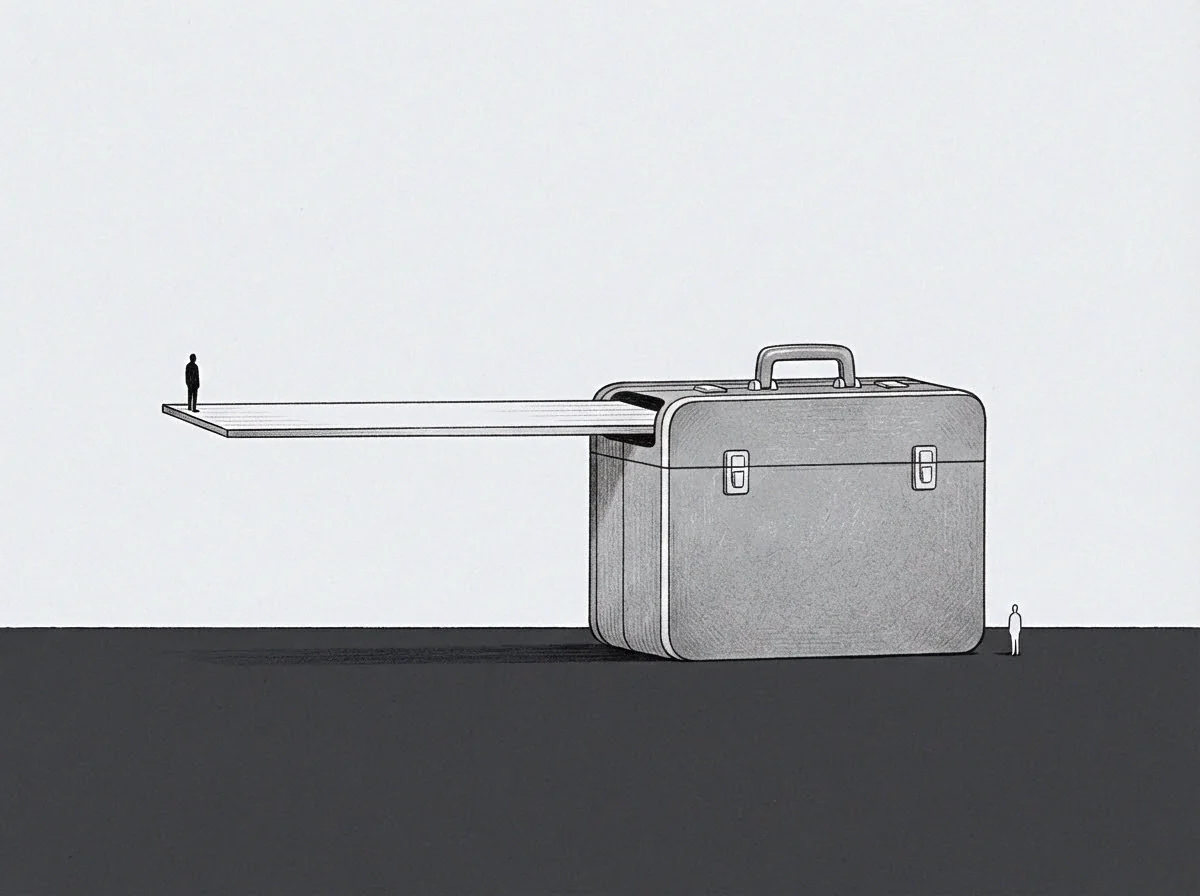
Error made by only one party to a contract regarding its terms or subject matter does not generally affect the validity of the agreement. A unilateral mistake only leads to rectification if the other party was aware of the error and chose to exploit it. In such cases, the court will adjust the contract to protect the mistaken party, preventing the other side from taking unfair advantage of a known mistake.
This prevents the contract from being used as an instrument of deception.
Knowledge Element
For the court to act, the non-mistaken party must have known about the error at the time of signing. If both parties were unaware of the mistake, it is treated differently. This distinction is critical because it determines whether the court will intervene.
Rectification Standard
The standard for proving this state of mind is extremely demanding. The mistaken party must show that the other side had actual knowledge of the mistake, not just that they should have known. This prevents parties from using their own carelessness to escape a binding agreement.
Commercial Protection
To protect transactions, the law prefers to enforce the written contract as signed. Courts will only step in when silence would be dishonest, which keeps most transactions secure. This approach ensures that businesses can rely on signed agreements unless there is clear proof of dishonesty.