Meaning
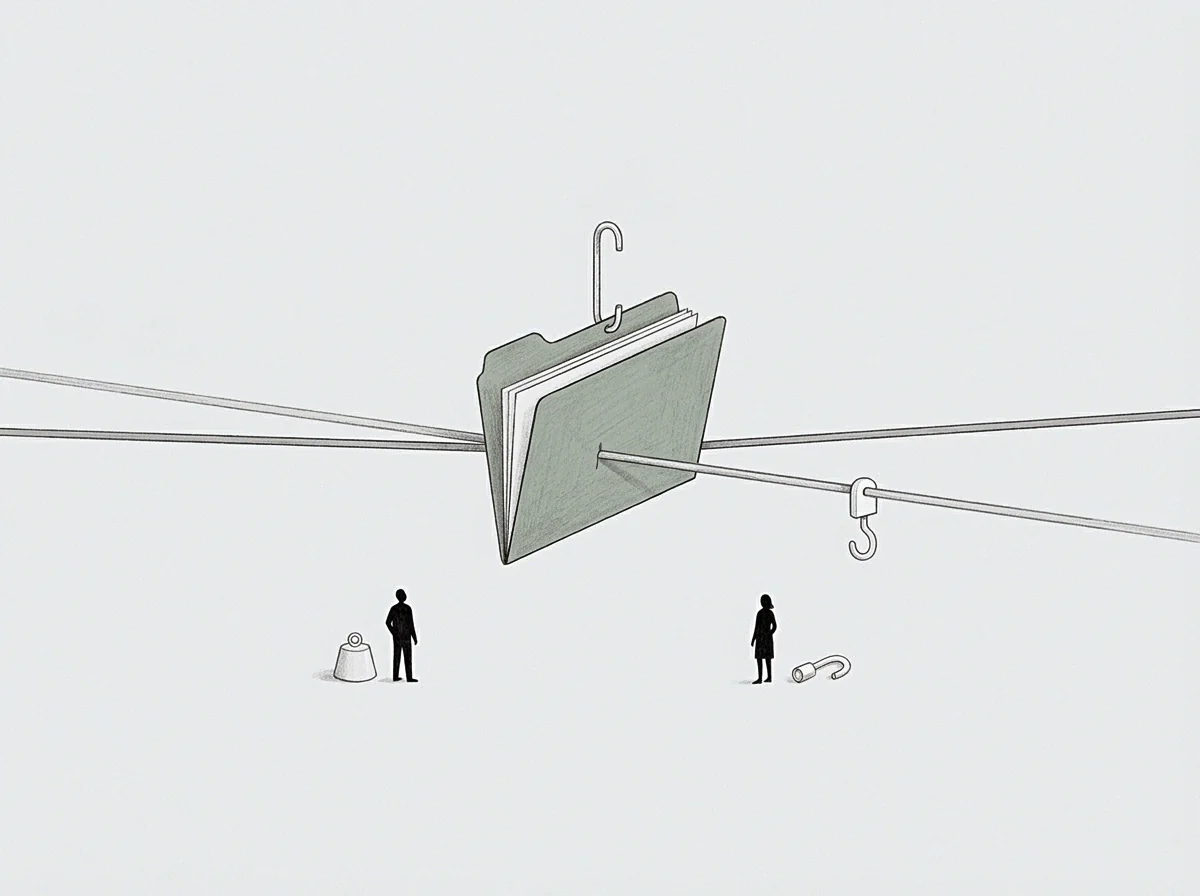
Defensive responses used to prevent a party from profiting at the expense of another in a way that is without legal justification define this concept. An unjust enrichment defense is often used when a founder is sued for taking back assets they believe are theirs. The defense argues that the other party would be getting a windfall they did not earn if the court rules in their favor.
This defense is a fallback option when there is no written contract to decide the matter.
Equitable Standard
Courts look for a benefit received and an expense incurred by the other side. The unjust enrichment defense requires the defendant to prove that they provided something of value that the plaintiff is now trying to keep for free. It is not about a person being mean, but about the math of the transaction being fundamentally broken.
If a founder used their own money to buy the company’s first servers, and the company now refuses to pay them back, the founder uses this defense to keep the servers. This stops the company from getting a free asset at the founder’s personal expense.
Restitution Remedy
Judges have the power to move assets or money to fix the imbalance discovered during the trial. The unjust enrichment defense results in a restitution order, which differs from a standard damage payment. This means the court tries to put the parties back where they were before the unfair gain happened.
It is a powerful tool in the absence of a signed agreement. However, it cannot be used if a valid contract already covers the specific issue in dispute. This limitation preserves the finality of written agreements.
Outcome Measure
Success in this defense is measured by the return of the specific asset or the payment of its fair market value. An unjust enrichment defense ensures that the final division of property is based on what was actually contributed and is not determined by who has the better lawyer.