Meaning
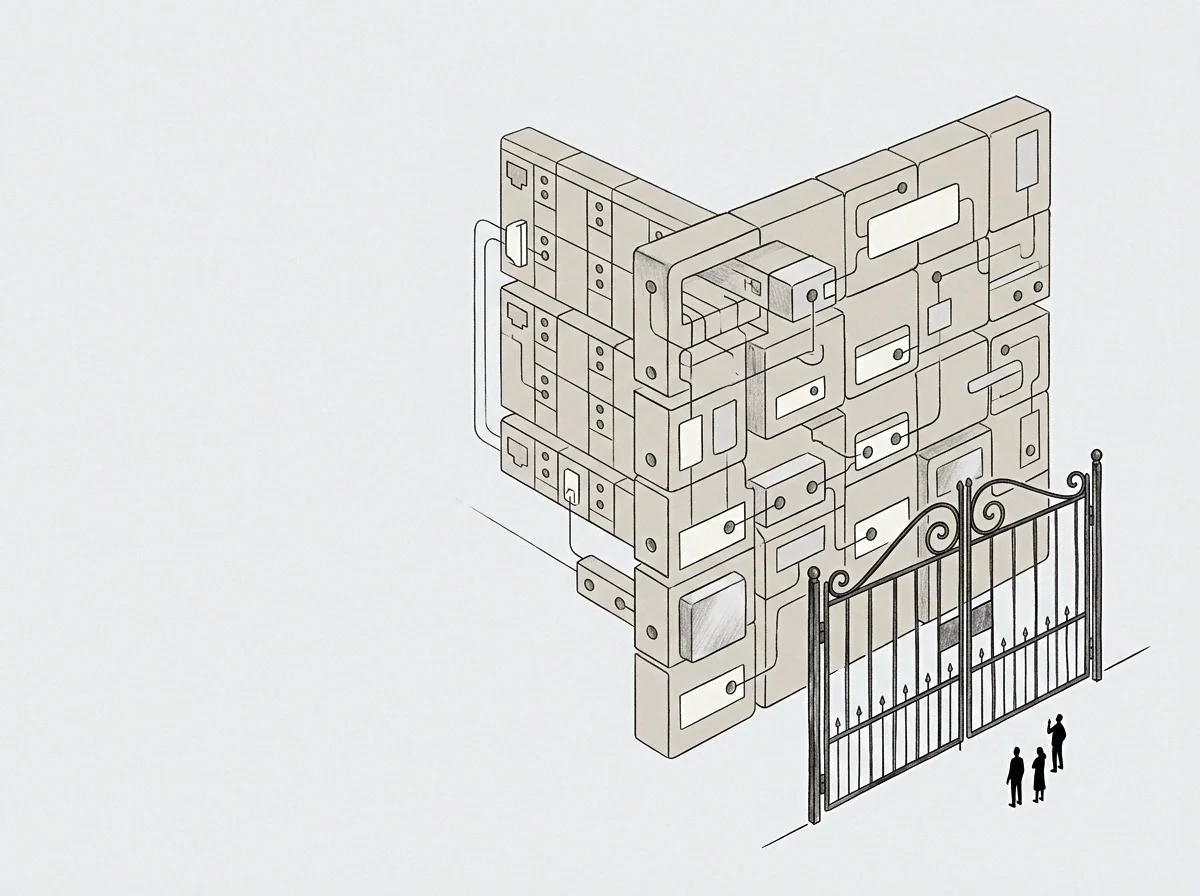
Undocumented software connections and technical integrations link disparate operating systems without formal architectural records. Discovering unmapped system dependencies reveals hidden software libraries or manual database scripts essential for daily operations. These untracked connections surface when core platforms are migrated or divested post-acquisition.
Technical teams must audit data flows to identify implicit operational reliance before software infrastructure is altered or decommissioned.
Operational Vulnerability
System outages occur when legacy services are modified without full architectural diagrams. Presence of unmapped system dependencies increases operational risk during technical migrations or corporate split-offs. Disconnecting an apparently isolated database can halt billing or customer authentication unexpectedly.
Architectural audits catalog software relationships before system changes occur.
Remediation Effort
Engineering teams spend technical capacity identifying legacy code paths. Resolving unmapped system dependencies requires code refactoring, infrastructure mapping, and testing. Developers dedicate working hours to tracking undocumented legacy code.
Delaying technical mapping increases post-transaction system failures.
Technical Boundary
Static code analysis maps automated data pipelines without revealing human workaround habits. While identifying unmapped system dependencies clarifies software interactions, it fails to record manual data transfers executed by operational staff via spreadsheets. Human workarounds remain outside automated discovery tools.
Technical mapping terminates where manual operational practices begin.