Meaning
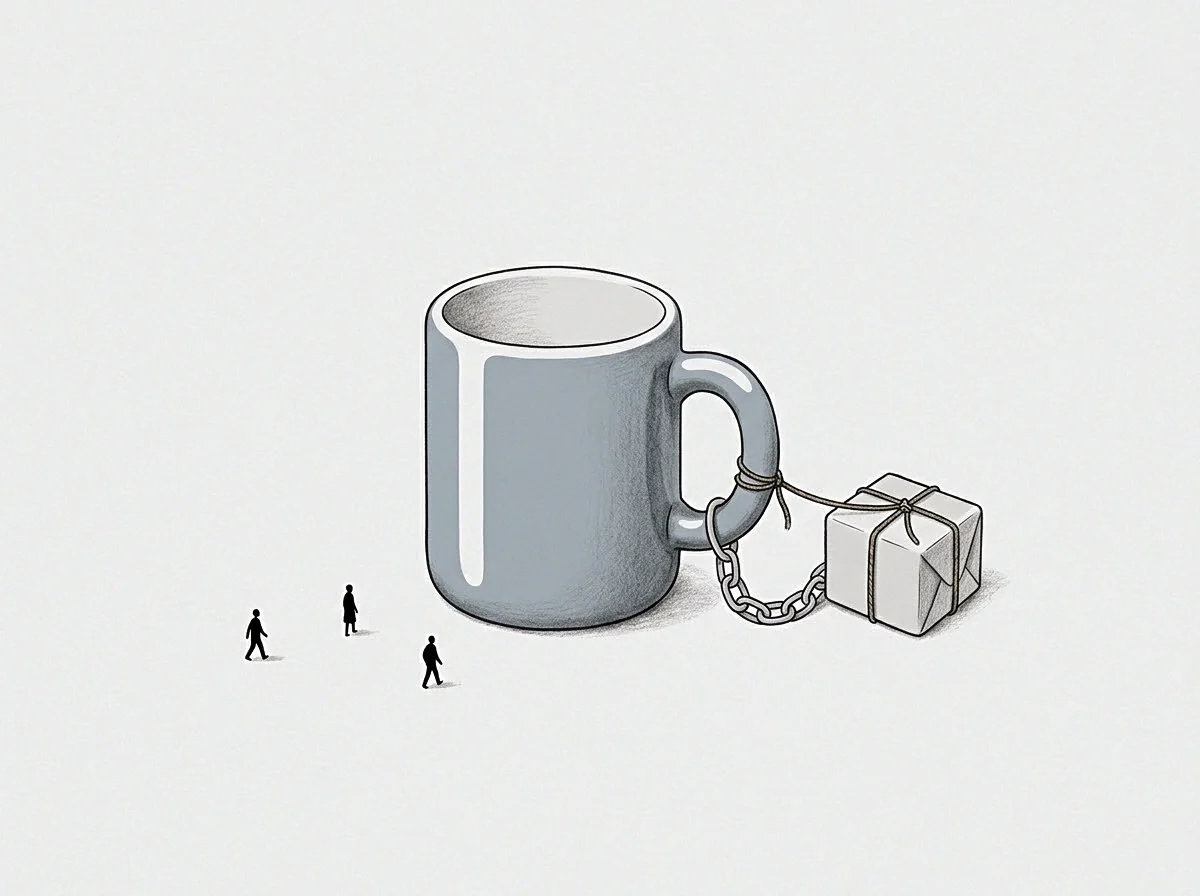
Spoken agreements represent handshake deals that have not been written down. A verbal commitment occurs when founders or partners agree to share equity or divide future profits without a formal contract. This form of agreement depends entirely on the memory and honesty of the participants.
It remains highly vulnerable to changing circumstances.
Oral Agreement
Informal setups are common in the early days of a project when trust is high and formal processes seem like a distraction. A founder might make a verbal commitment to an early collaborator, promising them a significant equity stake once the company is incorporated. While these promises feel binding at the moment, they are difficult to maintain as the organization expands and new stakeholders arrive.
Proof Shortfall
Demonstrating the existence of an oral contract is a major hurdle in any formal dispute. Without written records, a verbal commitment is reduced to one person’s word against another’s. To build a case, the claimant must gather indirect evidence such as witness statements or text messages.
This process is time-consuming and rarely produces a clear, legally enforceable result.
Execution Risk
Failing to document these arrangements can cause deep division among early team members. When a verbal commitment is not honored, it can lead to key personnel leaving the startup. This risk makes written documentation necessary from the very beginning of any business partnership.