
Enforceability Limits of Post Dissolution Sweat Equity Restitution Claims Against Distributed Liquidating Dividends
Post-dissolution sweat equity restitution against distributed liquidating dividends fails when statutory claim bars expire and commingling defeats tracing.

Labor
An unwritten promise of equity leaves an unrecorded debt when an enterprise terminates. Two associates spend thirty-six months constructing software under an informal understanding of parity. One person commits sixty hours weekly in an engineering seat without drawing salary; the other brings an initial cash infusion, issues one hundred percent of the shares to their own holding entity, and controls the corporate treasury.
At dissolution, following the sale of intellectual property to a third-party purchaser, the cash balance converts into a final distribution. The share register records only the financing partner, who wires the remaining capital to personal accounts as a liquidating dividend. The contributor who supplied the software receives an email stating the venture dissolved without common shareholder value for unvested participants.
The gap between the two accounts opens at this exact point of terminal calculation. For the financing partner, the uncompensated contribution was gratuitous venture effort, risked voluntarily against the contingent possibility of future value that never matured. For the contributor, that uncompensated output was an investment of actual value that enriched the corporate shell, creating the specific asset acquired by the buyer.
Uncompensated sweat equity lacking a written compensation schedule functions in corporate dissolution as an implied gift unless express agreement proves a creditor status.

The Divergence in Enterprise Memory
Memory reconstructs past arrangements to match immediate financial outcomes. During the building phase, verbal commitments remain ambiguous because ambiguity avoids confrontation. One contributor hears an assurance that everyone shares equally in terminal liquidity.
The registered owner remembers only an invitation to earn formal equity upon achieving specific financing thresholds. When the venture terminates and distributions occur, each party refers to an unwritten contract that never existed in verifiable form.
The delta between accounts measures three years of unpaid engineering labor. The registered owner views the company bank balance as legitimate property of recorded stock. The contributing builder views that same balance as unearned enrichment funded directly by unpaid work.
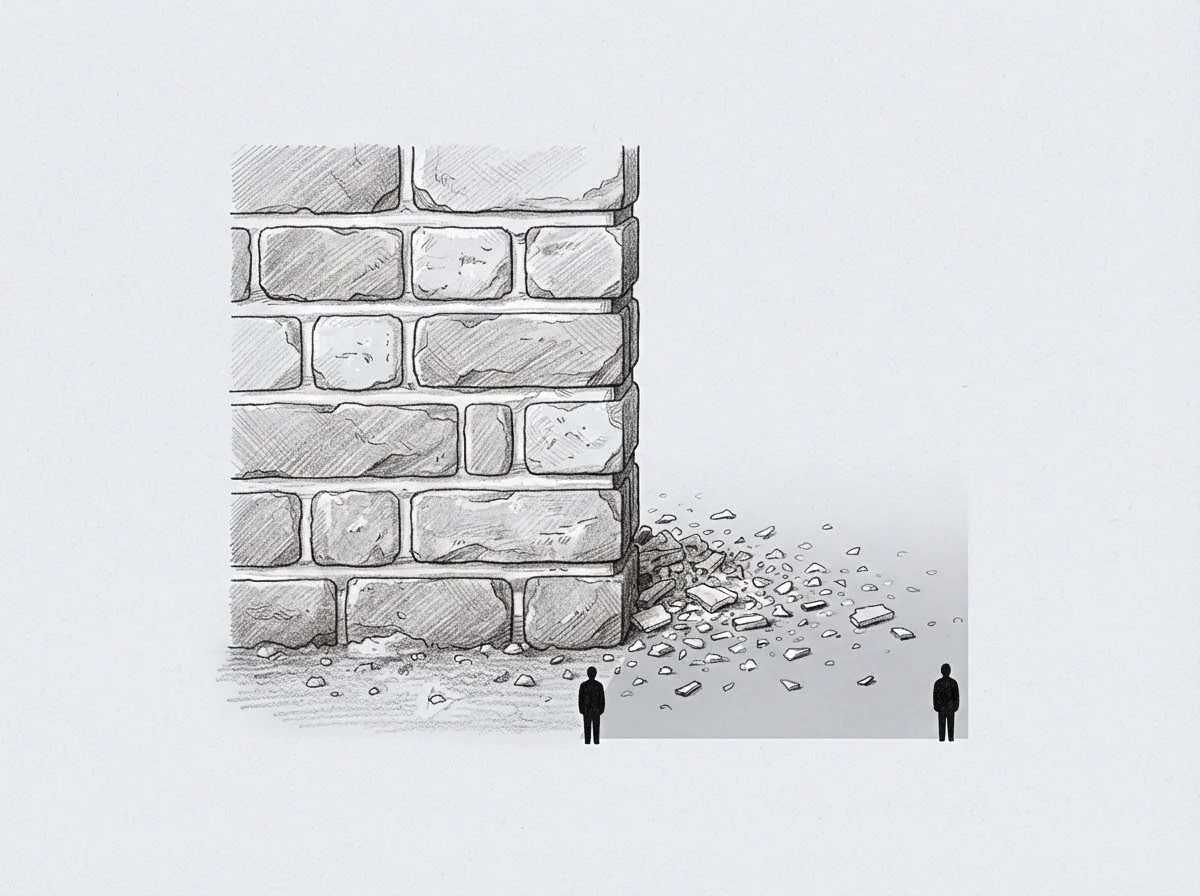
Restitution Under Corporate Dissolution
Restitution claims in equity seek disgorgement of benefits retained without fair exchange. When a company dissolves under formal statutory mechanisms, equitable claims for unjust enrichment encounter rigid structural barriers. Equity jurisprudence establishes that quantum meruit requires an objective expectation of compensation at the time services were performed.
Where an individual performs services under an expectation of equity ownership alone, corporate failure transforms that expectation into an unrecoverable business loss.
The venture ended in complete liquidation, all participants sacrificed uncompensated hours, and the formal distribution reflected legal ownership.
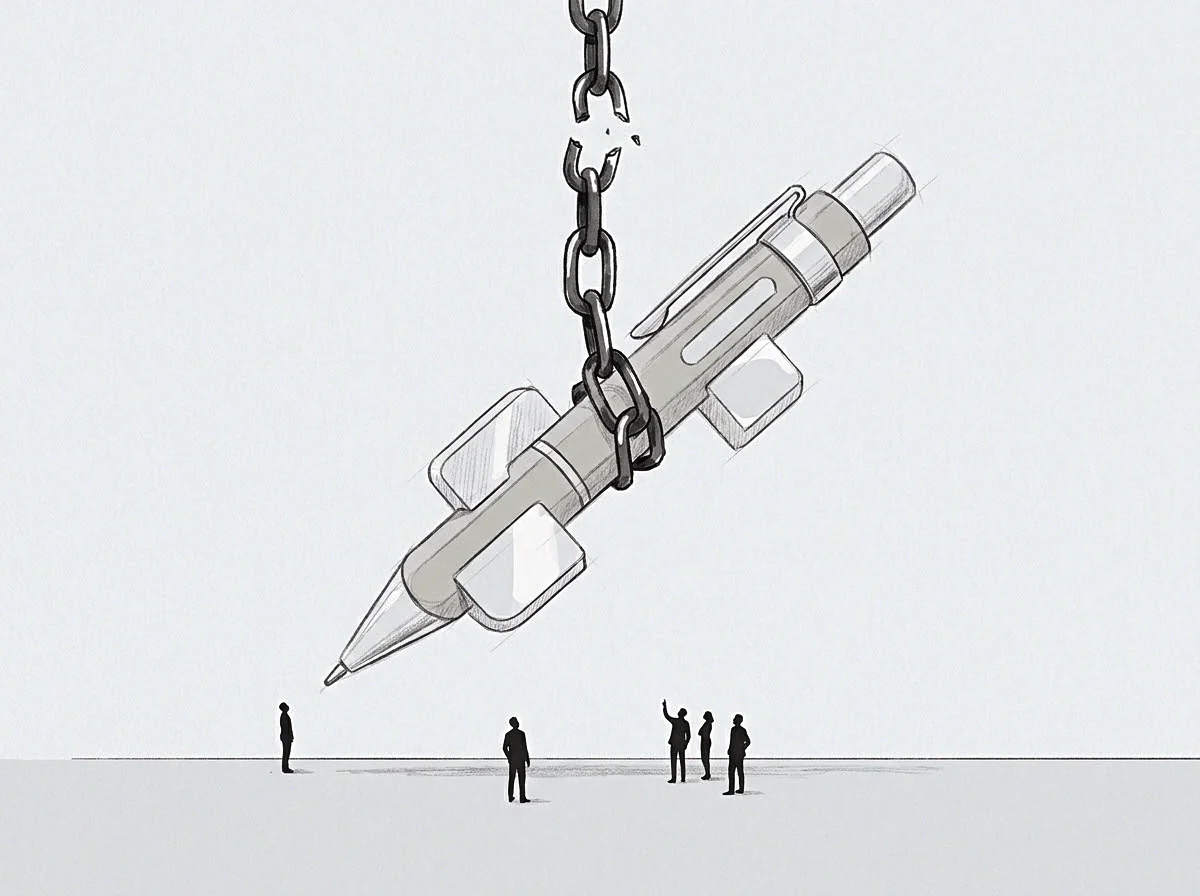
Dividend
Terminal enterprise distributions follow statutory priority rather than moral claims of effort. When corporate liquidators execute a winding up, corporate statutes establish a sequential distribution pattern. Trade debts, verified tax obligations, and formal contractual liabilities must receive complete settlement before any capital passes to equity holders.
Liquidating distributions represent the residue left behind once recognized balance-sheet liabilities disappear.
Holders of unformalized sweat equity claims do not appear on corporate balances. They hold neither a recorded promissory note nor an executed stock certificate. Consequently, liquidators distribute the net treasury balance directly to registered stockholders of record.
The uncompensated builder discovers the corporate bank accounts drained to zero balances through legitimate statutory authorization.

Statutory Classification of Contributed Effort
Corporate statutes in leading commercial jurisdictions separate corporate participants into clear categories. Creditors hold enforceable legal rights to payment backed by contract or statutory directive. Stockholders hold residual claims contingent on solvent dissolution.
Sweat equity contributors who lack employment contracts or executed equity agreements fall into an evidentiary void. They assert creditor status after the entity ceases active operations, seeking to reclassify unpaid services as an accrued corporate debt.
Commercial tribunals evaluate this reclassification through contemporaneous documentation. The presence of regular payroll filings, formal board resolutions, or written debt acknowledgments establishes legitimate creditor rights. The absence of these documents creates an evidentiary presumption that services were performed speculatively.
Speculative performance carries no guaranteed return under equity restitution doctrines.
The delta represents complete economic non-recognition. The registered stockholder pockets distributed cash as rightful capital return.
Restitution remedies cannot convert an unripened expectation of founder equity into a preferred creditor obligation after formal corporate winding.
An express contractual milestone clause defining uncompensated hours as a subordinated deferred liability transforms an ungrounded restitution claim into an enforceable creditor right against distributive liquidations.

Vault
Cash transferred from a corporate account into private wealth repositories alters the restitution landscape entirely. Once liquidating dividends settle into personal shareholder accounts, the claimant loses direct remedies against the corporate body. The action shifts from a claim against an enterprise to a clawback action against individual recipients.
At this juncture, the law of restitution imposes stringent asset tracing requirements.
The claimant seeking disgorgement of distributed funds faces the bona fide payee defense and the dissipation barrier. When a shareholder receives distributions without formal notice of an unresolved claim, funds commingle with existing personal balances. In mechanical terms akin to hydraulic systems, once fluid leaves an isolated pressure chamber and disperses into an open reservoir, tracking specific molecular input becomes impossible without artificial tracer elements.

Tracing Constraints in Post Dissolution Recovery
Disgorgement requires identifying the specific funds retained wrongfully by the recipient. Under the Restatement Third of Restitution and Unjust Enrichment, where a recipient commingles distributions with general funds and spends those balances on ordinary living expenses, the claim against the specific property dissolves. The claimant is left with an unsecured personal claim against the recipient, which requires establishing bad faith or fraudulent conveyance.
The table below compares the legal posture of traditional corporate obligations against unformalized sweat equity restitution claims when pursuing distributed terminal capital.
| Claimant Classification | Obligation Basis | Statutory Priority | Tracing Necessity | Post-Dissolution Survivability |
|---|---|---|---|---|
| Trade Creditor | Written commercial invoice | Senior debt | Low: statutory clawback applies directly | Preserved through corporate non-claim window |
| W-2 Employee | Statutory wage mandate | Preferred administrative priority | None: direct personal director liability attaches | Protected under state labor statutes |
| Convertible Noteholder | Debt instrument with interest | Senior to common equity | Moderate: governed by loan covenants | Survives as unpaid corporate debt |
| Sweat Equity Claimant | Implied contract or quantum meruit | Unranked: disputed residual equity | Absolute: strict identification of distributed cash | Extinguished absent timely pre-dissolution filing |
Tracing fails whenever cash converts into consumption or debt satisfaction. The recipient who uses dividends to pay down personal mortgages or settle pre-existing liabilities insulates those funds from equitable liens. Sweat equity contributors rarely maintain the financial liquidity required to fund complex forensic accounting actions against dispersed individuals.
Equitable liens dissolve the moment distributed cash commingles beyond forensic identification.

Bar
Statutory survival periods close corporate affairs permanently. Commercial codes in Delaware, New York, and model business jurisdictions establish strict timelines for presenting claims against dissolved corporate entities. These non-claim provisions require the dissolving entity to publish notice and directly notify known potential claimants.
If a claimant fails to present a verified claim within the prescribed statutory window, typically running from ninety days to three years depending on jurisdiction, the right of action terminates.
The law intentionally sacrifices unrecorded claims to achieve commercial finality. Once the statutory bar falls, shareholders who received liquidating distributions enjoy immunity from derivative liability for unasserted corporate obligations. The uncompensated contributor who waits to file until distributions conclude often encounters an absolute statutory barrier.

Do Statutory Claim Windows Extinguish Equitable Restitution?
The legal boundary between corporate statutory finality and common-law unjust enrichment remains fiercely contested. Commercial liquidation statutes state that their provisions govern every claim against dissolved entities, whether legal or equitable. Contributor claimants argue that shareholder enrichment constitutes a separate personal wrong, existing outside the corporate survival statute.
Tribunals consistently rule that statutory dissolution schemes preempt common-law claims. Allowing unwritten restitution claims to bypass corporate bar dates would undermine the predictability of capital formation. When an operator fails to assert a formal claim before the certificate of dissolution takes effect, their right to claw back distributed funds evaporates.
The following structural conditions dictate whether a sweat equity claimant can overcome a corporate bar defense:
- Formal Creditor Notification requires the corporation to send written notice to anyone holding an unliquidated claim for compensation before filing articles of dissolution.
- Fraudulent Transfer Documentation demands direct evidence that shareholders distributed assets intentionally to render the entity insolvent against a known pending liability.
- Contemporaneous Value Accounting mandates verifiable records showing that contributed labor produced measurable enterprise value exceeding any benefits received during operation.
Whether chancery tribunals should permit equitable tolling of claim bars when controlling stockholders actively concealed intellectual property liquidation remains an unsettled question across modern jurisdictions.

Clawback
Recovering distributed capital requires dismantling multiple layers of legal protection. A successful clawback of liquidating dividends demands proving that the distribution itself breached a legal duty. If the board of directors dissolved the entity following statutory standards, the distributed dividends became the lawful property of recorded shareholders.
An unjust enrichment claimant cannot establish enrichment where receipt rests upon a valid statutory entitlement.
The evidentiary burden crushes informal claims. To establish restitution against distributed funds, the builder must show that the recipient acted inequitably in receiving their own capital. If the shareholder invested genuine seed funding, equity courts view liquidating distributions as a return of capital.
Equity favors the party holding legal title when competing moral claims possess equal weight.
Distributive legal title protects capital returns against unliquidated equity expectations whenever the contributor bore the entrepreneurial risk of the collective venture.
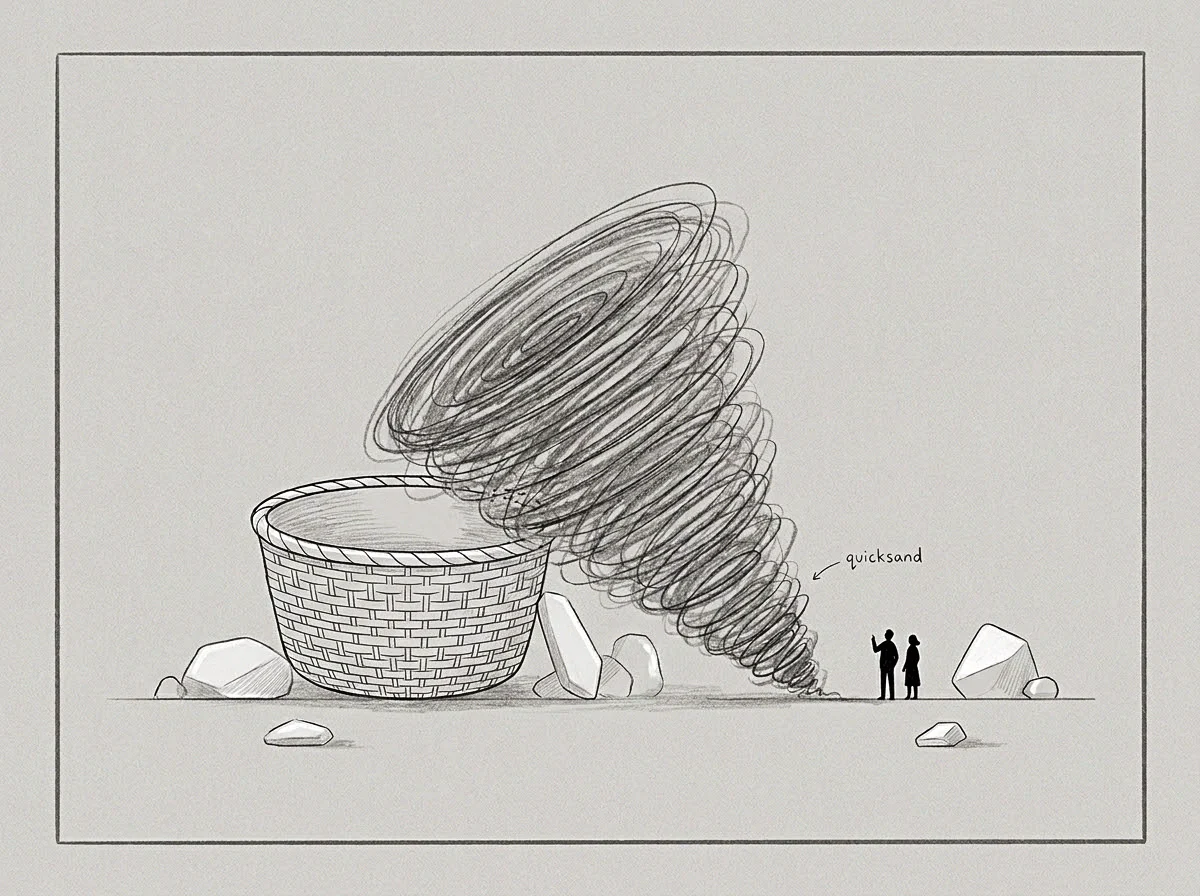
The Cost of Delayed Assertion
Waiting until after dissolution to claim sweat equity compensation guarantees failure. In research analyzing entrepreneurial contract disputes across early-stage partnerships, the presence of an unwritten contribution agreement correlates directly with zero recovery post-liquidation. The finding holds across jurisdictions that apply strict corporate dissolution codes.
If the underlying data set is expanded to include partnerships lacking formal corporate registration, equitable recovery rates rise slightly under general partnership accounting rules. Under registered corporate frameworks, formal stock ownership governs distribution unconditionally.
The claimant pays for the dispute in expended energy, legal fees, and personal exhaustion. The financing partner retains the distributed dividends, supported by corporate documentation and statutory finality. The delta between the accounts remains permanent: one party holds cash, the other holds uncompensated memory.
Initiating post-dissolution litigation without signed compensation terms depletes remaining personal capital and transfers the remaining wealth of the operator directly to defense attorneys.