Meaning
Work performed without a corresponding financial payment or a formal grant of equity is a common feature of early stage company formation. This uncompensated labor often creates an implicit claim on the future value of the business. It is a risk for both the company and the individual, as the lack of a clear agreement can lead to disputes later.
Economic Contribution
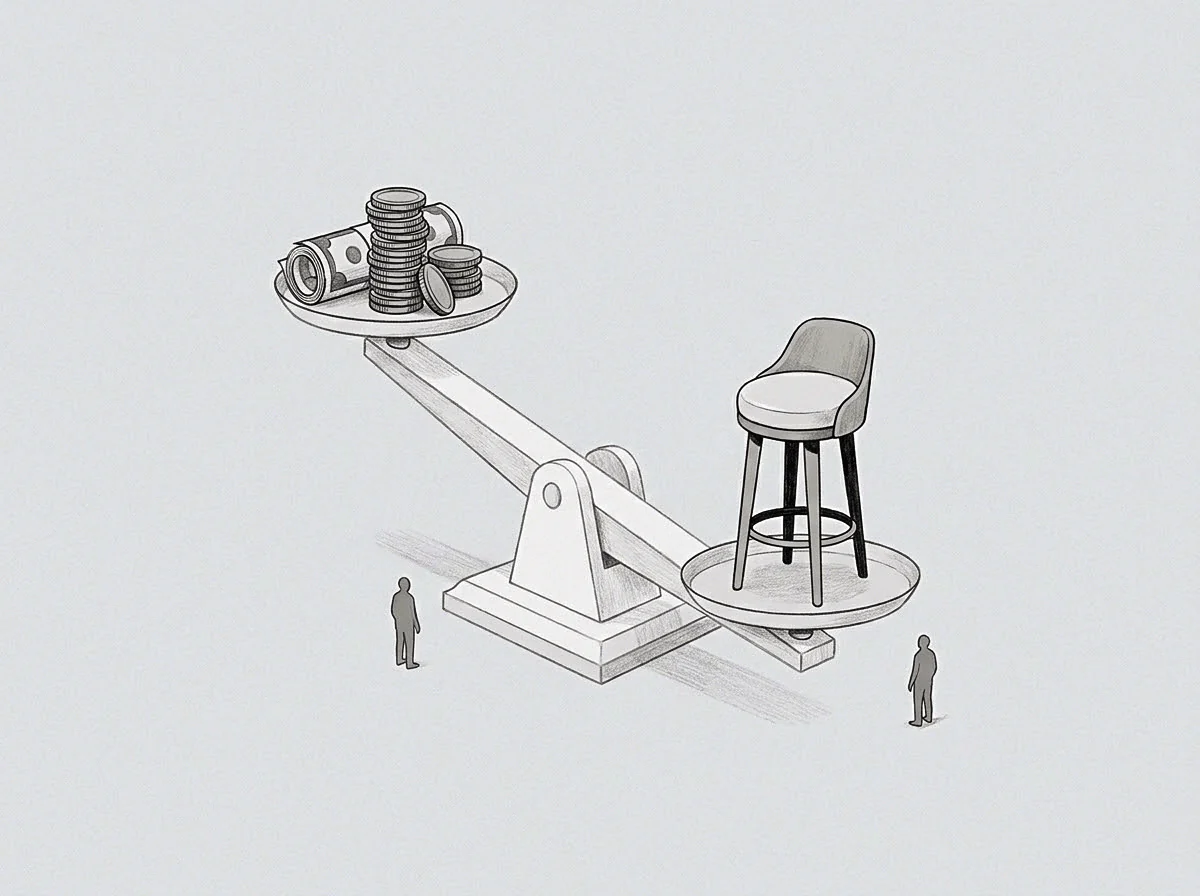
Founders and early employees often invest their time and energy into a project before it has the resources to pay them. This contribution is a form of sweat equity that is intended to be rewarded with ownership in the firm. The value of this work is difficult to measure but it remains the primary asset of a startup in its first months.
Equity Claim
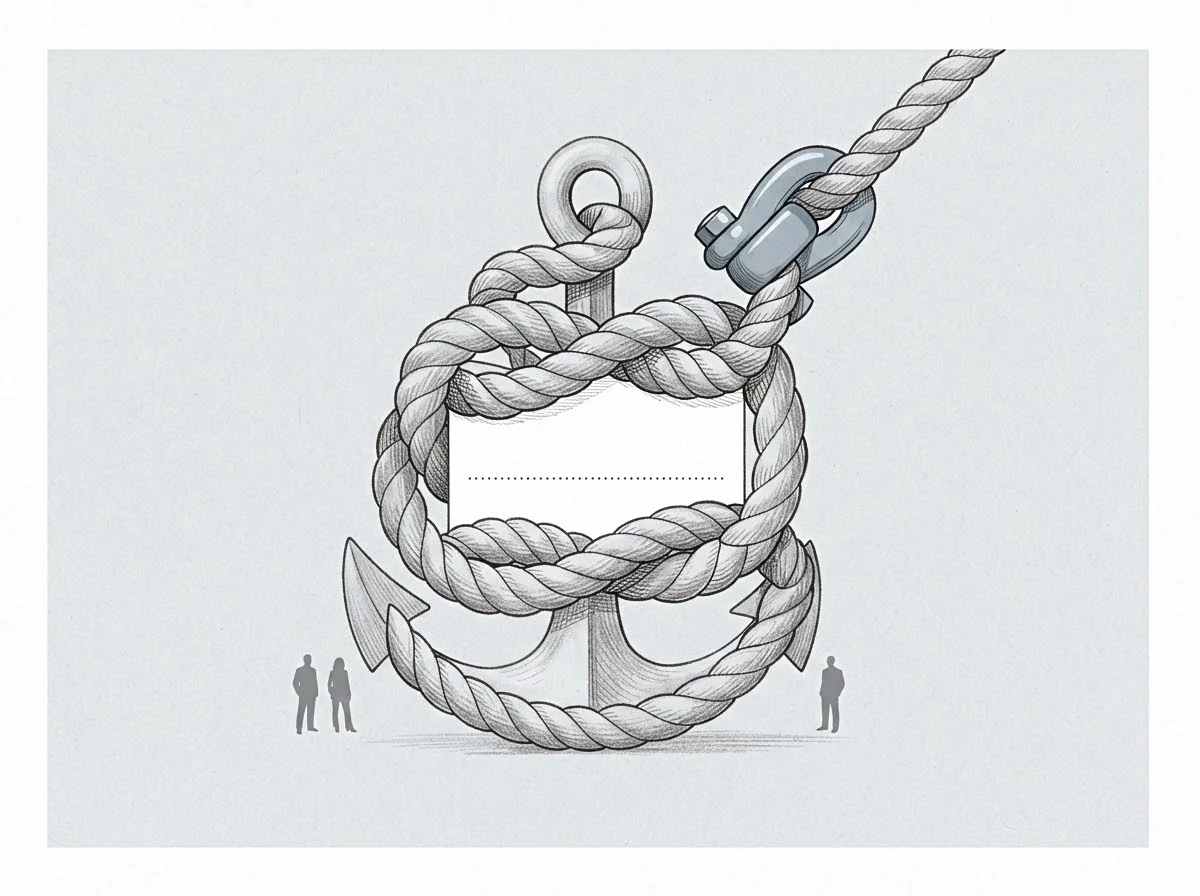
Failure to document the terms of the work can lead to a disagreement over how much ownership is owed to the individual once the company is established. When a person performs uncompensated labor, they may expect a specific percentage of the company, a board seat, a future salary or a bonus in return for their efforts. Without a written agreement, this expectation is difficult to enforce and can be challenged by other shareholders who have a different view of the value of the work or the priority of the claim.
This lack of documentation often results in a situation where the founder’s contribution is undervalued by later investors who only see the formal cap table.
Legal Liability
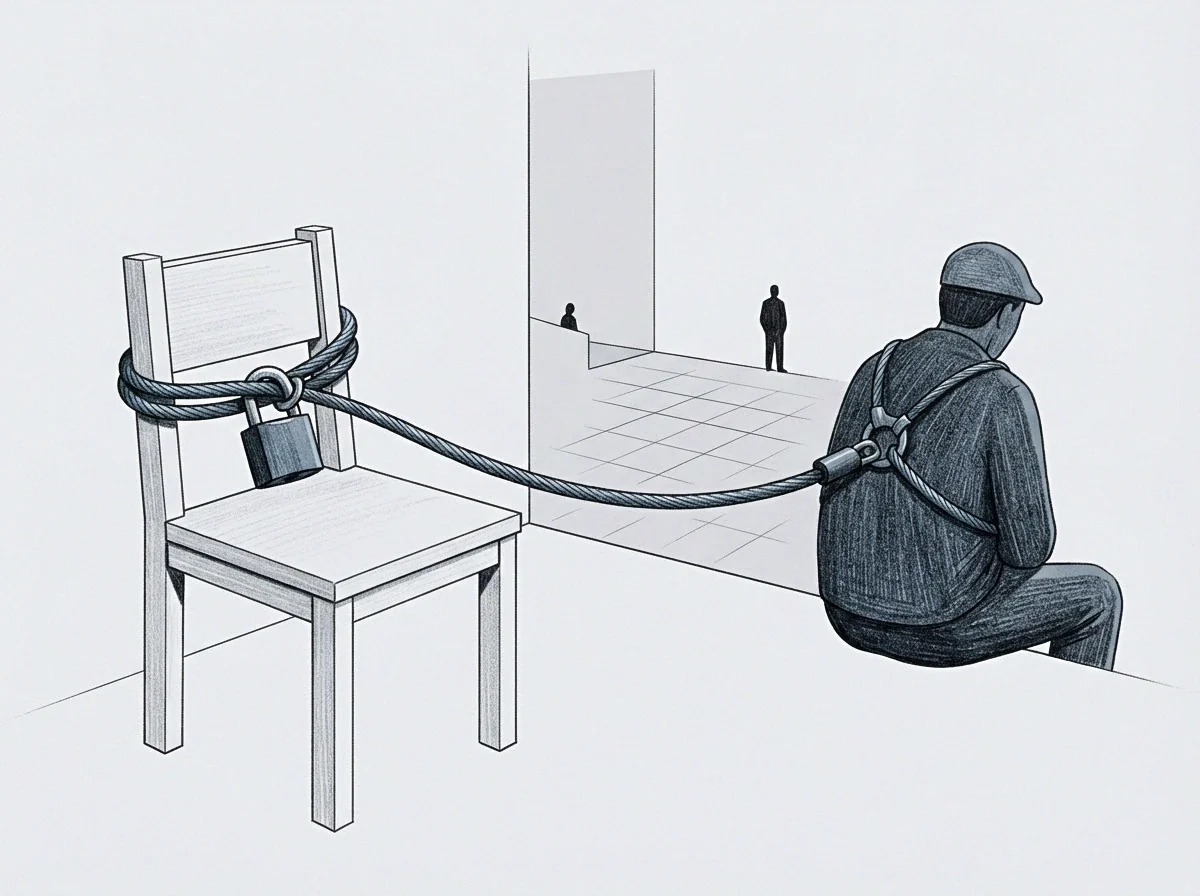
The cost of relying on unpaid work is a potential claim for back wages or a share of the company’s assets. A company that does not have clear contracts for its early team members is vulnerable to legal actions if the relationship breaks down. The work remains a debt that must eventually be resolved, either through a formal equity grant or a cash payment.