Meaning
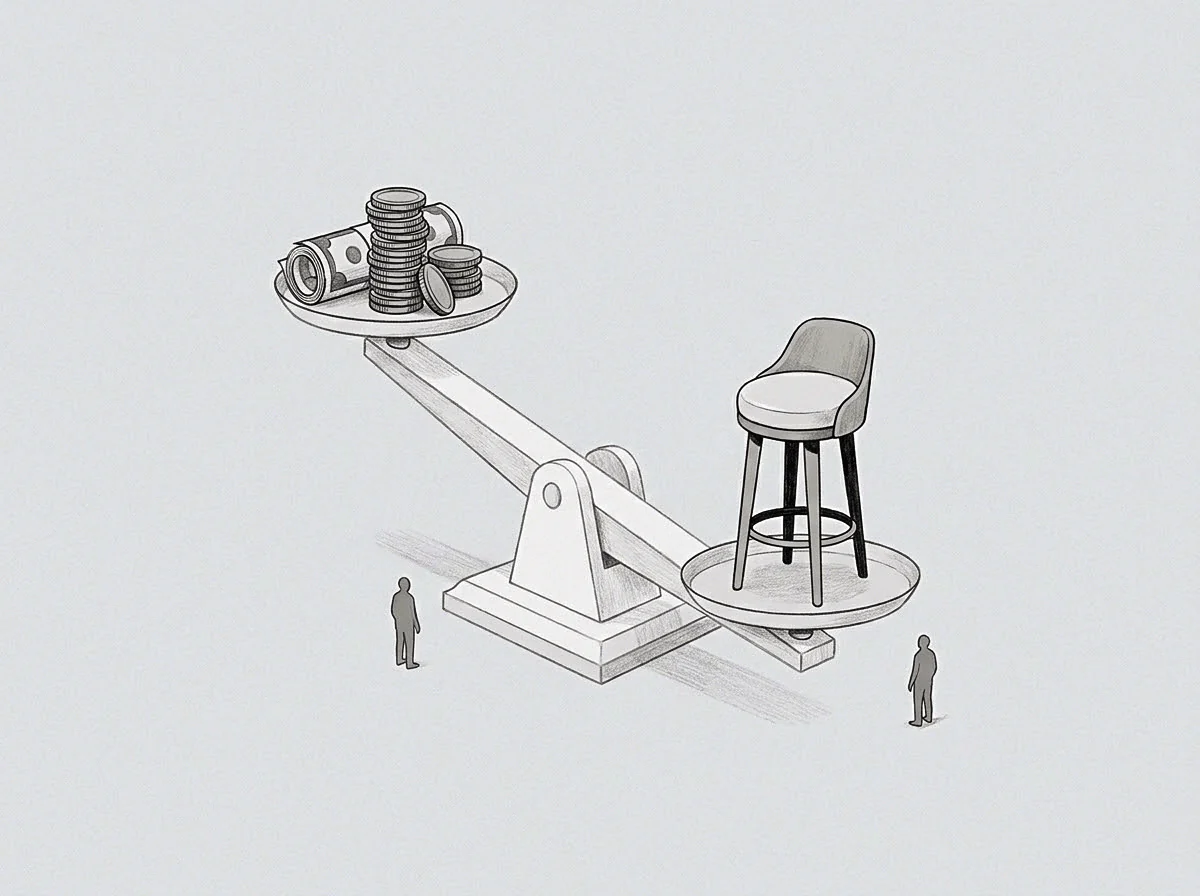
Unwritten legal obligations arise from conduct and past communications when parties interact without a formalized final agreement. A breach of implied contract occurs whenever one side violates unstated behavioral expectations established during prior negotiations. Courts examine the preceding correspondence and operational habits to determine whether mutual assent existed despite the lack of a signed document.
This form of liability costs a business valuable working hours and executive attention during protracted litigation over disputed commitments.
Oral Evidence
Conversations occurring prior to a dispute rarely carry the weight of contemporary written records. Founders often rely on verbal assurances given during early pitch meetings without documenting the exact boundaries of those discussions. Witnesses recall past statements differently after commercial interests diverge, creating evidentiary gaps that undermine the defense.
Contemporaneous meeting notes and internal memos provide the primary mechanism for reconstructing unwritten understandings before a disagreement reaches formal proceedings.
Behavioral Baseline
Operational habits create binding standards that supersede casual verbal agreements over extended commercial partnerships. Repeated billing practices or consistent delivery schedules establish a behavioral baseline that courts interpret as a mutual course of dealing. Deviating from established patterns without prior written notification triggers liability under unwritten doctrines.
This standard forces organizations to maintain rigorous internal documentation whenever administrative routines shift away from historical precedent.
Precedent Risk
Unsigned collaboration agreements generate latent liabilities that persist long after the initial discussions conclude. Founders expose themselves to legal exposure whenever they accept professional services without executing a retainer defining the exact scope of work. Written disclaimers mitigate this exposure by explicitly denying the existence of binding obligations prior to formal execution.
Unwritten commitments remain enforceable whenever the conduct of the recipient encourages the provider to continue delivering value under reasonable expectations of compensation.