
Extinguishing Tacit Equity Promises Through Structured Integration Waivers
Structured integration waivers extinguish unwritten equity promises by combining explicit legal releases with fresh consideration and contractual merger clauses.

Record
Two operators share an office during the third month of a venture, one running product architecture and the other handling commercial distribution. Neither holds formal stock certificates yet. The commercial operator remarks that initial sweat equity will convert into a quarter of the company once funding closes, and the technical operator nods in agreement.
No record enters the corporate repository that afternoon, and no attorney drafts terms around the discussion. The venture expands, recruits early staff, and raises institutional financing eighteen months later.
By the time institutional capital requires a clean capitalization table, two conflicting accounts have taken shape. The technical founder recalls an absolute commitment for twenty-five percent of total equity, protected from dilution. The commercial founder remembers a speculative discussion conditioned on revenue milestones that were never reached.
Both parties hold their versions in good faith. Research on divergent recall indicates that individuals reconstruct shared events continuously around subsequent effort, status, and perceived sacrifice. Each side revises the historical baseline privately without informing the other.
A promise left unwritten expands in the memory of the recipient while shrinking in the mind of the giver.
Informal commitments, casual messages, and early fundraising pitch decks produce tacit equity promises that function as unrecorded obligations on the balance sheet. When a formal financing round, acquisition, or corporate reorganization arrives, the company faces exposure if these expectations remain open. Under the legal doctrine of promissory estoppel, an individual can seek equity-grade remedies after demonstrating reasonable reliance on unwritten statements to their financial detriment.
Discharging these informal arrangements requires consolidating loose understandings into a single, definitive written instrument.
Early team members often argue that their initial below-market contributions were provided specifically in exchange for permanent equity participation rather than cash wages.
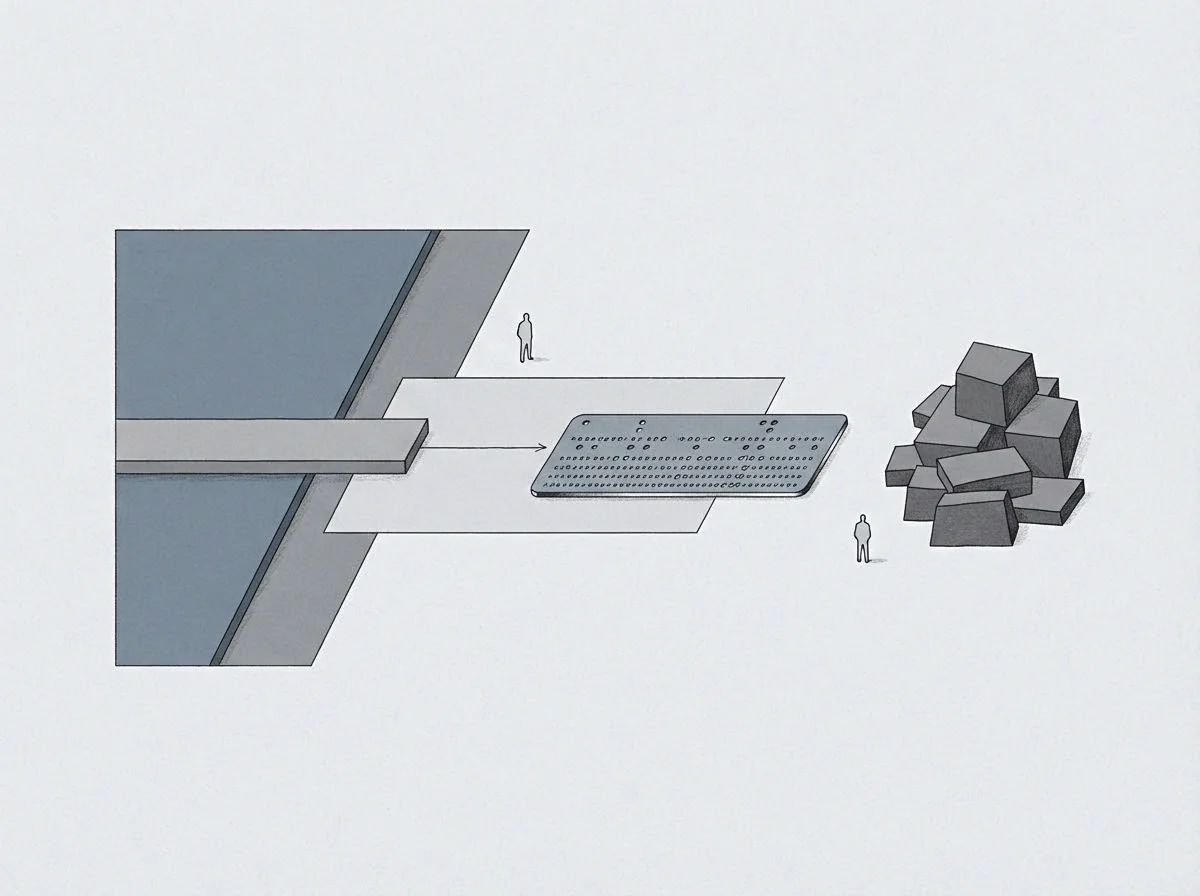
Paper
Formal corporate transactions resolve historical ambiguity through documentation. When unwritten understandings threaten an institutional investment round or an acquisition, legal counsel introduces specific contractual mechanics. The primary instrument for clearing informal equity claims is a structured integration waiver, which couples an explicit release of claims with an integration clause to supersede earlier representations.
The legal enforceability of an integration waiver depends on the precise contractual instruments deployed during the transaction. Different instruments achieve distinct structural goals, varying by operational friction and evidentiary threshold.
| Instrument Type | Primary Mechanism | Evidentiary Threshold | Operational Friction | Extinguishment Scope |
|---|---|---|---|---|
| Standalone Integration Waiver | Explicit release of unwritten claims for stated cash or equity consideration | High specificity regarding prior conversations and dates | Moderate friction requiring direct negotiation | Total extinguishment of all prior unwritten equity expectancies |
| General Liability Release | Broad release of all known and unknown claims up to execution date | General release language without naming specific promises | Low friction embedded in severance or consulting end-terms | Partial risk mitigation; vulnerable to fraud-in-the-inducement defenses |
| Restated Shareholder Agreement | Superseding clause stating the written document contains the entire agreement | Standard contract merger clause without explicit back-pay releases | Low friction during routine equity incentive rollouts | Moderate risk; prior oral promises may survive as collateral agreements |
| Incentive Grant Re-alignment | Fresh option grant contingent on signed acknowledgment of zero prior equity | Direct written statement confirming current cap table accuracy | High friction balancing prospective upside against past expectations | High extinguishment efficacy for continuing operational personnel |
A structured waiver relies on the parol evidence rule, which prevents parties from introducing extrinsic evidence of prior or contemporaneous oral discussions to contradict an integrated written contract. Including an explicit merger provision ensures earlier exchanges lose legal effect once the contract is signed. Without an explicit textual record that survives integration, unwritten equity expectancies dissolve upon execution.
Poor contract mechanics allow informal understandings to persist through formal integration steps. Structured waivers routinely fail when key operational protections are omitted from the text.
- Vague release scope fails to identify oral promises made during initial recruitment, leaving ambient room for collateral claim assertions.
- Inadequate legal consideration renders the waiver unenforceable under standard contract principles when no tangible value passes to the waiving party.
- Omission of fraud disclaimers permits claimants to argue they were fraudulently induced into signing the waiver based on unwritten ongoing promises.
- Unilateral execution demands without reasonable consultation windows generate duress arguments that invalidate releases during subsequent litigation.
Executing a fully integrated agreement backed by distinct release covenants and valid legal consideration fully discharges prior oral agreements between the parties.

Delta
To examine how informal understandings diverge, take a common scenario involving two founders and an early head of engineering. The three work for two years without a signed equity agreement. The primary founder operates on the assumption that the engineer will receive a five percent employee option pool allocation subject to standard four-year vesting.
The engineer assumes an informal handshake during the first month secured ten percent direct equity outright. The business subsequently receives a valuation of ten million dollars in its series A financing round.

What triggers the formal comparison of unwritten equity claims?
Institutional investors require an audited capitalization table before wiring funds, forcing the primary founder to deliver a definitive agreement to the engineer. The divergence between the founder’s framework of five percent in unvested options and the engineer’s expectation of ten percent direct equity converts into an immediate financial dispute. At a ten million dollar valuation, the difference between the two positions equals five hundred thousand dollars in equity value, alongside substantial variances in voting rights and dilution protection.
Reconciling the accounts at month three would have cost only nominal equity value. Postponing that audit until an institutional round compounds the expense, forcing the company to pay cash to secure the signed integration waiver, dilute founders past planned limits, or face litigation that jeopardizes the financing.
The financial cost of settling an unwritten equity promise scales directly with the valuation of the enterprise at the moment of formal comparison.
Uncertainty over early representations generates severe friction within operating teams. When leadership overlooks the variance between verbal discussions and formal records, key staff often slow delivery while assessing their position. Failing to secure an integration waiver before an institutional diligence audit leaves the company open to injunctions that halt the transaction entirely.

Waiver
Extinguishing an unwritten equity claim requires active negotiation rather than standard administrative paperwork. The company must provide fresh consideration in return for a complete surrender of historic claims, balancing forward-looking equity incentives against explicit waivers of earlier discussions.
Moving an organization from informal expectations to executed legal agreements follows a systematic sequence during a corporate restructuring.
- Audit informal communications, text archives, and early pitch decks to identify every potential unwritten commitment made to current or former team members.
- Draft a comprehensive integration waiver incorporating specific release of all prior equity claims, explicitly referencing early casual discussions.
- Value the historical contribution and determine fresh legal consideration, combining partial cash settlement, formal stock option grants, or accelerated vesting provisions.
- Present the integrated document to the counterparty alongside complete cap table disclosures and a reasonable review window for independent legal consultation.
- Execute the formal waiver prior to signing binding investment term sheets or closing transaction merger agreements.
Structured integration waivers anchor fluid recollections to an enforceable text. By granting formal option packages or supplemental cash bonuses alongside the waiver, the business satisfies the legal test for consideration. A signed instrument provides the clear documentation institutional investors require before putting capital into the entity.
Clean equity releases require tangible legal consideration to survive judicial scrutiny in corporate disputes.
A practical concern remains whether a contributor who signs a waiver under transaction deadlines carries unaddressed grievances that disrupt operational cohesion during subsequent expansion.

Boundary
Extinguishing unrecorded equity expectations sets the boundary between early-stage venture formation and formal governance. Once integration waivers are executed, management must install explicit communication guidelines to prevent new unwritten equity exposures from developing across hiring and compensation workflows.
Informal understandings arise easily when management lines remain informal and compensation rules stay open-ended. Using standard offer letters, structured hiring templates, and documented incentive plans stops candidates from reading executive optimism as an unwritten grant. Every equity grant requires formal board approval and an executed option contract before carrying legal standing.
Definitive corporate records extinguish informal accounts permanently when management enforces absolute document discipline across all personnel interactions.
Clear documentation protects corporate capital structure while giving operators predictable, measurable terms. Handling equity commitments early avoids the legal fees and executive distraction that accompany disputes during an exit.
Written agreements clear past claims while setting the precise limits of future ownership.