
Measuring Tacit Labor Subsidies When Comparing Founder Accounts And Successor Budgets
Tacit labor subsidies mask true operating costs by substituting unrecorded owner effort for market-rate payroll lines in successor budgets.

Subsidy
When a founder steps away, financial records may show stable margins, predictable vendor contracts, and low operational overhead. Once the incoming operating team takes over and applies standard market compensation rates, operating expenses can rise forty percent within two quarters. This variance originates in unrecorded executive effort that supported operations off the books.
Unbilled work performed during nights, weekends, and crisis windows represents a silent operational contribution.
The founder remembers efficiency and high capital productivity, while the successor encounters operational drag, mounting delays, and an immediate requirement for three additional departmental hires. Tacit labor subsidies represent the unpriced hours, undocumented administrative triage, and informal relational interventions that an owner provides without monetary extraction, distorting the baseline operating model.
Uncompensated operational inputs create artificial margins that vanish the moment market-rate personnel replace an owner.
Successor budgeting fails when historical expenditure serves as a forward-looking proxy without adjusting for unbilled time.
An owner frequently performs low-level technical maintenance, informal client management, and real-time vendor negotiation during non-standard working hours. Because these actions bypass payroll systems, accounting ledgers omit their value entirely, leaving the company appearing leaner than market reality permits.

Floor

Baseline Variances In Handover Calculations
A true operating floor emerges only after auditing the physical tasks an owner executes versus the explicit roles defined in operational budgets. When a successor enters, every functional task requires an explicit budget line.
| Functional Category | Founder Unpriced Input | Successor Budget Requirement | Variance Driver |
|---|---|---|---|
| Vendor Negotiations | Personal concessions and unrecorded weekend calls | Procurement specialist retainers | Loss of owner relational capital |
| Tier Three Incident Response | Midnight diagnostic fixes and custom script maintenance | Dedicated on-call engineering coverage | Contractual wage premiums and shift minimums |
| Account Dispute Mediation | Ad hoc equity promises and founder reassurance | Account management staff and retention discounts | Institutionalized client servicing structures |
| Operational Scheduling | Continuous manual triage via personal mobile devices | Enterprise dispatch tooling and administrative payroll | Transition from informal oversight to paid labor |
The transition exposes unpriced time as immediate cash outflows.

Structural Components Of Unpriced Labor
Measuring the divergence between an owner account and a replacement budget involves categorizing undocumented contributions across four operational domains.
- Relational capital extraction occurs when long-standing personal goodwill substitutes for contractual concessions, formal discounts, or vendor retainers.
- Continuous triage coverage represents the round-the-clock informal monitoring of operational infrastructure that prevents customer escalations without paid staffing.
- Cross-functional gap bridging happens when an owner completes unassigned administrative, legal, or accounting tasks that fall outside standard team descriptions.
- Sub-market wage acceptance reflects the practice of taking compensation below replacement value to report inflated operating profitability.
A replacement budget matches reality only when every undocumented operational touchpoint receives an explicit market wage assignment.
A formal transition agreement specifies an operational audit period where all off-hours owner interventions cease thirty days before fiscal modeling closes.

Toll

Whose Calculations Account For Unpaid Founder Overtime?
Disputes surface when the outgoing owner views the successor team as inefficient, while the incoming team views historical operating accounts as fictitious. The founder remembers running the company with five people, whereas the successor requires nine people to maintain identical throughput.
Recollection research demonstrates that individuals systematically underestimate time spent on routine administrative tasks when assessing past performance. An outgoing executive genuinely believes the enterprise ran on forty hours per week because off-hours problem-solving registers as ownership commitment rather than billable labor, a belief reflected in the financial record.
Departing executives remember operational grace where incoming operators discover unstaffed systemic friction.
Standard employment agreements cannot replicate personal sacrifice, requiring market-rate compensation for replacement staff.
Incoming personnel operate under formal labor boundaries, contractual overtime limits, and explicit job descriptions, and do not field customer complaints at three in the morning without dispatch compensation.
Standard operating procedures are presumed to maintain historical margins without adding headcount.
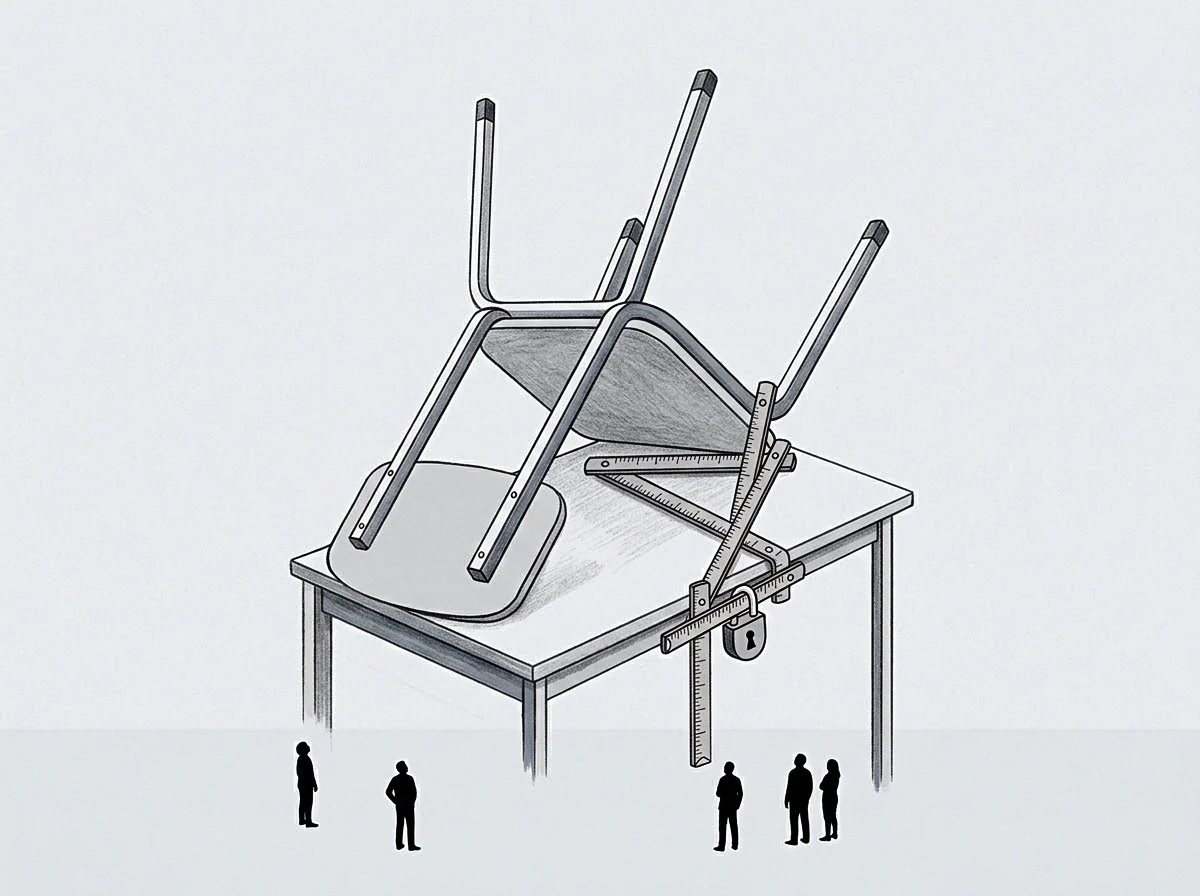
Transfer
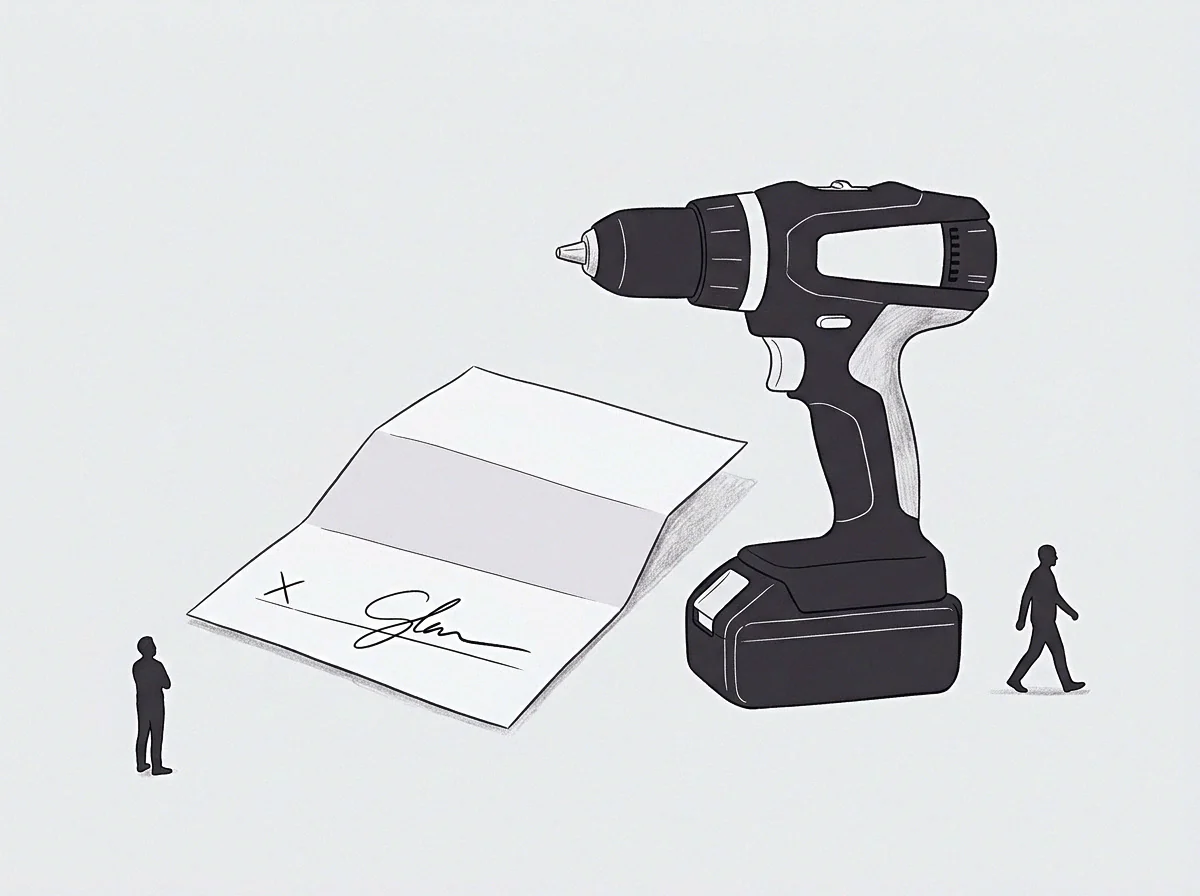
Successor Budget Reconstruction Protocols
Reconciling founder accounts with successor budgets involves translating unlogged activity into market-rate full-time equivalents. Analysts reconstruct the operational model by logging all non-delegated actions over a ninety-day observation window.
When the observation window reveals forty weekly hours of distributed administrative triage performed by an owner, the successor budget adds a full-time operational coordinator position plus payroll taxes and software seats, doubling the original hiring estimate.
Historical cash flow records serve as dangerous operational baselines until adjusted for market replacement wages across all executive touchpoints.
The organization pays the difference as capital reserves absorb the variance.
Ignoring tacit labor subsidies during leadership transitions leads directly to mid-year liquidity crises, failed operational handovers, and forced emergency capital calls to cover unmodeled wage expenses.