
Resolving Unilateral Record Deletion When Departing Operators Control Administrative Credentials Across Shared Cloud Infrastructure
Unilateral record deletion is mitigated by routing administrative cloud events to immutable cross-account mirrors controlled outside the operator permission boundary.

Door
An operator holding root access to shared cloud infrastructure can wipe transaction tables, erase object storage buckets, and terminate audit logging pipelines within seconds. During an operational exit or equity dispute, credential dominance grants one individual physical control over the historical record. The remaining partners log into management consoles to find empty directory structures and severed API keys.
Cloud accounts retain persistent state. Unilateral erasures leave visible gaps.
The gap between what was performed and what remains documented creates immediate operational paralysis. The departing operator asserts that deleted data consisted of routine temporary files, personal scripts, or unneeded staging assets. The entity asserts that foundational source code, customer records, and ledger histories were erased to obscure past financial transfers or force renegotiation.
Without independent credential mirrors, both accounts remain plausible to external observers.
Single account holders possess the physical capacity to erase shared infrastructure history before credential handover occurs.

Unilateral Privilege Execution During Transition
Root credentials in cloud environments bypass identity policies, role restrictions, and administrative approval workflows. When an individual creates cloud infrastructure under a personal email or an unmanaged tenant, organizational access exists purely at that individual’s discretion. The operator holds the cryptographic material to generate root access keys, delete cloud management trails, and alter IAM policies without secondary authorization.
Credential isolation prevents root destruction. In typical unmanaged arrangements, the operator executes deletions directly through command line interface scripts that systematically drop storage instances and database snapshots. System logs expose manual overrides.
Because the event history service relies on credentials managed within the same tenant, the operator terminates logging before running destructive routines. The account history disappears alongside the database records.

Divergent Records of Cloud Infrastructure History
When shared infrastructure lacks mirrored log retention, operational transitions devolve into competing personal narrative assertions. One party remembers a collaborative effort where infrastructure modifications were discussed openly during informal calls. The departing party asserts absolute ownership of the underlying scripts and claims the deletion served to protect proprietary personal IP.
Single keys create absolute leverage.
The entity incurs immediate recovery expenses, technical debt, and business interruption while attempting to baseline system state from local developer workstations. Reconstruction costs scale rapidly as engineers manually audit secondary API endpoints, vendor invoices, and local git histories to synthesize what the cloud environment contained forty-eight hours prior. The technical debt compounds when operational history is missing during legal or commercial audits.
Failing to isolate administrative credentials prior to transition negotiations leaves record integrity vulnerable to individual temperaments.
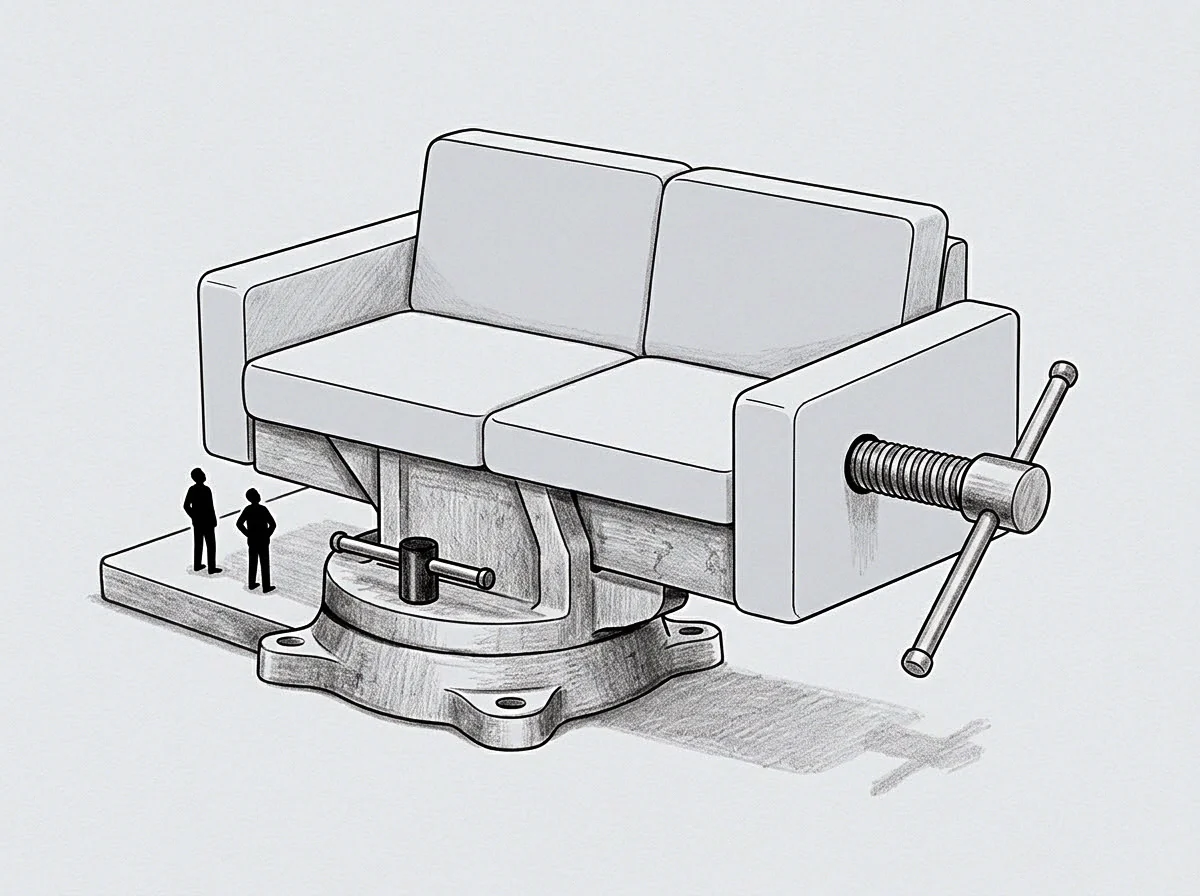
Access
Preventing record destruction demands structural isolation between operational execution rights and administrative account retention policies. Infrastructure security models distinguish between identity credentials that manage day-to-day continuous integration deployments and immutable parameters that govern record persistence. Storage locks preserve record integrity.
| Operational Dimension | Single-Operator Root Credential | Immutable Cross-Account Architecture |
|---|---|---|
| Log Erasure Resistance | Low; root keys drop cloud audit trails directly. | High; event logs mirror continuously to isolated lock accounts. |
| Snapshot Retention | Subject to manual termination and instant bucket purge. | Protected by Object Lock in strict Compliance Mode. |
| Credential Governance | Held by single individual email or unmanaged credentials. | Separated via hardware token key escrow and multi-party quorum. |
| Evidentiary Recovery | Requires complex local workstation forensic harvesting. | Extracted from cryptographically signed secondary management buckets. |
Configuring cloud object lock in compliance mode prevents file modification or bucket deletion even by root credentials for a pre-configured retention window. When an operator attempts an explicit purge command against an object storage bucket carrying an immutable retention policy, the storage API returns an authorization error regardless of account privilege depth. The data stays physically intact on vendor hardware, ensuring administrative accountability during disputes.
Enabling object lock policies in write-once mode prevents log deletion even when root credentials undergo compromise.

Object Retention Locks and Administrative Escrow
Organizations secure administrative stability by establishing dedicated management accounts completely segregated from daily development projects. Administrative access demands dual custody. Development teams operate inside child cloud accounts governed by organization-level service control policies.
These control policies restrict child account root credentials from modifying audit infrastructure, altering backup retention timelines, or disabling account logging streams.
Escrow policies mandate that primary domain registration, root account recovery email addresses, and multi-factor authentication tokens remain stored in dual-control security vaults. Under a multi-party escrow structure, modifying account configuration parameters demands two authenticated signatures from distinct entity representatives. The single operator retains full operational authority to deploy code and adjust runtime environments while lacking the solitary privilege to destroy infrastructure history.
The specific term granting administrative domain authority to an escrow trustee converts technical credential management into a legally enforceable operational baseline.
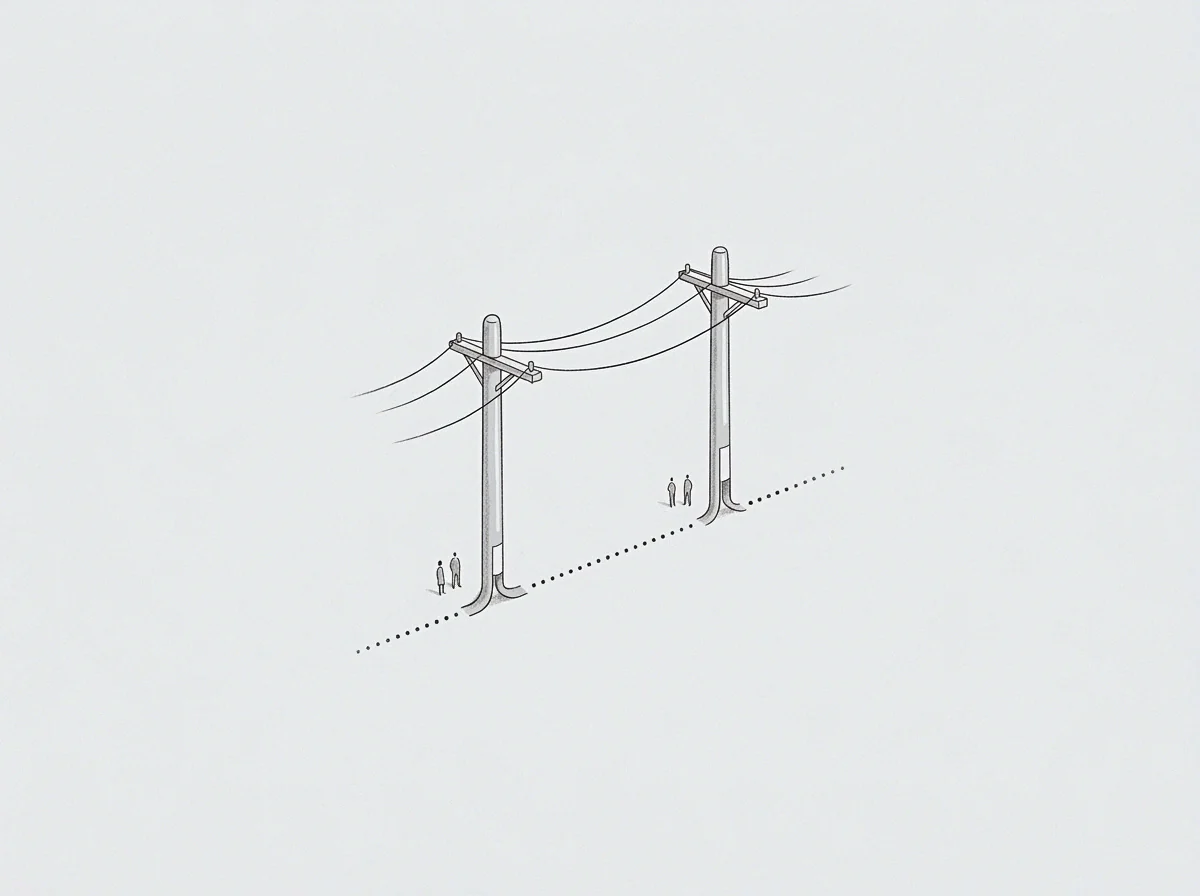
Trace
Reconstructing cloud activity after administrative credentials undergo revocation relies on external data sources and persistent cross-account logs. System activity leaves evidence across vendor billing ledgers, network edge proxies, and third-party continuous integration deployment systems. Reconstructed ledgers resolve divergent claims.
Log replication protects system auditability. Even when primary database instances undergo complete deletion within an application account, auxiliary communication records contain technical fingerprints that prove past operational state. Automated continuous deployment services keep build logs containing environment variable snapshots, database migration scripts, and infrastructure configuration histories.
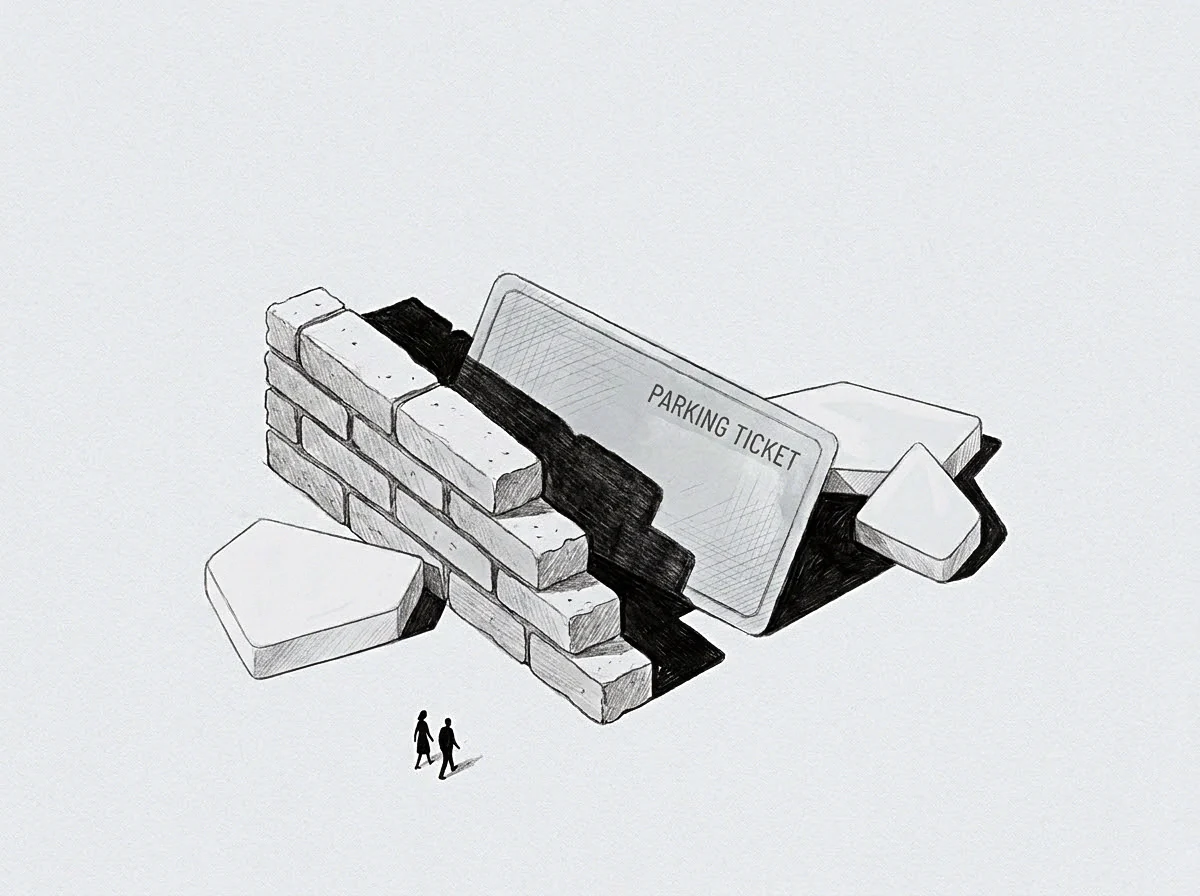
When persistent cloud logs survive root credential erasure?
Cross-account audit trail forwarding copies management event records instantly to an isolated security account outside the operational cloud environment. When an operator deletes a database or flushes an object store inside the operational account, the log forwarded to the security account records the timestamp, originating IP address, IAM user identity, and exact API calls executed.
- Cross-Account Log Forwarding continuously mirrors event histories into an isolated management environment outside the operator permission scope.
- Cryptographic Digest Validation verifies that stored database exports match earlier system state hashes without exposing raw content.
- Third-Party API Journaling reconstructs deployment dates and operational changes from external continuous integration pipelines.
External infrastructure vendors provide independent usage data that cannot be altered through tenant root credentials. Monthly billing line items list specific resource identifiers, database instance sizes, storage volume allocations, and bandwidth volume metrics timed down to the hour. These vendor records demonstrate infrastructure existence and runtime duration, disproving claims that deleted instances were unutilized or non-existent staging assets.
When confronted with external cross-account event logs, departing operators frequently claim the recorded deletions were necessary standard maintenance procedures aimed at eliminating security risks prior to account handover. The historical event trail shows whether deletions followed standard operating patterns or occurred in a sudden batch immediately following notice of exit.

Proof
Disputes involving erased cloud infrastructure move from technical systems into evidentiary legal settings where the timing and nature of record deletion govern legal consequences. Courts and arbitrators evaluate data destruction through doctrines of spoliation when evidence disappears during impending legal or commercial disputes. Unilateral erasures leave visible gaps.
Spoliation occurs when a party holding control over relevant records alters or deletes those files while under a legal obligation to preserve them. When an operator uses root credentials to delete databases, code repositories, or audit trails after receiving exit notifications or equity disagreement communications, adjudicators apply an adverse inference. Under adverse inference rules, the tribunal assumes the deleted data contained evidence damaging to the party that performed the deletion.
A stated key escrow clause converts secret credential retention into an explicit breach of operational duties.

Spoliation Inference and Evidentiary Sanctions
Adverse inference shifts the burden of proof regarding data contents back to the deleting operator. The tribunal treats claims regarding lost intellectual property or unauthorized financial transfers as proven against the deleting party unless that party produces verifiable contrary evidence. Modern commercial tribunals issue direct financial sanctions and default rulings against operators who intentionally purge shared infrastructure records to gain leverage during exit discussions.
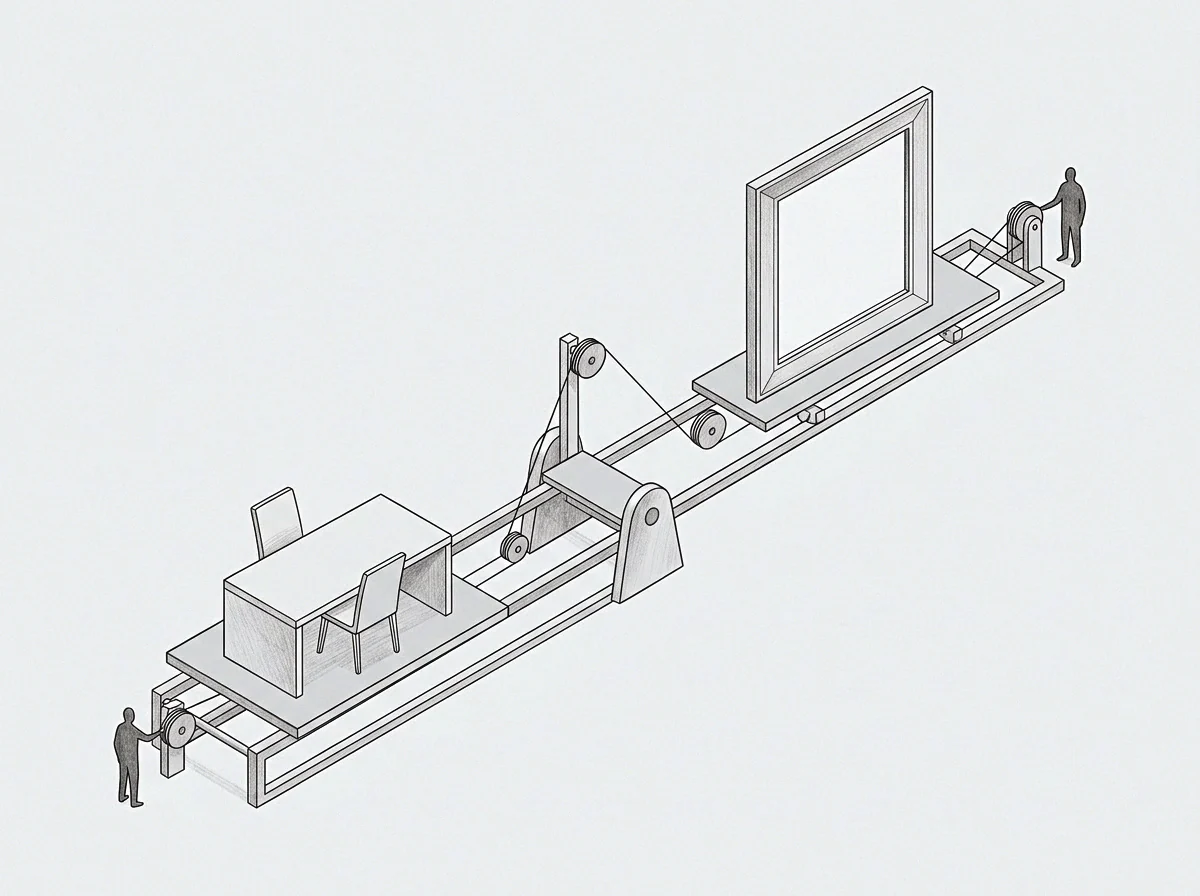
Written Escrow Mandates in Operator Contracts
Legal remedies depend heavily on clear initial agreements defining operational credential protocols. Operating agreements that neglect administrative credential handling force entities to argue implied obligations of faith or fiduciary duty. Explicit contractual provisions define credential retention as intentional conversion of company property.
- Documenting initial credential distribution parameters upon infrastructure initialization establishes baseline administrative control.
- Issuing written revocation requests prior to exit meetings fixes the timestamp for operational credential transfers.
- Preserving external API access logs demonstrates deliberate record deletion following notice of departure.
Data retention mandates outlast departures. Stated key escrow clauses specify that administrative credentials, domain ownership rights, and infrastructure control accounts constitute explicit entity assets held in trust by operators. The clause obligates departing operators to execute formal credential transfers before modifying system states or removing local access tokens.
What specific evidentiary threshold demonstrates that an automated database drop was an intentional act of spoliation rather than an automated automated garbage collection routine?
Seat
Managing operational continuity demands decoupling individual technical contributors from administrative ownership of foundational infrastructure. Physical access to systems must mirror structural governance rights established in foundational entity documents. Escrow keys secure foundational history.
Establishing corporate governance protocols ensures that developer access tokens remain tied to individual employee accounts subject to immediate central revocation. Organizations implement identity federation where single sign-on providers manage developer authentication. When an operator departs, revoking the central directory account cuts off access across cloud environments, code hosting platforms, deployment servers, and database consoles in a single operational action.
Operational governance holds firm when administrative credentials reside outside individual developer control.
Credential Isolation Architecture Before Exit
Transition planning begins long before an operational exit occurs. Entity founders establish separated administrative management accounts during initial cloud setup, ensuring root recovery keys, billing details, and domain administration reside in secured, multi-party access vaults. Technical operators hold high-privilege administrative roles suited to day-to-day engineering while remaining blocked from executing top-level organization deletion commands or disabling audit trails.
When an operator announces an intention to leave or when equity negotiations falter, administrative credentials within the dual-control structure execute role revocation quietly before exit discussions begin. Modern IAM policies allow organizations to downscope an operator’s privileges to read-only status or remove log manipulation permissions while keeping application execution rights active during handover phases. This prevents panic actions and guarantees that all historical data remains intact for the incoming engineering team.
Establishing Dual-Control Infrastructure Controls
Root credentials remain inactive in standard daily operations, locked behind dual-custody hardware tokens distributed among non-operator directors or secure entity trustees. Daily changes execute through automated continuous integration pipelines triggered by pull requests requiring multi-peer reviews. This structure eliminates single points of technical failure and ensures that no single operator maintains unilateral control over entity data survival.
Securing shared cloud records demands aligning technical privilege depth with contractual ownership definitions before operating conflicts arise. Infrastructure architecture reflects legal structure when data persistence policies operate independently of individual developer credentials. A secure cloud setup isolates root administrative authority within multi-party management accounts long before departure conversations commence.