
Clean Room Refactoring Protocol for Eradicating Residual Equitable Title Claims in Early Assets
Clean room refactoring eradicates residual equitable title claims by decoupling functional logic from legacy code using isolated teams and audited specs.
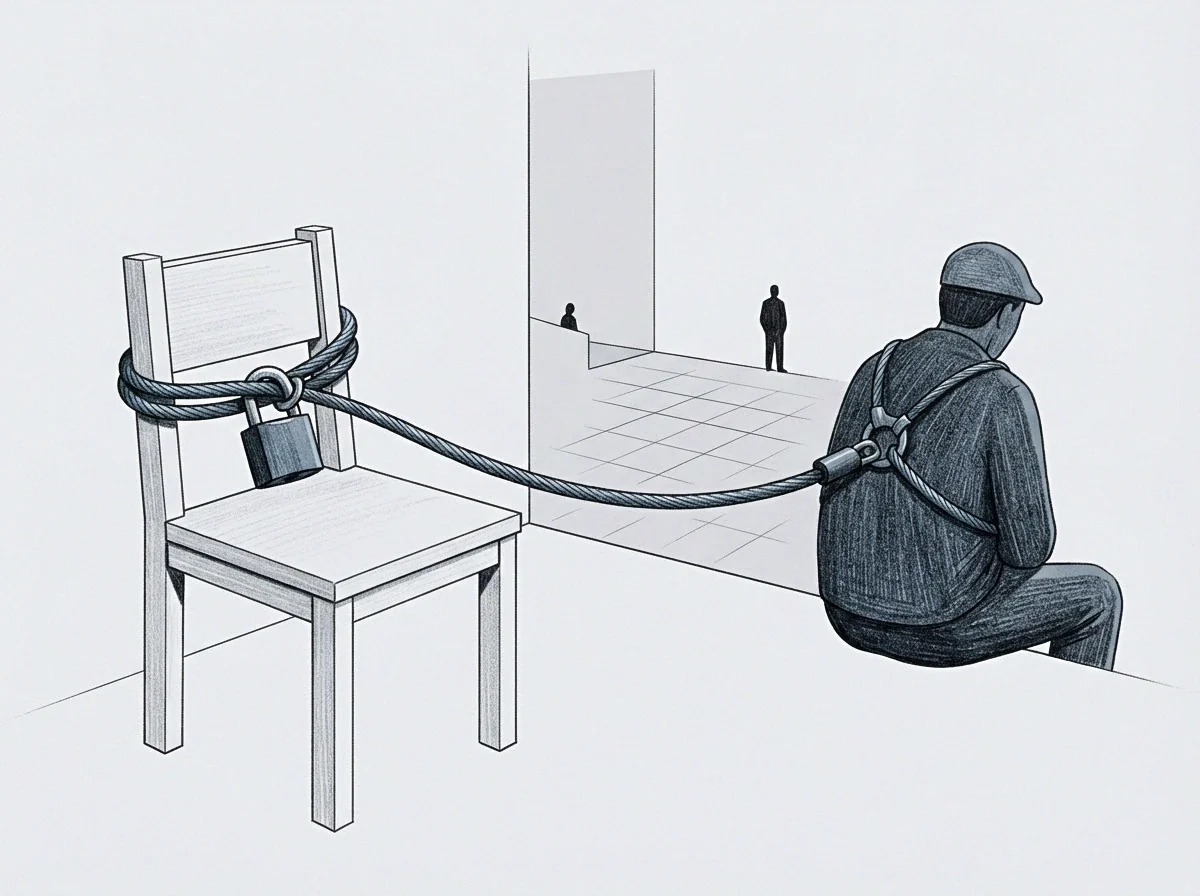
Contamination
Early software development often relies on informal commits, verbal agreements, and shared repositories before formal intellectual property assignments are executed. When two engineers build initial software prototypes prior to incorporation, copyright title vests directly in the individual authors. If one contributor later leaves without signing an IP assignment deed, the corporate entity retains only an implied non-exclusive license or an equitable claim to the code.
This gap creates a lasting ownership defect across early commits.
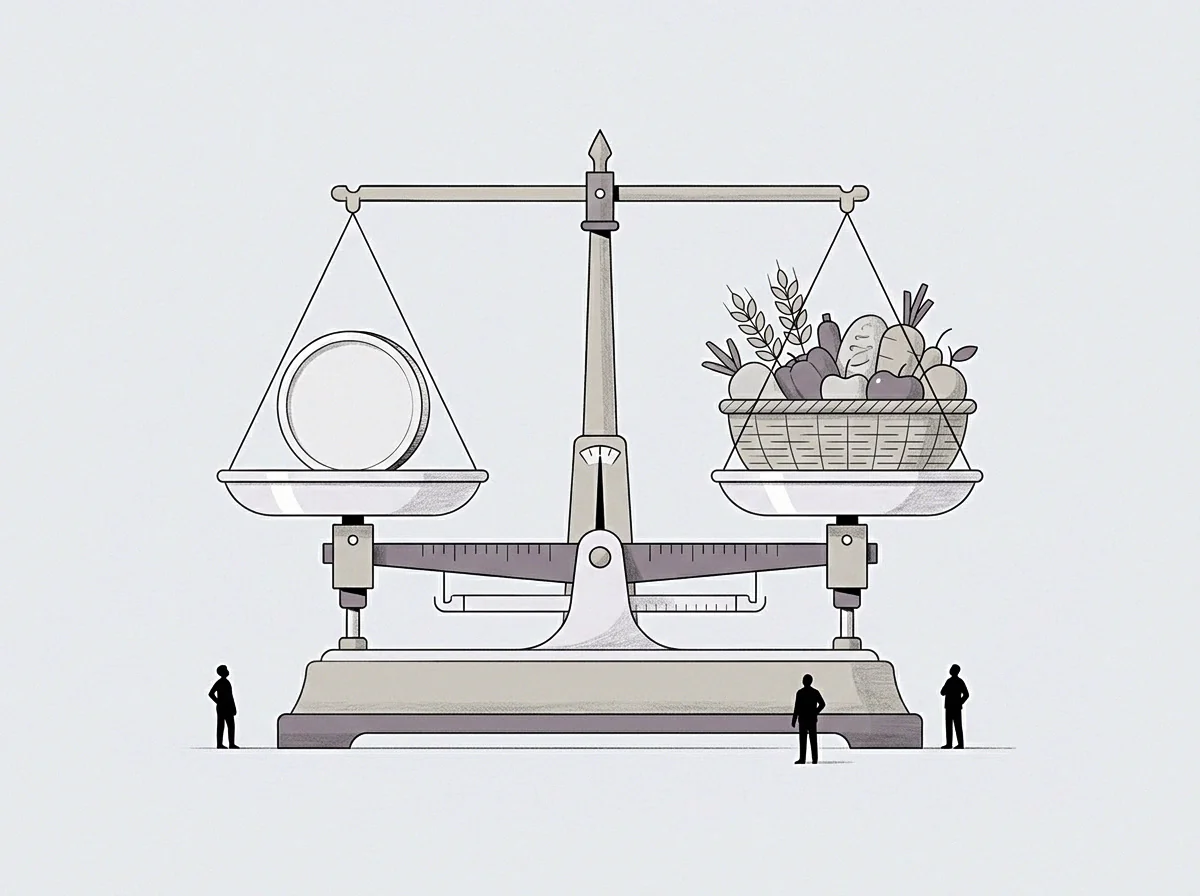
Sources of Residual Ownership Claims
Early builds frequently rely on engineers working before a company is formed. Unassigned commits accumulate when contractors, advisors, or initial partners write code without signed contracts. Copyright law treats these unwritten arrangements as vesting legal title in the author, leaving the business entity with equitable rights to demand conveyance.
As commercial value grows, former contributors may assert equitable title claims to block acquisitions or demand equity splits.
- Unassigned Legacy Commits occur when early developers commit code to shared repositories before signing corporate invention assignment documents.
- Verbal Equity Promises arise when founders promise equity splits in exchange for technical work without defining IP transfer terms.
- Mixed Asset Repositories emerge when open source code, personal libraries, and proprietary software blend into a single build pipeline.
- Contractor IP Omissions happen when independent contractors receive payment without executing explicit work-for-hire assignments.
The original record remains relevant.
A business relying on informal commitments faces clear legal vulnerability during due diligence audits. Prospective acquirers check commit logs against executed assignment agreements, and a single missing assignment breaks the chain of title needed for institutional asset transfers.
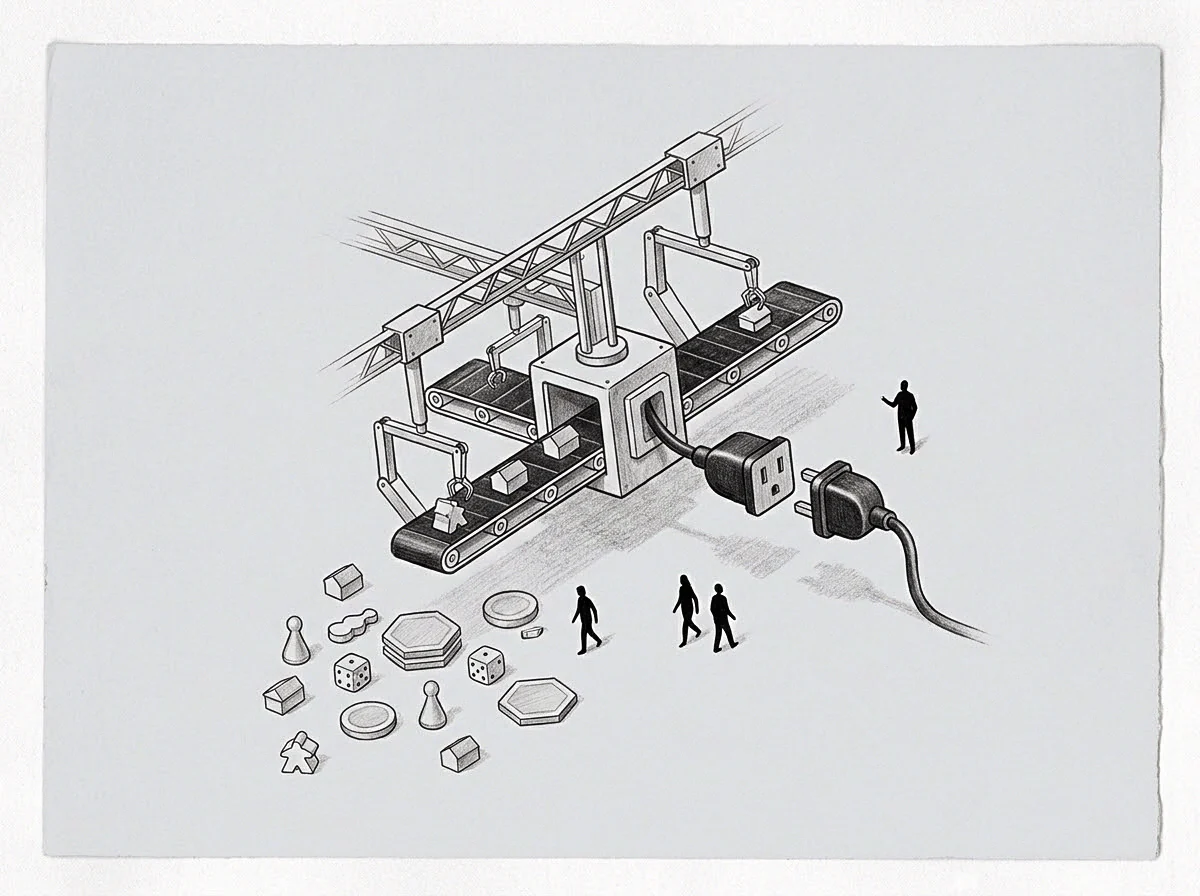
The Burden of Informal Contributions
A software module written during a weekend hackathon carries copyright vested directly in the author. Paying cash expenses or hosting fees does not automatically transfer copyright ownership to the business entity. Equitable title claims surface when an unassigned author asserts co-ownership rights over derivative works built by subsequent engineering teams.
An unexecuted assignment deed leaves legal title with the author while creating equitable interests for the paying entity.
Recollections fade over time.
Litigation over unassigned codebases consumes substantial capital and executive attention. When former contributors demand equity based on early commits, companies face injunction risks that can halt product deployment. Resolving these defects through buyouts frequently costs multiples of the initial software value.
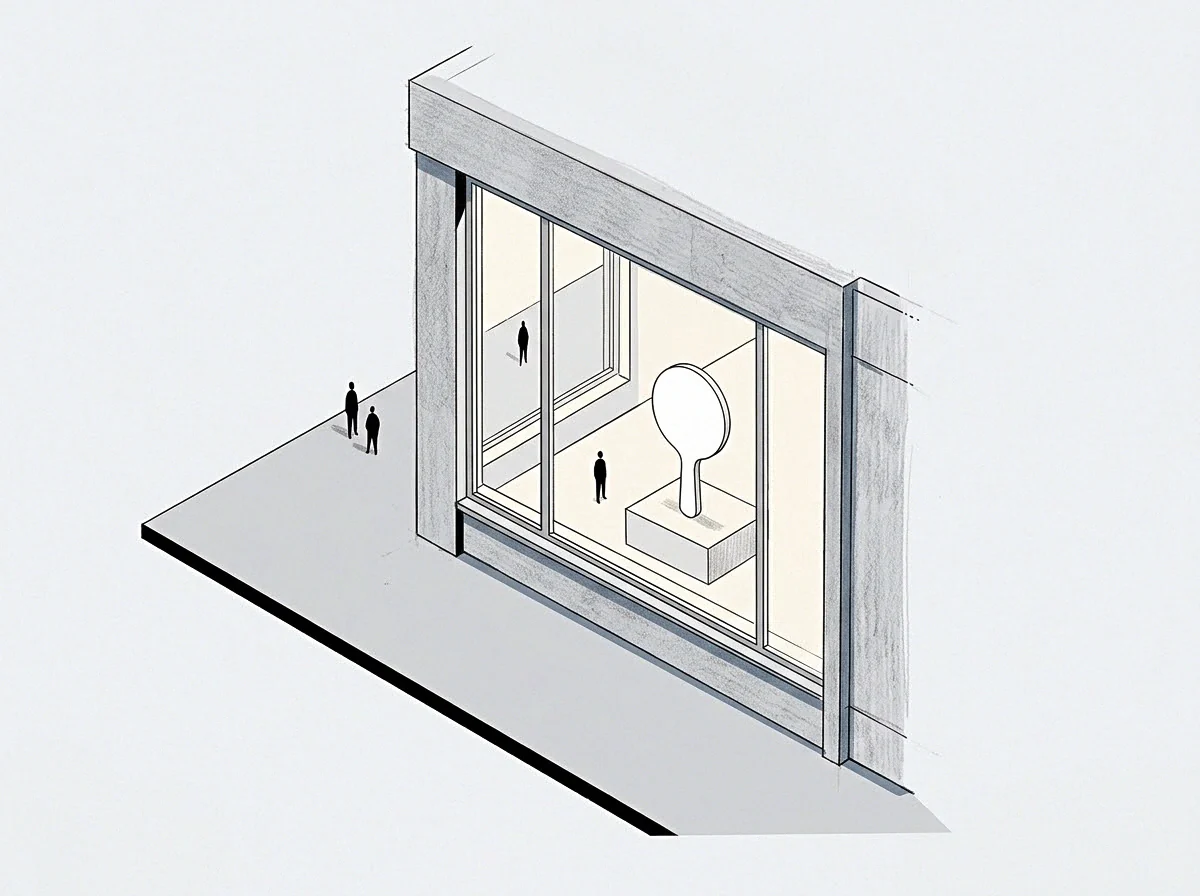
Specification
Resolving an equitable title defect demands an architectural decoupling of functional requirements from legacy source code. Clean room engineering establishes a clean barrier between legacy code structures and fresh software builds, relying on functional specifications created by technical architects who extract requirements while isolating implementation details.

Functional Abstraction and De-Authoring
Clean room refactoring relies on complete isolation between legacy software components and clean implementation teams. The dirty engineering team inspects tainted source code, documents functional behavior, and strips out proprietary expression. This extraction yields a functional description containing no copyrightable source code from early contributors.
The dirty engineering team prepares specifications.
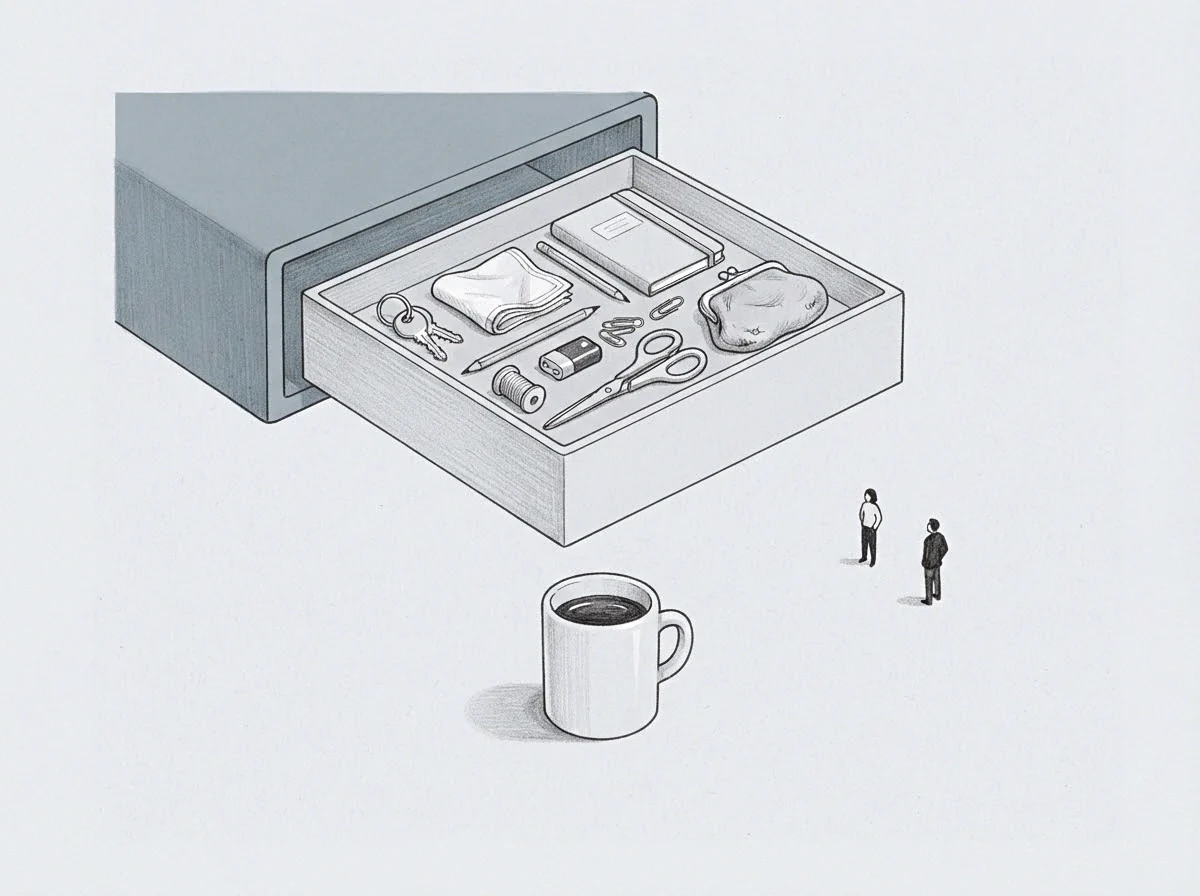
Functional specifications describe inputs, outputs, algorithms, data structures, and edge cases in abstract terms. By translating legacy source code into structural requirements, the dirty team converts copyrightable expression into unprotected ideas and functional procedures, as copyright covers specific expression rather than underlying functional concepts.
A technical specification that contains pasted legacy source code transfers original expression and invalidates clean room isolation.

Constructing the Neutral Specification Layer
The technical architect reviews legacy codebases to document inputs, output formats, algorithms, and business logic, recording each architectural detail in standardized documents. The architect ensures no source code fragments, proprietary comments, or formatting styles pass into the clean specification package.
Formal specifications replace the legacy codebase.
Clean room protocols rely on strict document reviews. Legal counsel audits every functional specification before handing documents to clean implementation engineers, verifying that specifications contain only functional rules and no original copyright expression from unassigned authors.
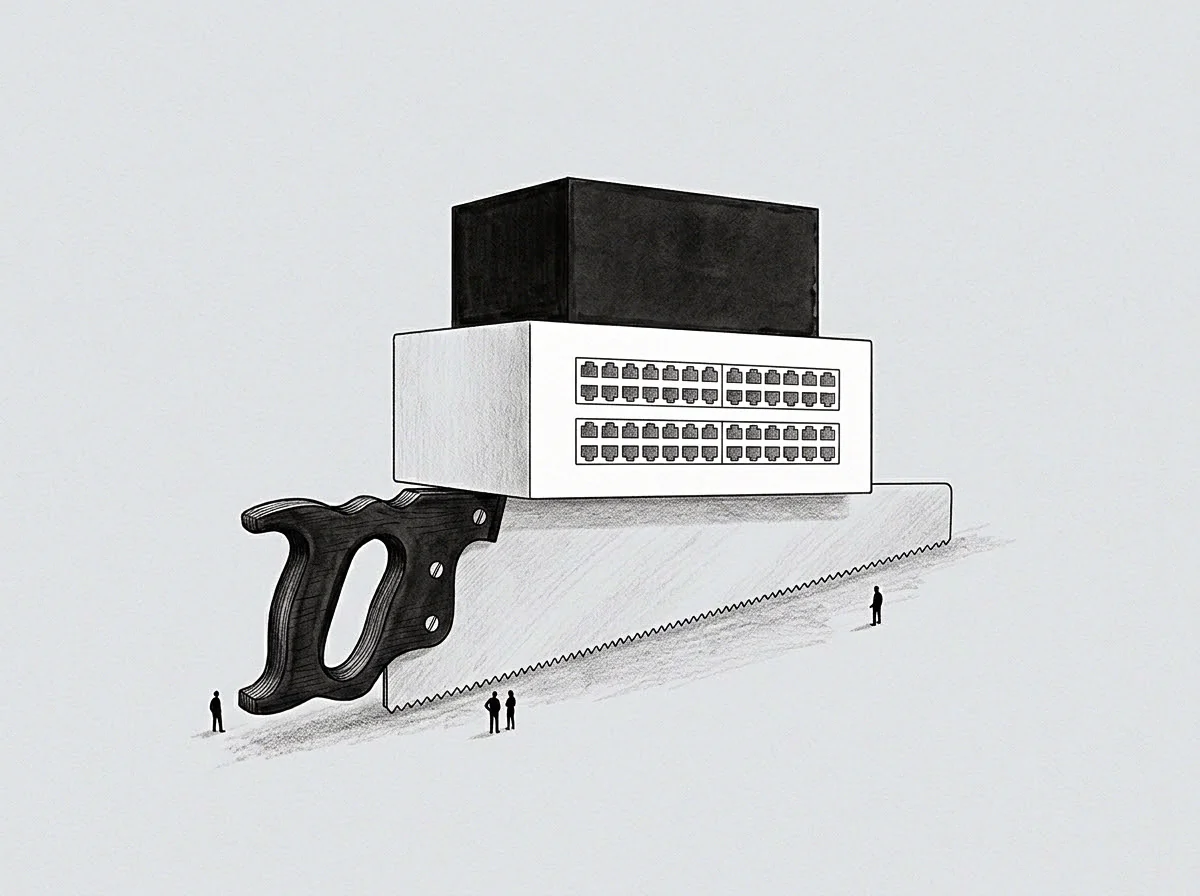
Vault
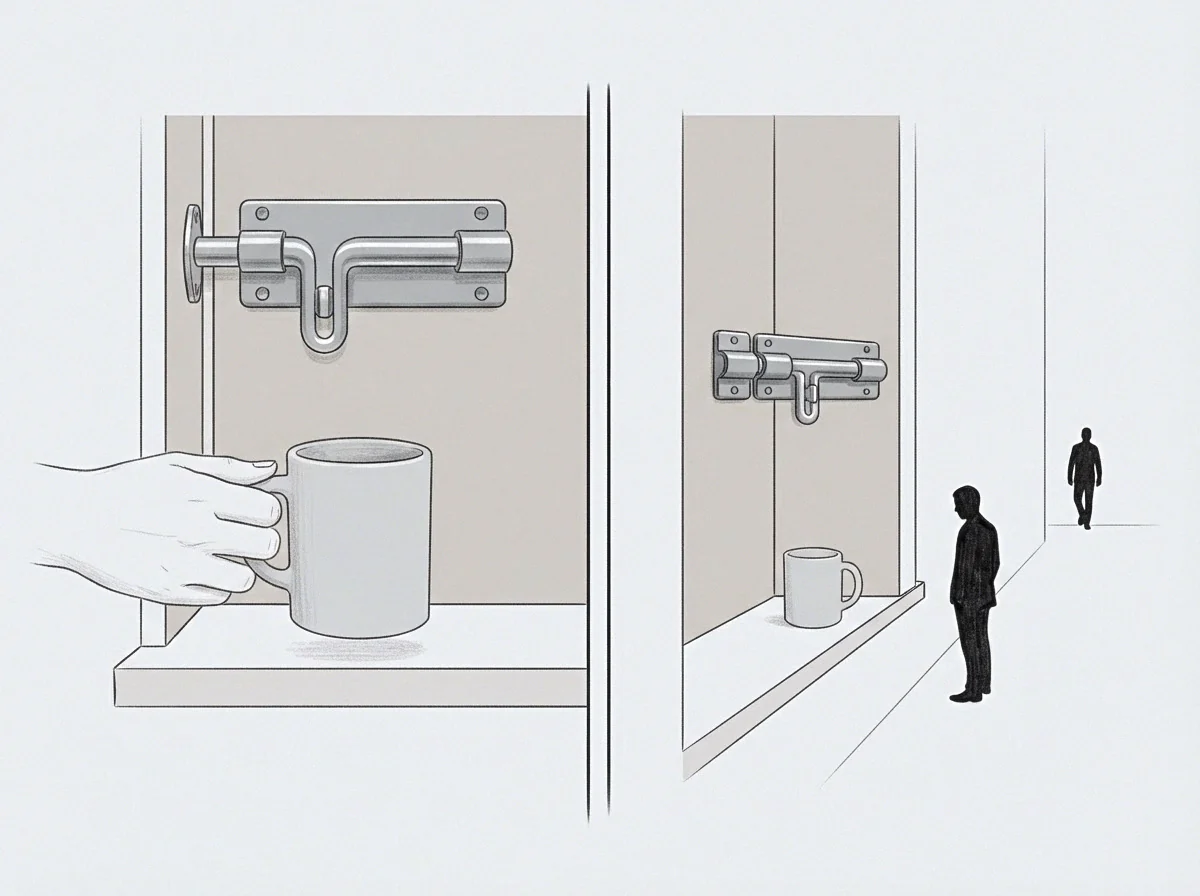
Physical and digital air-gaps protect the clean room from accidental exposure to legacy code. Semiconductor manufacturing facilities use clean rooms with strict air filtration to prevent microscopic dust particles from ruining silicon wafers; software clean rooms enforce absolute digital isolation to prevent legacy code from contaminating new software assets. The clean implementation team operates in isolated digital environments stripped of external repository access.
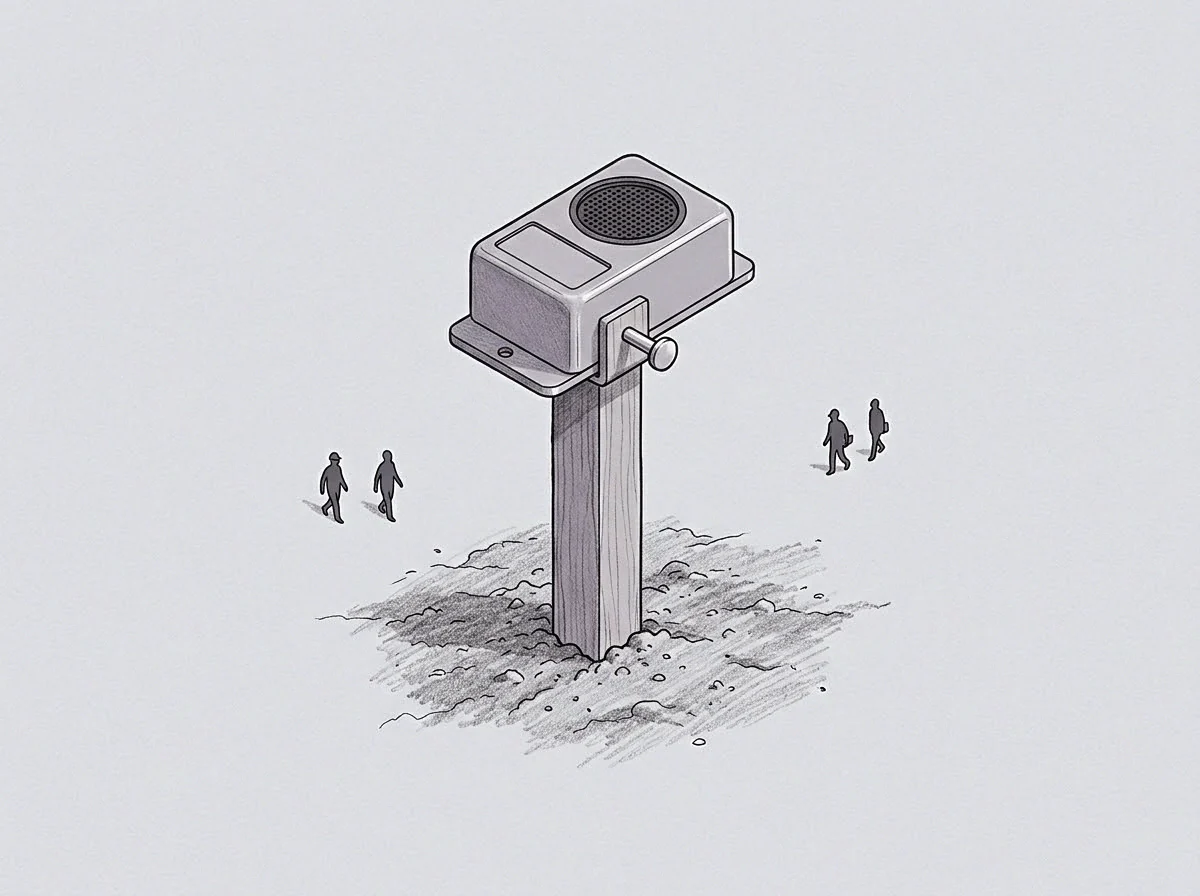
Air-Gapped Isolation Protocols
Engineers assigned to the clean build access no historical repositories, early forum posts, or commit histories. Workstations operate without internet connections or internal network bridges connecting to legacy server environments. Every developer assigned to the clean room executes formal affidavits confirming zero prior exposure to legacy source code.
Clean engineers work without access to legacy materials.
Physical and administrative barriers maintain environmental integrity throughout refactoring. Clean engineers receive functional specifications through monitored transfer channels managed by non-developer administrators. Any technical question regarding specifications flows through written request channels audited by legal counsel.
Clean room implementation successfully eliminates copyright derivative claims only when clean engineers prove zero exposure to legacy source code.

Operational Isolation Steps
Executing a compliant isolation protocol involves four operational milestones.
- The legal team audits legacy code to catalog all unassigned contributions and target modules.
- The dirty team writes abstract functional requirements without copying expression.
- The clean team receives vetted requirements inside fresh development environments.
- Independent security tools perform cryptographic hash matching and static analysis across both codebases.
Isolation breaks the software lineage.
Maintaining clear physical and digital logs creates an evidentiary audit trail. Every interaction between clean engineers and specification architects is logged, timestamped, and archived. If an unassigned contributor claims the new asset constitutes a derivative work, these access logs demonstrate independent creation.
Refactoring
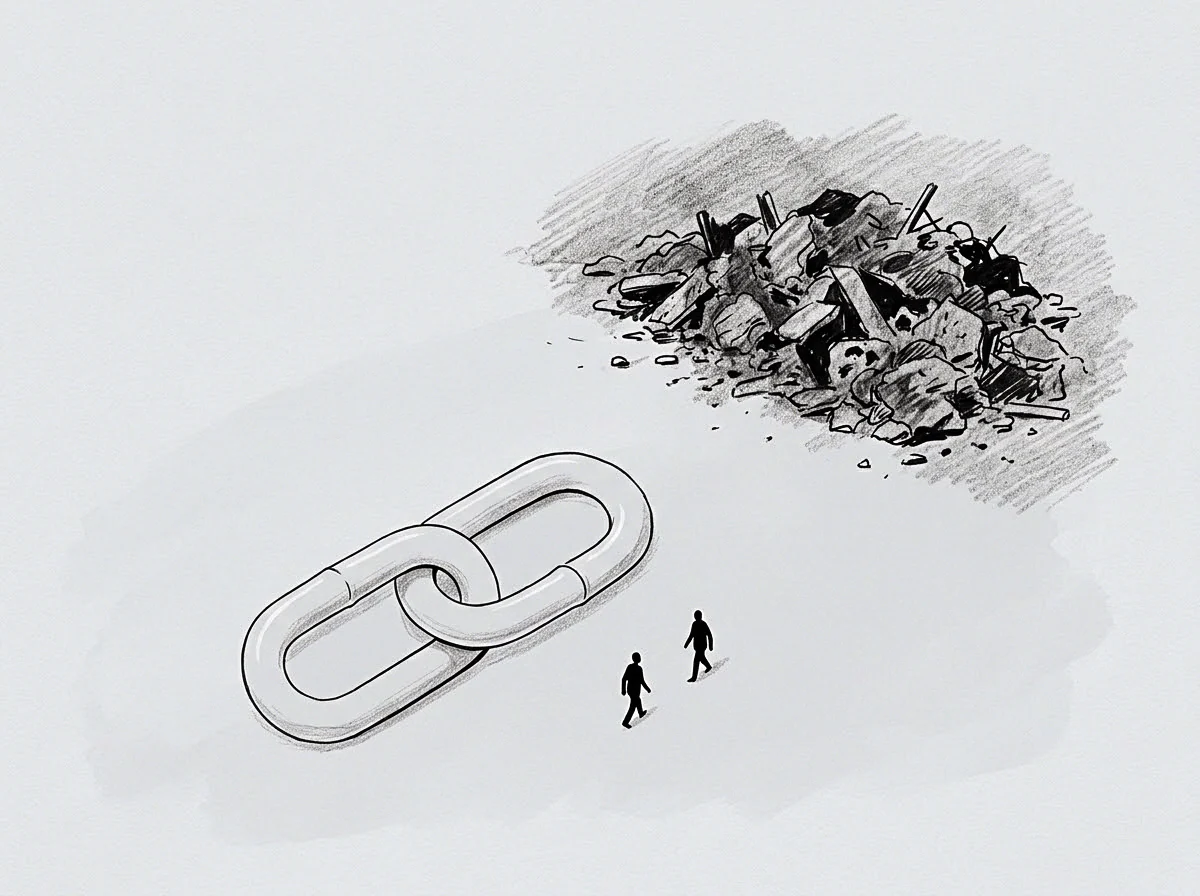
Rebuilding proprietary software under clean room conditions generates a complete chain of title unburdened by prior contributions. Clean engineers implement functional requirements using fresh software architecture, modern frameworks, and independent data structures. This implementation produces an original work of authorship where legal and equitable title vests immediately in the employer entity.
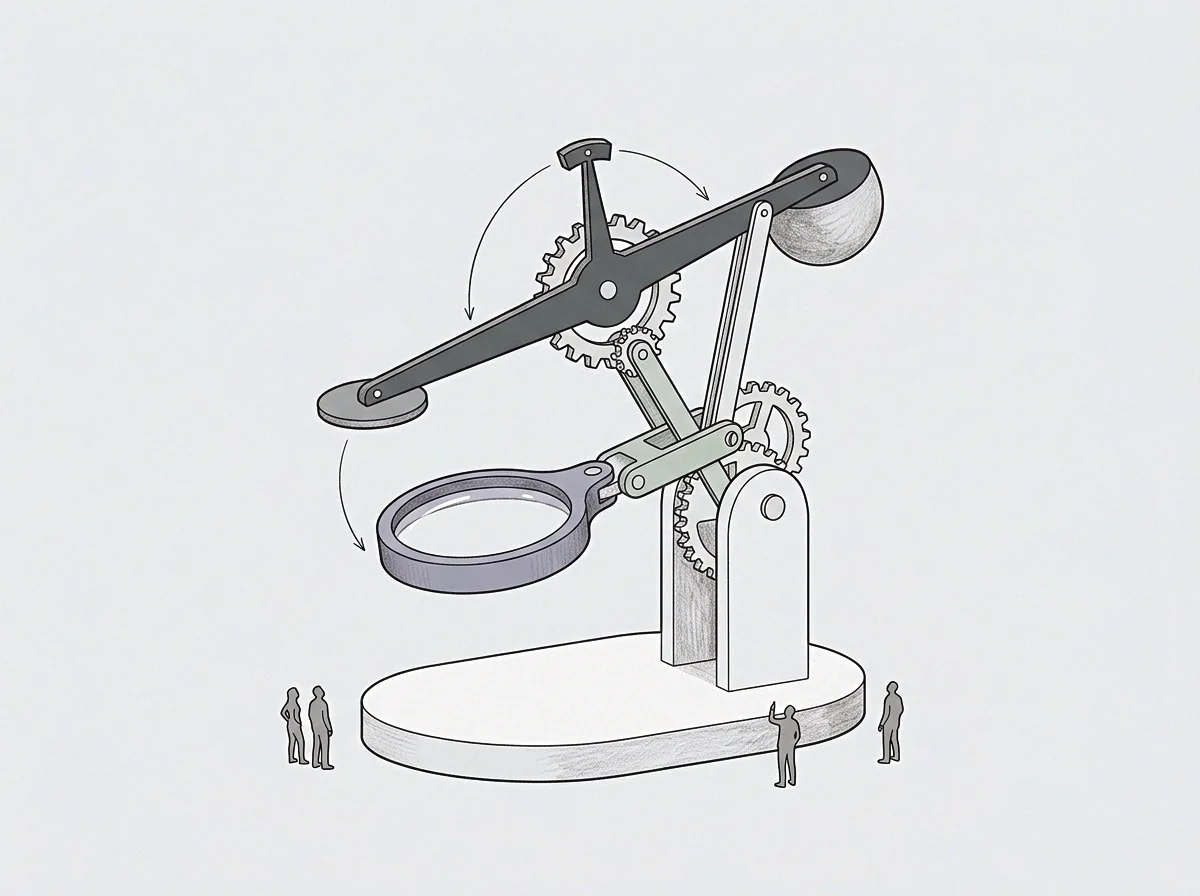
Where Does Equitable Title Cling After Code Rewrites?
In-place code modifications retain original legal expression even when variable names and functions undergo extensive renaming. Traditional software refactoring alters internal structure without modifying external functional behavior, leaving historical commit logs intact. Courts classify in-place code rewrites as derivative works of the legacy codebase, preserving residual equitable title claims held by early unassigned authors.
Tainted code creates ongoing legal risk.
Clean room refactoring replaces legacy code entirely rather than modifying existing software files. By enforcing zero code reuse, the business entity severs legal lineage connecting legacy components to the clean codebase. Independent creation provides a complete defense against copyright infringement and equitable title claims asserted by former developers.
In-place code rewrites retain historical commit histories that preserve residual title claims.
Comparative Protocol Efficiency
Engineers evaluating legacy asset cleanup choose between in-place code rewrites and complete clean room isolation. That choice determines whether residual title defects survive software modernization efforts.
| Protocol Dimension | In-Place Refactoring | Clean Room Refactoring |
|---|---|---|
| Legacy Code Access | Direct developer access to legacy repository | Zero access permitted for clean engineers |
| Author Identity Separation | Same developers modify legacy source files | Strict separation of dirty and clean teams |
| Evidentiary Record | Continuous commit history linked to legacy work | Audited specification transfer logs and clean repos |
| Residual Title Risk | High derivative work liability and equitable claims | Eliminated through proven independent creation |
| Corporate Asset Transfer Readiness | Requires retroactive quitclaim deeds from authors | Immediate transferability with clear title opinion |
The clean repository contains no legacy code.
The choice between refactoring methods directly impacts commercial valuation during corporate financing rounds. Institutional investors reject software assets encumbered by unassigned author claims, whereas clean room refactoring resolves legal encumbrances and satisfies standard corporate warranty representations.
A former developer asserting equitable title across a rewritten system typically argues that original structural logic survives surface-level alterations.
Audit
Verifying clear title requires forensic analysis of repositories, communication channels, and developer activity logs. Independent software auditors compare legacy source code against clean room codebases using static code analysis tools to detect code similarity, matching comments, identical structural bugs, or copied algorithmic logic.
Forensic Verification and Title Certification
Independent IP counsel examines clean room records before issuing clear title opinions to prospective buyers or investors. Counsel reviews dirty team specifications, clean team access logs, legal vetting correspondence, and code similarity reports. A clean title certification confirms that the new software asset represents an independent creation free of residual equitable claims.
The audit trail documents every line.
Removing residual title claims transforms vulnerable software prototypes into clear corporate assets. Clean room documentation serves as defense evidence if early contributors file equity claims years after product release, establishing ownership records that survive acquisition due diligence.
Whether legal counsel can guarantee total immunity against litigation when legacy specification architects pass structural inventions into clean specifications depends on judicial evaluation of patent versus copyright boundaries.