Meaning
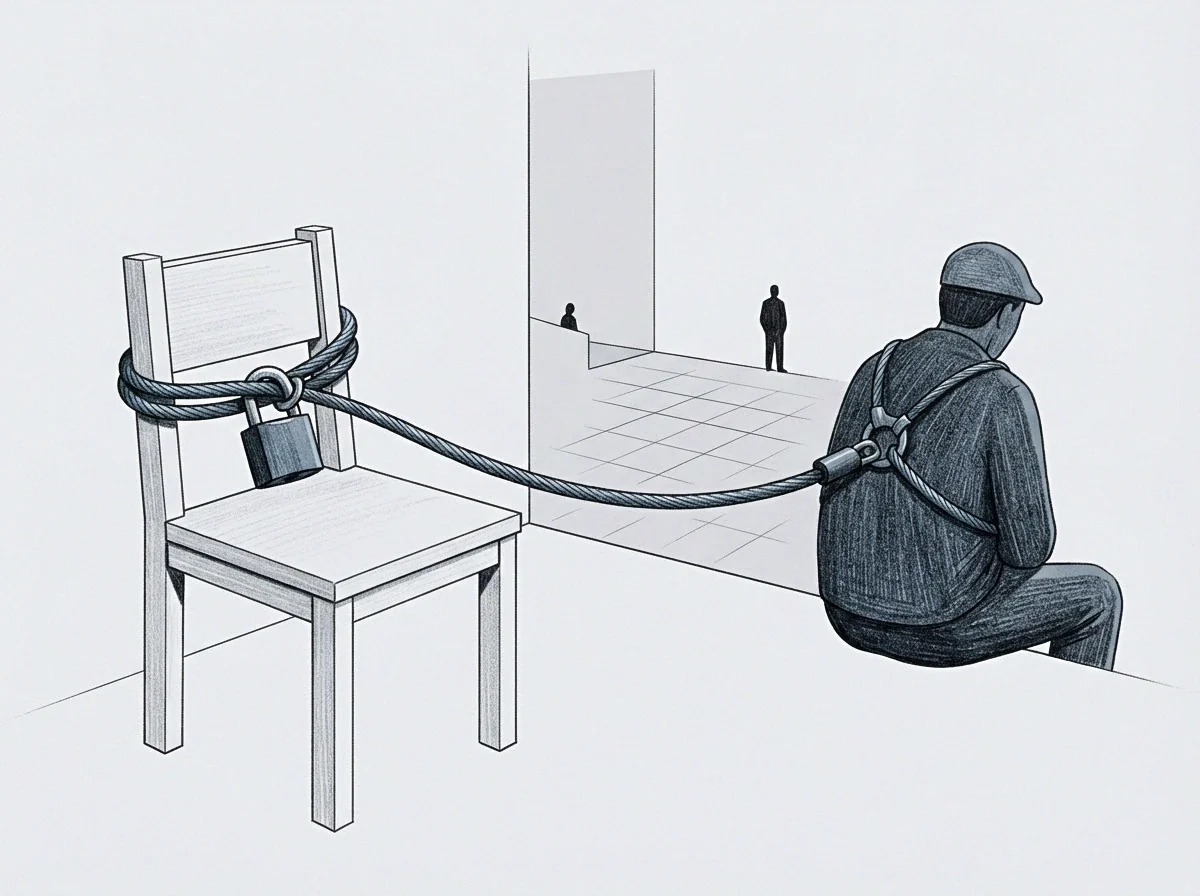
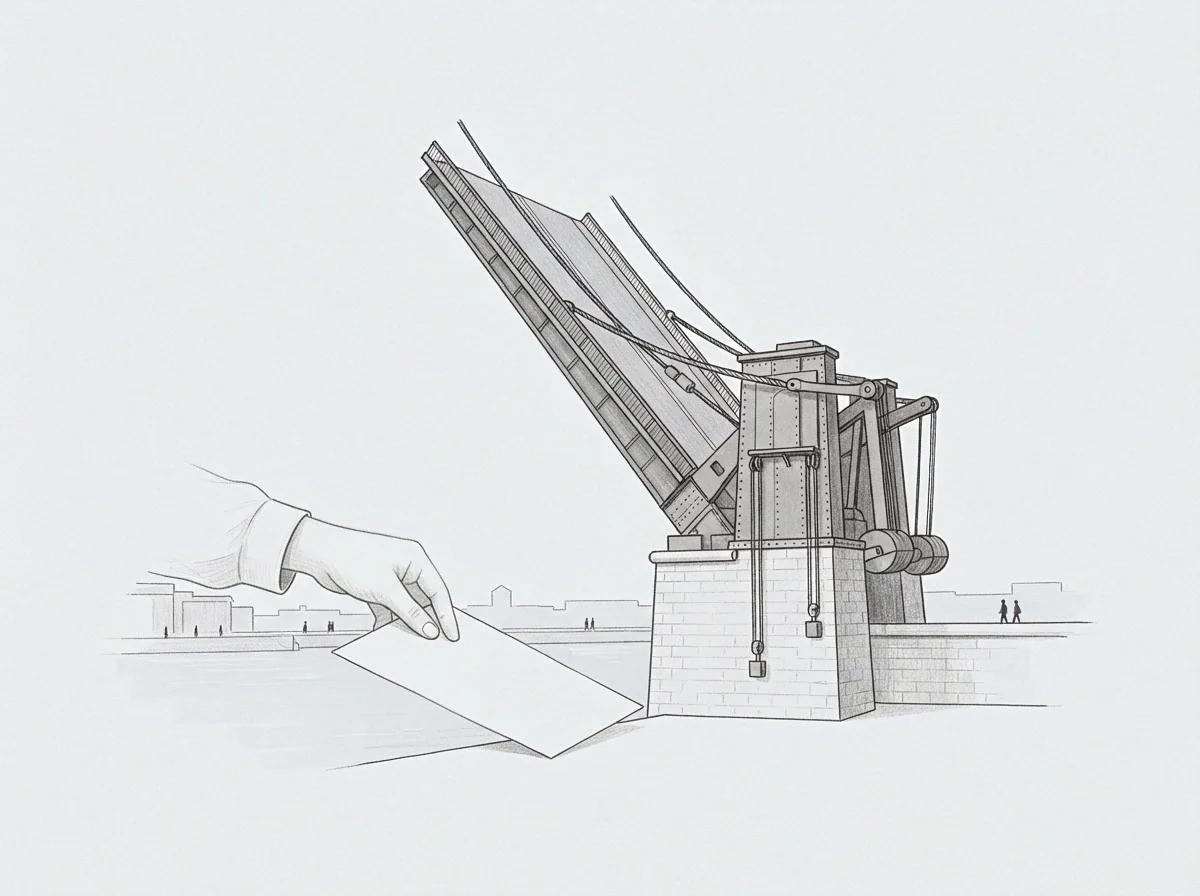
Sequential historical documentation records every successive transfer of ownership for an asset from its initial creation to its current state. A complete chain of title traces each assignment, license, and corporate acquisition to verify that current holders possess unencumbered rights to the underlying intellectual property. The scope of this record extends across all previous contributors, employee agreements, and corporate predecessors.
Proof stops where an unexecuted transfer or missing assignment creates a gap in the historical line.
Provenance Verification
Physical records of transfer establish whether every intermediate owner held valid rights before conveying them downstream. In software transactions, a chain of title relies on signed assignments from early engineers and consulting firms. Gaps in these records prevent subsequent purchasers from claiming clean ownership over the code base.
Break Risk
Missing documentation leaves downstream assignees vulnerable to third party ownership claims. Unsigned contractor forms break the chain.
Audit Threshold
Diligent review of prior transfers requires cross referencing original corporate filings with individual contributor agreements. When a chain of title includes an unrecorded transfer from a dissolved entity, correcting the omission demands confirmatory assignments from former officers. The presence of documented gaps shifts the burden of proof back to the party claiming ownership.