
How Administrative Dissolution Affects Personal Liability During Commercial Contracting
Administrative dissolution revokes entity capacity to contract, creating personal officer liability for interim agreements that reinstatement cannot always cure.

Desk
An officer sits at a desk and signs a four-year commercial real estate lease on behalf of an operating company. Six weeks earlier, the secretary of state changed the entity status from active to administratively dissolved following an unfiled annual report. Neither the landlord nor the signing officer checked the state business registry on the morning of execution.
The lease agreement names the legal entity as the sole tenant, identifies the officer by title, and contains no explicit individual guarantee clause. Business operations continue inside the leased facility while rent payments draft monthly from the corporate checking account. The legal entity vanishes from statutory standing while corporate performance continues.
Administrative dissolution occurs automatically under state corporate codes when an enterprise fails to maintain a registered agent, submit annual state statements, or pay franchise taxes. The administrative order does not shutter physical facility doors or freeze bank accounts instantly. The record changes silently in an online database.
State legal registers control official entity standing. Commercial operations continue uninterrupted until a legal dispute, default, or title search brings the state register status into direct evidence.

Corporate Shield Forfeiture Mechanics
Corporations and limited liability companies exist solely through state statutory authorization. The liability shield protecting personal assets from commercial debt depends directly upon continuous legal existence. State legislation grants limited personal exposure to equity holders and corporate officers on the express condition that the entity maintains statutory compliance.
When an administrative officer revokes the corporate charter, the legal entity loses authority to undertake new prospective commercial obligations. Contracts executed after administrative dissolution bind human signatories when corporate authority fails.
Take an operating venture that contracts for raw materials during a period of uncorrected state forfeiture. Assume two partners built a distribution enterprise generating three million dollars in annual sales. State corporate registers administratively dissolve the LLC on March 15 due to a missing annual report filing.
The chief operating officer signs an equipment agreement valued at four hundred thousand dollars on April 20. The equipment arrives, operates in the warehouse, and accumulates monthly invoicing. The underlying business defaults on payment nine months later.
The equipment supplier files suit naming the chief operating officer individually alongside the dissolved corporate entity.
Courts examining gap period liabilities split over whether an officer’s subjective belief in active legal status shields personal assets when public state records put every commercial party on constructive notice.

Gap
Upon administrative dissolution, an entity’s legal capacity contracts by operation of statute. State corporate legislation restricts dissolved entity actions strictly to acts necessary to wind up business operations, collect assets, discharge liabilities, and distribute remaining equity to members. prospective contracting lies outside statutory winding-up authority. The corporate shield collapses for prospective commercial transactions.
Commercial status in state databases controls corporate liability protections regardless of operational activity inside the facility.
State corporate codes take different legislative approaches to personal exposure incurred during the statutory gap between administrative dissolution and corporate reinstatement.
| Liability Standard | Statutory Knowledge Threshold | Personal Exposure Trigger | Effect of Entity Reinstatement |
|---|---|---|---|
| Strict Liability Standard | Knowledge immaterial | Execution of agreement during dissolution gap | Personal exposure remains active for gap contracts |
| Actual Knowledge Standard | Direct subjective awareness of dissolution | Acting with factual knowledge of entity forfeiture | |
| Constructive Notice Standard | Public state registry record publication | Purporting to act when state record shows dissolution | Reinstatement leaves gap torts and contracts exposed |
| Retroactive Validation Standard | Good-faith belief in corporate status | Fraudulent or intentionally void contracting | Reinstatement cures gap liabilities retroactively |
Statutory gap liability functions through immediate corporate incapacity. When an officer signs a commercial lease, equipment purchase order, or credit line during an administrative forfeiture, state corporate law treats the contract as executed without corporate authority.
- Unauthorized Principal Signature creates immediate exposure for the signing officer because an administratively dissolved entity lacks capacity to grant agent authority for prospective business transactions.
- Pierced Corporate Defense occurs when commercial counterparties sue individual signatories directly under statutory promoter provisions and bypass the asset-stripped entity shell.
- Unenforceable Counterparty Obligations arise when a vendor disaffirms a contract entered during dissolution, alleging the dissolved business lacked capacity to form a binding mutual agreement.
Corporate officers who contract during an uncorrected dissolution period expose individual real estate, personal investment accounts, and personal earnings to direct commercial judgment enforcement.
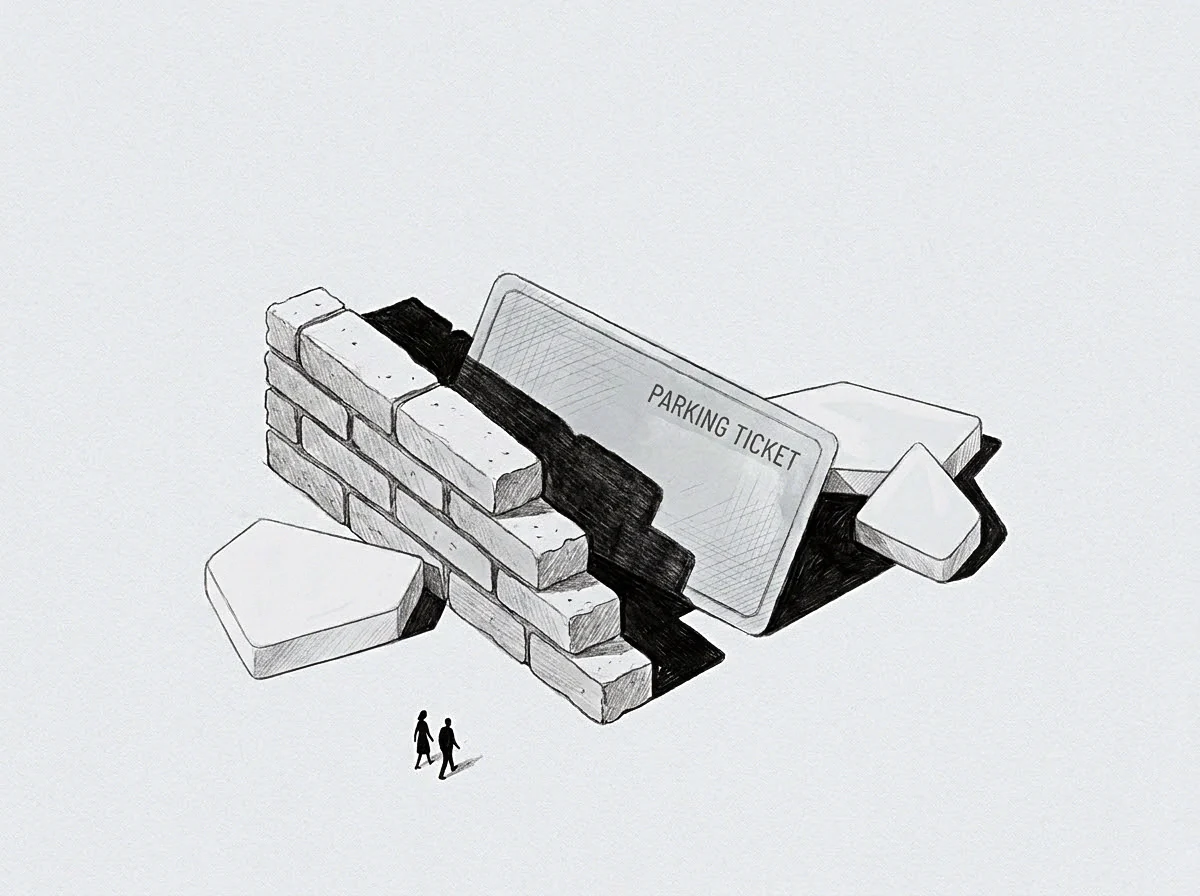
Agent
Agency law dictates that an agent acting on behalf of a non-existent or fully incapacitated principal becomes a direct party to the executed contract. Restatement Third of Agency Section 6.04 dictates that a person purporting to make a contract on behalf of a principal known to be non-existent or lacking capacity incurs direct contractual liability. Model Business Corporation Act Section 2.04 enforces joint and several personal liability on all persons purporting to act as or on behalf of a corporation, knowing that no valid incorporation or charter exists.
The signature binds personally. Statutory standards pivot upon the officer’s knowledge state at the exact moment of signature execution. Courts examine written correspondence, corporate accounting records, and official state mail notifications sent to the registered office address to establish whether the officer possessed actual knowledge of dissolution.
State laws applying constructive notice treat public business register postings as universal legal notice, eliminating the requirement to prove actual personal knowledge.
An explicit contract signature line listing corporate title fails to shield personal assets when state law treats the signatory as an agent acting without a legal principal.
Consider the legal argument brought by a commercial landlord suing an individual officer post-default. The landlord argues that the entity named in the contract had no legal existence on the signing date. Agency rules govern signatures.
The landlord asserts that because the officer knew or should have known of the statutory forfeiture published on the state web registry, the officer acted as an independent contracting party. The corporate title under the signature line becomes descriptive text rather than a liability shield.
Credit was extended to a functional business organization, and because no legal entity existed on the contract date, the individual who signed the agreement pays the outstanding balance personally.
Cure
Reinstatement statutory mechanisms allow administratively dissolved entities to restore active legal standing by filing delinquent annual reports, paying back taxes, and satisfying state statutory fees. State corporation acts routinely contain a relation-back provision. This provision dictates that upon official reinstatement, the corporate standing relates back to and takes effect as of the effective date of the administrative dissolution.
When Does Entity Reinstatement Fail to Void Personal Exposure?
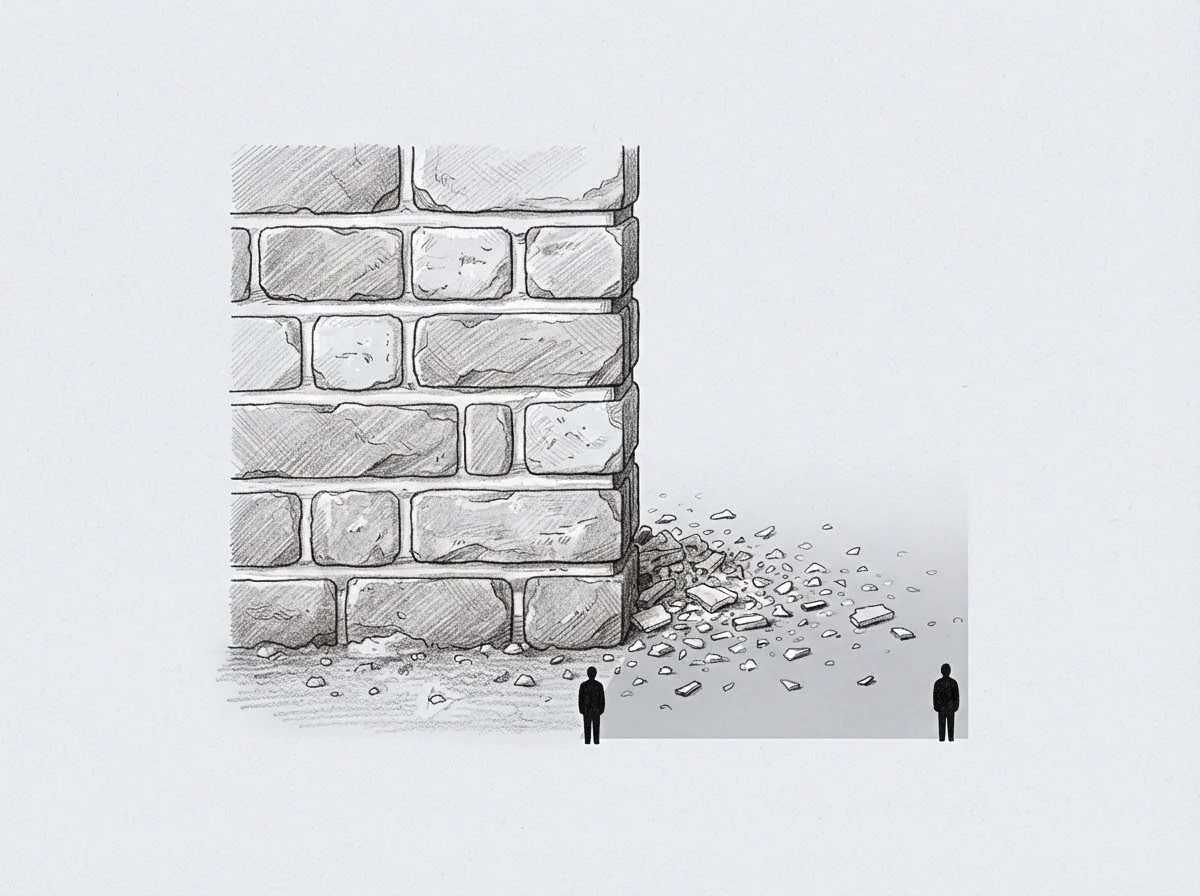
The relation-back doctrine legalizes corporate actions taken during administrative forfeiture as if dissolution had never taken place. Jurisdictions divide sharply regarding whether relation-back automatically extinguishes personal officer liability accrued on gap-period contracts. Reinstatement provides retroactive authority.
Certain state courts hold that relation-back clears individual signatories of personal exposure, transferring all liability retroactively back to the restored entity.
Other jurisdictions recognize a third-party vested rights exception. When an unpaid commercial counterparty files suit against an individual signing officer prior to official reinstatement, personal cause of action rights attach. Judicial precedents in those states prevent retroactive corporate reinstatement from extinguishing accrued personal claims held by third parties who contracted in good faith.
- State office issues administrative dissolution order following ninety days of delinquency on statutory annual filings.
- Corporate officers execute commercial contract with vendor while state register lists entity charter as revoked.
- Vendor identifies legal invalidity of entity signature during payment default and files personal claim against signing officer.
- Officer files delinquent reports and pays back fees to secure retroactive corporate reinstatement from state authorities.
- Court evaluates whether relation-back doctrine retroactively legalizes signature or leaves personal liability intact for accrued third-party claims.
Retroactive entity reinstatement restores corporate power forward and backward, provided third-party legal claims against individual officers have not already attached.
A statutory savings clause protecting third-party vested rights converts an otherwise automatic retroactive corporate reinstatement into a conditional shield that leaves gap-period personal claims open for judicial resolution.

Loss
The cost of administrative dissolution shifts rapidly from state compliance filing fees to personal wealth exposure. Commercial creditors gaining judgment rights against an officer personally gain access to personal banking relationships, real estate liens, and salary garnishment tools. The corporate shield ceases functioning as a matter of state public policy when statutory mandates go ignored.
Third parties retain rights. Commercial risk management requires operational controls over state legal standing. Corporate registries dictate capacity.
Operating companies prevent gap liability by establishing automated calendar tracking for state annual reports, confirming registered agent validity, and running public database checks on entity standing prior to executing major commercial contracts.
A state registry standing check prior to contract execution costs ten minutes and prevents personal asset exposure across multi-year commercial commitments.
Signatories protect personal assets by including explicit warranty terms in high-value commercial agreements stating that the agreement takes effect only upon active corporate standing, or by verifying standing before signature execution. When an administrative dissolution surfaces during active contract performance, immediate statutory reinstatement halts the accumulation of ongoing unratified gap commitments. Compliance audits prevent exposure.
Systematic compliance audits of state corporate filings eliminate the administrative gap entirely, ensuring that signature blocks reflect active legal capacity before commercial obligations bind the enterprise.