
Determining Intangible Property Rights When Adverse Operational Possession Intersects Lapsed Corporate Governance Charters
Adverse operational possession of intangibles ripens into possessory title when an operator maintains exclusive, open custody beyond statutory wind-down limits.
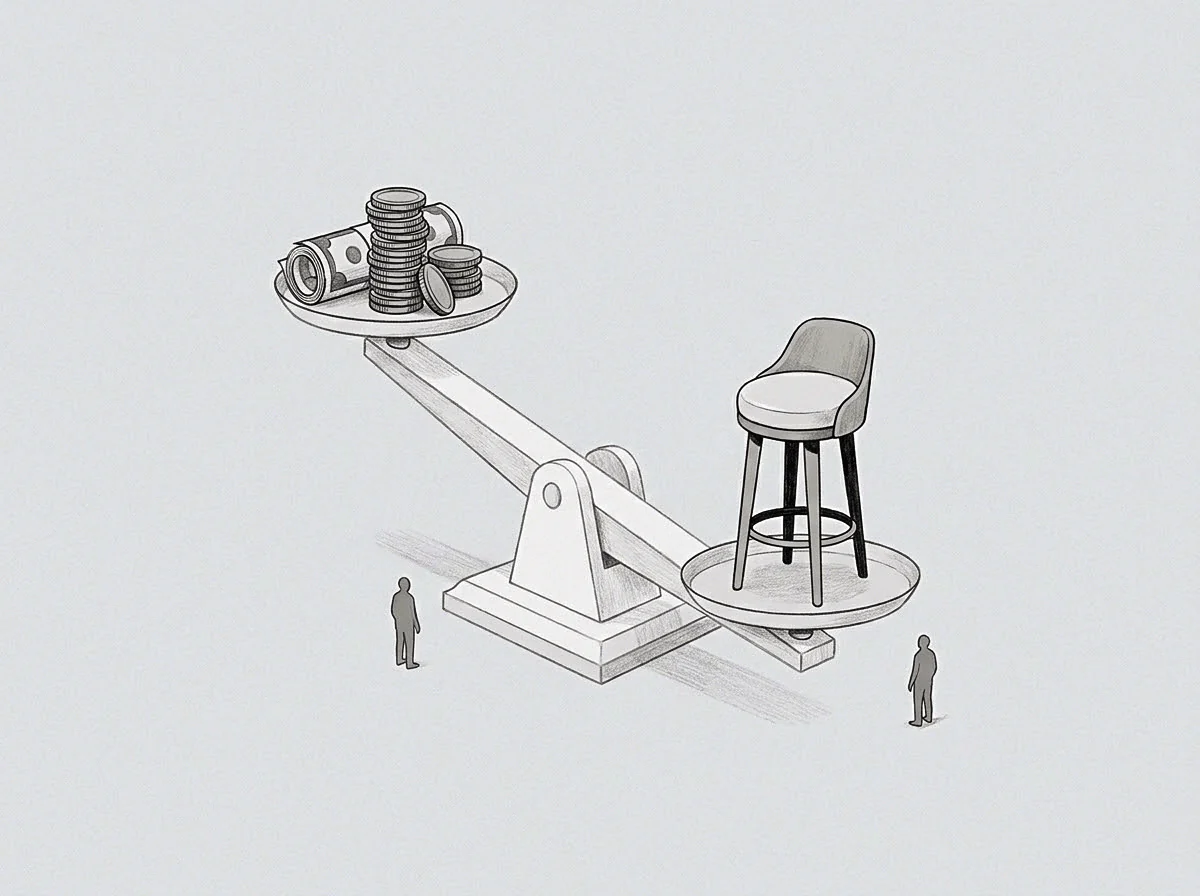
Shell

Corporate Incapacity and Continued Custody
Entity registration gives a company standing to assert property claims in state courts, but control over intangible assets, such as application source code, domain registries, deployment pipelines, and encryption keys, stays with whoever holds active credentials. When an administrative agency revokes a corporate certificate for non-payment of franchise taxes, the formal organization enters statutory suspension.
A suspended corporate entity loses the procedural capacity to initiate litigation, execute asset transfers, or defend ownership claims. Technical staff frequently remain at their workstations, unaware of or indifferent to state filing delinquencies. The operator pays server hosting bills from a personal bank account, answers customer inquiries, and updates repositories without board intervention.
Legal title sits in an inactive administrative shell while physical operational control continues uninterrupted.
Administrative forfeiture strips corporate standing to sue in state courts, leaving dormant intellectual property vulnerable to possessory preemption by active custodians.

Statutory Dissolution Windows
State survival statutes strictly limit how long a dissolved company lingers after forfeiture. Under standard corporate preservation provisions, a dissolved business entity retains a truncated legal existence for three years solely to prosecute existing actions, discharge liabilities, and distribute remaining assets to equity holders. When those three years expire without corporate revival, formal corporate capacity terminates permanently.
Directors lose statutory authority to convene or convey company assets.
Intangible assets left unassigned during this statutory period occupy an unstable legal environment. Officers who failed to formalize intellectual property assignments during active governance cannot execute valid instruments years later. An executive attempting to sign an asset transfer five years after charter forfeiture holds no recognized authority.
Attempting to retroactively assign intangible assets through invalid post-dissolution signatures exposes the buyer to total loss of title while triggering personal liability claims from disenfranchised shareholders.

Grip
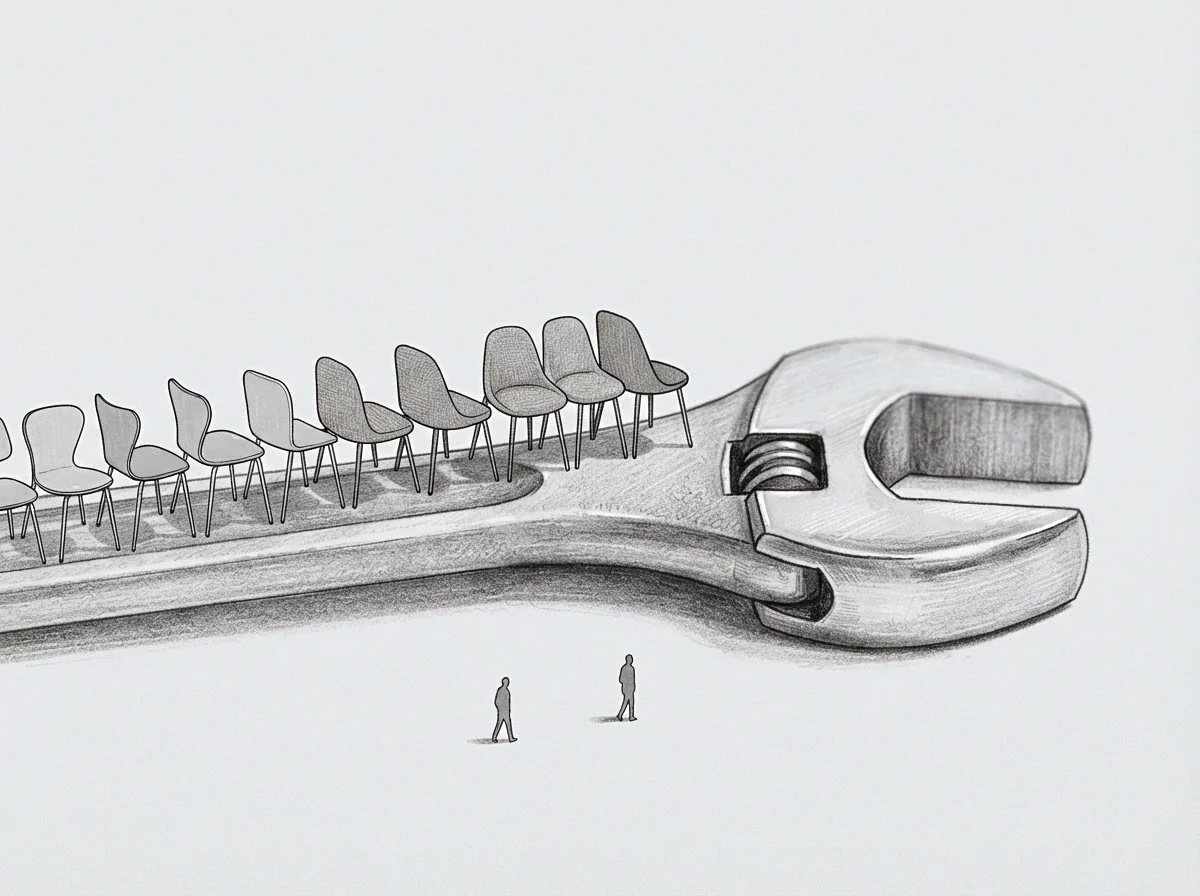
Hostile Custody Over Digital Repositories
Common law conversion requires an unauthorized act that deprives an owner of personal property. Applying possessory property doctrines to non-physical property introduces distinct evidentiary hurdles. Intangible assets exist as records, permissions, and digital sequences stored across decentralized servers.
Establishing adverse operational custody requires observable, exclusive, and hostile exercise of control over those digital sequences.
Hostility in property law does not denote anger. Hostility requires an exercise of dominion inconsistent with the rights of the true owner under an open claim of right. When an engineer changes root passwords, updates secure shell keys, redirects administrative notification emails to a private domain, and signs vendor contracts directly, that operator performs an open act of dominion.
- Exclusive credential rotation eliminates historical administrative access and establishes an unambiguous date of unilateral control over the digital assets.
- Independent commercial exploitation demonstrates open deployment of source code or trade secrets under the operator’s personal tax identifier rather than the defunct corporate entity.
- Personal infrastructure maintenance ties ongoing operational survival directly to private financial outlays, creating an unbroken chain of operational investment.
Custody of private deployment keys ripens into legal conversion whenever an operator rejects access requests from former corporate directors after statutory wind-down periods expire.

Ouster of Inactive Governance
Corporate directors often assume that historical employment contracts permanently secure company ownership. Under the doctrine of adverse operational possession, explicit repudiation of an owner’s rights triggers the running of the personal property statute of limitations. This repudiation functions as an ouster.
An operator who informs former executives that the platform code is now maintained privately establishes the start date for adverse dominion.
An express refusal to surrender access tokens or customer databases sets an unyielding clock running against the inactive entity. If the corporate board fails to bring an action for replevin or conversion before the statutory clock expires, judicial relief becomes unavailable. A stated refusal clause delivered by email converts permissive possession into hostile occupation on the day sent.

Toll

Whose Claim Extinguishes First Under Administrative Dissolution?
Conflicting statutory deadlines govern the collision between adverse possession of intangibles and charter forfeiture. The statute of limitations for personal property conversion typically runs between two and six years depending on state jurisdiction. Simultaneously, the corporate survival period typically terminates three years following charter forfeiture.
When an operator exercises hostile custody while the corporate entity is suspended, the two clocks run concurrently.
If the corporate charter lapses and remains unrevived during the three-year wind-down period without objection or legal action from the board, the corporate entity cannot maintain a conversion action in court. Former directors lack individual standing to bring direct actions for harm done to the corporate entity.
| Asset Class | Operational Custody Reality | Governance Title Record | Extinguishment Window |
|---|---|---|---|
| Software Repositories | Private control of authentication tokens and hosting accounts | Defunct company listed as entity in initial copyright notices | Three years post-forfeiture corporate wind-down |
| Domain Name Registrations | Individual administrative contact paying registrar annual fees | Suspended corporate name recorded in public registry records | Contractual registry expiration plus statutory conversion limitation |
| Proprietary Client Data | Active operational querying and deployment by current staff | Original service agreements executed under lapsed corporate seal | Two to four years under uniform trade secrets provisions |
| Registered Trademarks | Continuous commercial branding on active customer-facing apps | Federal register lists dead corporate entity without section eight filings | Three consecutive years of corporate non-use creating abandonment |
Defunct entities frequently attempt late-stage revival through back-tax payments to retroactively validate an infringement lawsuit. In many jurisdictions, corporate revival validates prior corporate acts yet cannot strip third parties of property defenses that ripened during the period of corporate death. The operator who held continuous, open, adverse operational possession through the entire survival window retains possessory title against the revived entity.
An initial capital contribution asserts perpetual ownership, while the lapse of corporate capacity and the running of statutory limitations extinguish that ownership over time.

Box

Physical Infrastructure as Evidentiary Anchor
Digital property disputes ultimately resolve upon physical evidence. Servers reside in discrete geographic facilities, network traffic routes through physical fiber lines paid for by identifiable credit cards, and continuous hosting invoices paired with access logs fix the timeline of custody.
An operator asserting adverse possession over intellectual property presents hardware purchase receipts, co-location lease contracts, and payment records for software licenses. When a company dies administratively, third-party infrastructure vendors purge accounts whose invoices go unpaid. The operator who pays those invoices prevents the destruction of the intangible asset.
That payment record constitutes direct evidence of continuous possessory maintenance.
Records created during an active dispute carry less evidentiary weight than automated server billing entries filed while the entity decayed.

Reconstructive Recollections in Governance Disputes
Human memory systematically reconstructs historical commitments to serve current self-interest. Former board members who abandoned an insolvent company remember their equity as vital and persistent once the surviving operator makes the product viable. Assertions of an unwritten understanding or an informal leave of absence stand against years of administrative absence, and unrecorded conversations carry negligible evidentiary value when set against a timestamped server log.
Commit histories preserved within version control systems provide unalterable records of who maintained the asset, who deployed updates, and who resolved security failures. These records demonstrate continuous exercise of dominion. An unwritten recollection of ownership yields to unbroken automated records of operational possession.

Reversion

Escheat and Residual Shareholder Equity
When an incorporated enterprise dissolves and abandons property, residual rights run into state sovereign claims. Intangible assets that remain unassigned and uncontested do not vanish into thin air. In common law jurisprudence, ownerless property falls to the state under principles of escheat and bona vacantia.
The engineer holding the administrative credentials often outlasts the company that paid for the initial patent filing.
An operator occupying the asset prevents true abandonment by maintaining commercial use. If no adverse possession claim is established, undistributed corporate property passes to shareholders as tenants in common. This tenancy in common creates a fragmented ownership structure where dozens of former investors hold undivided fractional interests in a software platform they cannot operate.

Quiet Title Actions for Intangible Assets
The party operating the asset eventually requires clean, marketable title to secure venture capital, execute licensing deals, or sell the platform. Operating on bare possessory custody leaves substantial commercial vulnerability. The operator achieves commercial certainty by filing an action to quiet title or seeking a declaratory judgment against the dissolved corporation, its former directors, and unknown claimants.
A quiet title action for intangible property forces all potential historical claimants to assert their rights inside an evidentiary setting. Notice by publication satisfies service requirements for defunct corporations whose registered agents resigned years earlier. If former shareholders fail to intervene and defend the corporate property before the court, judicial decree extinguishes historical claims and awards sole legal title to the possessor.
Whether state courts will expand traditional real property adverse possession doctrines to grant clean title over unabandoned software copyrights remains unsettled.