Meaning
Permanent inscription describes an indelible record carved into a physical medium or locked in a protocol from which erasure or alteration remains mathematically or physically impossible. This immutable mark provides founders with an unassailable point of reference when operational memories fade or commercial relationships fracture. A cryptographic ledger entry or a chiseled stone inscription fulfills this function by resisting any subsequent pressure to rewrite history.
The boundary of this mechanism stops at the edge of the medium itself, where external physical destruction can still obliterate the sign but software patches or unilateral edits cannot reach it.
Physical Substrate
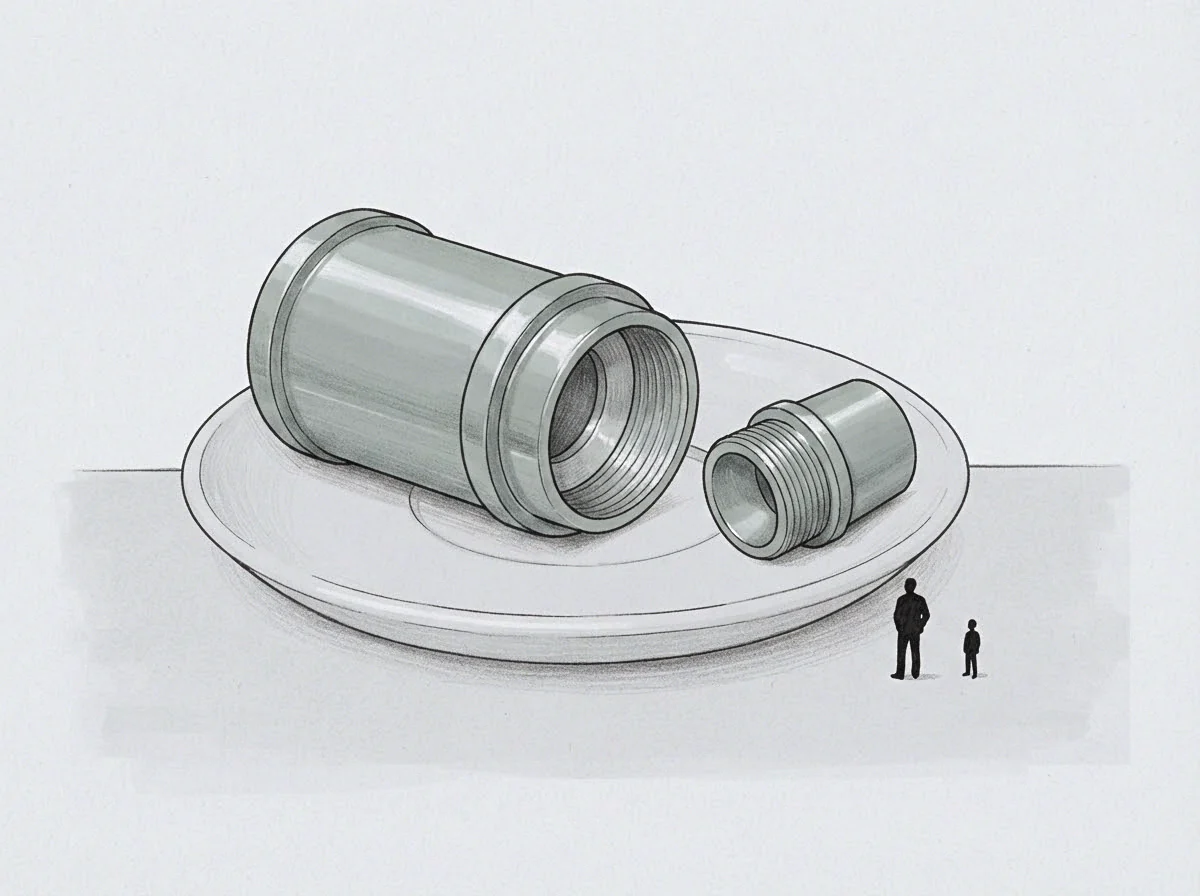
Hardened silicon or annealed metal serves as the physical housing for permanent inscription. Founders select these enduring materials to prevent downstream tampering by disgruntled partners or shifting management teams. A laser etching on a titanium plate outlives paper contracts and magnetic disks alike.
Exposing the medium to excessive heat or corrosive acids destroys the evidence entirely rather than permitting a clean modification.
Protocol Lock
Network consensus rules enforce permanent inscription within distributed databases through cryptographic hashing. Each new transaction block chains mathematically to the preceding entry, making historical revision computationally prohibitive. Modifying a single historical character invalidates every subsequent hash in the chain, immediately alerting the network to tampering.
System participants reject corrupted nodes automatically without requiring human intervention or administrative arbitration.
Dispute Resolution
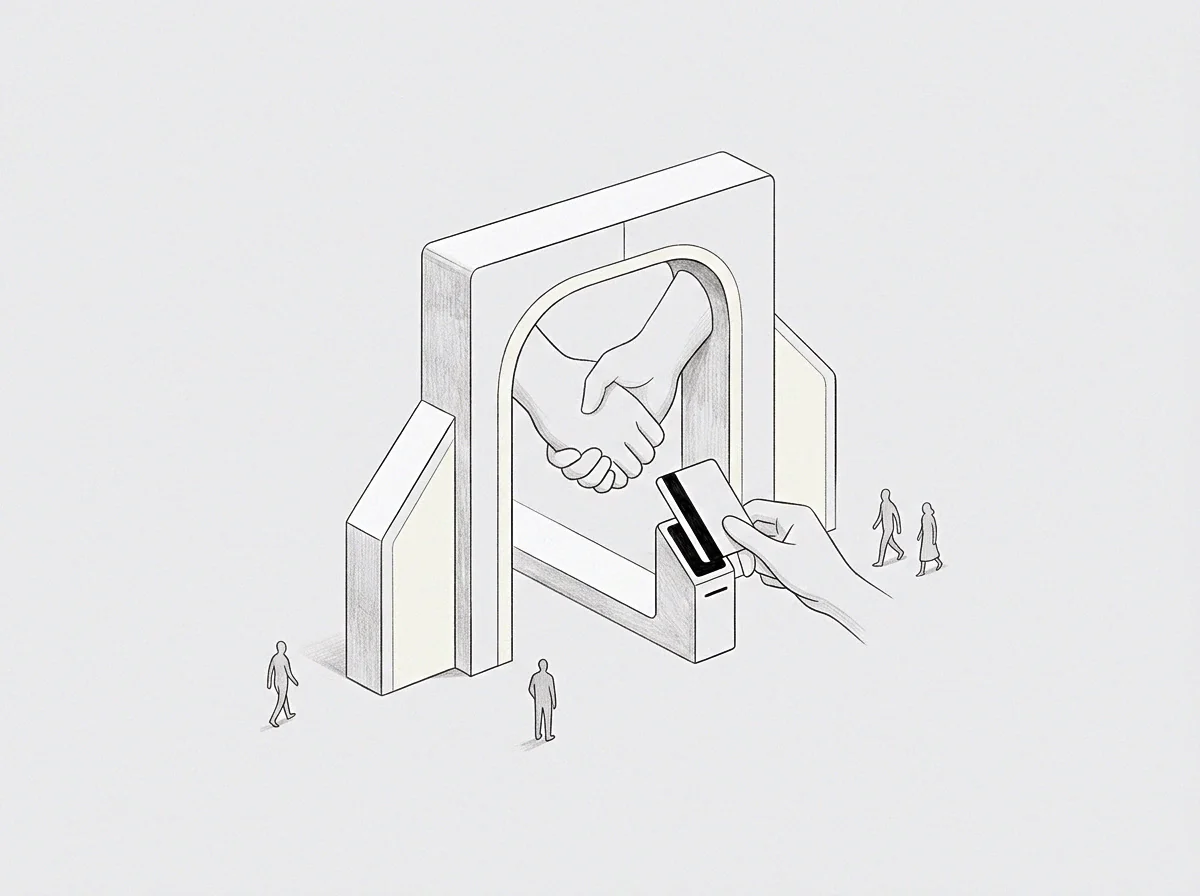
Unalterable records bypass subjective recollections when founders disagree over past commitments. A dated, hashed timestamp establishes precedence over conflicting verbal testimonies from different stakeholders. Investigators inspect the immutable record directly to verify the exact sequence of events without interviewing witnesses whose memories drift over time.
This conclusive proof reduces the hours spent in operational paralysis during governance deadlocks.