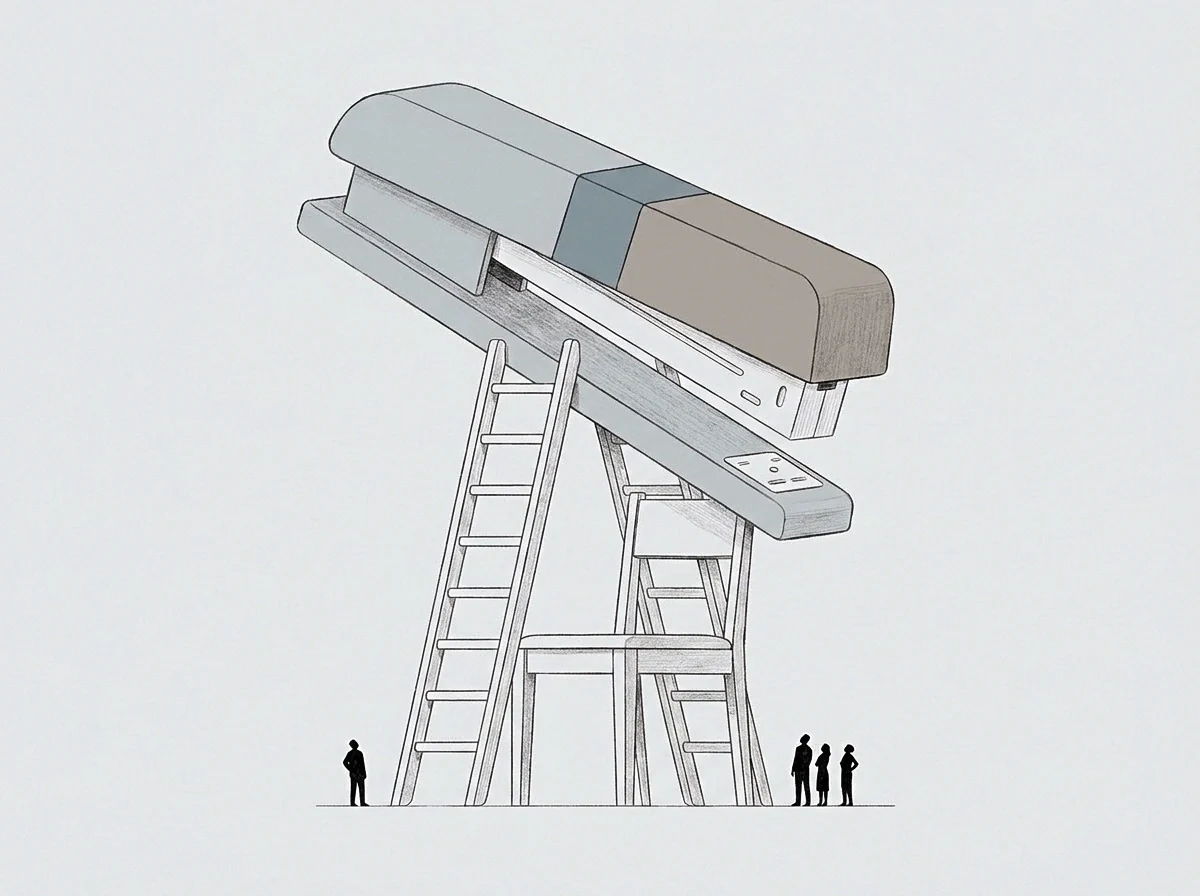
Meaning
Neglect to assert a right or claim in a timely manner bars a party from obtaining equitable relief in a court of law. This legal defense, known as laches, prevents individuals from bringing stale claims after unreasonable delays have occurred. The doctrine rests on the maxim that equity aids the vigilant, not those who slumber on their rights.
It operates independently of statutory limitation periods.
Defense Applicability
Prevention of unfair litigation tactics governs the deployment of this equitable shield. In post-acquisition disputes, laches can be asserted by a buyer or founder when the other party delays raising a breach-of-contract claim for several years despite knowing the facts early on. The defense requires showing both that the delay was unreasonable and that the defending party suffered a disadvantage as a result.
This makes it a valuable tool for securing corporate closure after a transition.
Prejudice Proof
Demonstration of material disadvantage to the defending party is required to establish the defense. Under the doctrine of laches, the delay must have caused the loss of evidence, the death of witnesses, or a change in financial position that makes a remedy unfair. For example, if a founder sits on a claim while the new owners invest heavily in the business, a later claim is deemed prejudicial because it exploits the value added during the period of silence.
This defense fails if the claimant can show a valid reason for the delay, but the burden remains on the defender to show that the lapse of time altered their ability to mount a fair defense.
Record Preservation
Documentation of early knowledge and subsequent inaction provides the evidence needed to support or defeat the defense. To assert laches successfully, the defending party must present dated emails, board minutes, or letters showing when the claimant first became aware of the disputed issue. Without these contemporary records, proving that the delay was both unreasonable and prejudicial is difficult.
Keeping thorough archives after the sale of a business protects both parties from the financial costs of late-career lawsuits.