
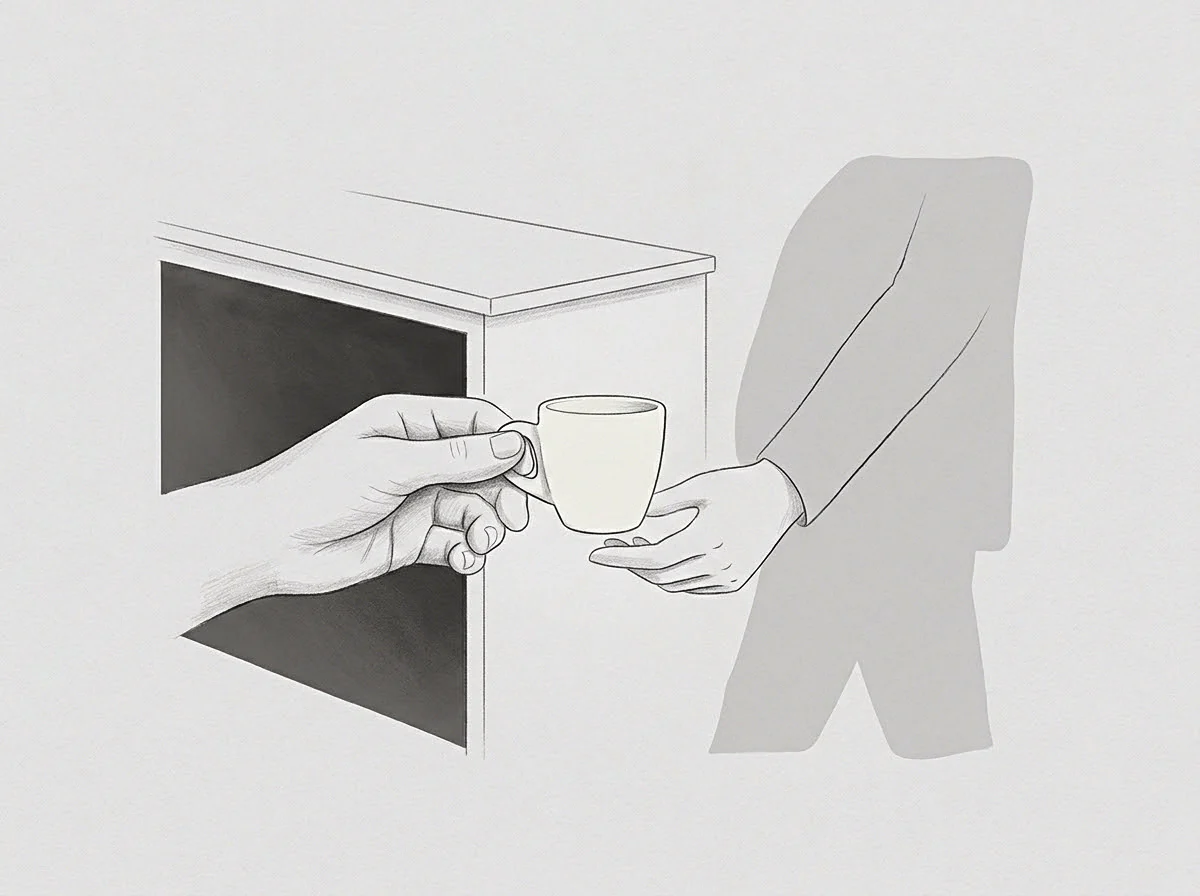
Reconciling Unrecorded Spoken Authorizations Against Write Once System Records
Unrecorded spoken authorizations are reconciled against write once records by appending signed, timestamped attestation memos and forward looking offset entries.
Unrecorded spoken authorizations are reconciled against write once records by appending signed, timestamped attestation memos and forward looking offset entries.
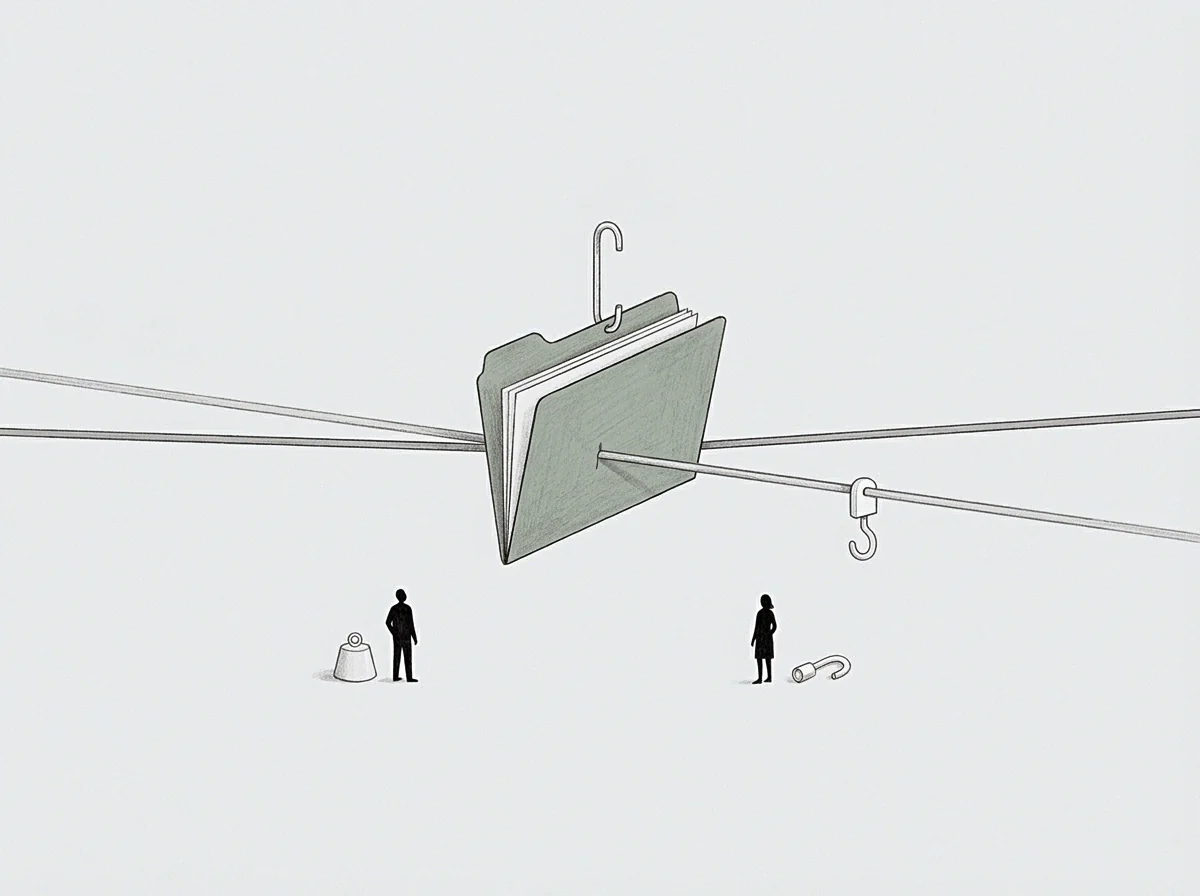
A private digest anchor proves document existence at a set date but fails to prove mutual assent against a subsequent integrated vesting agreement.

A cryptographic hash creates an unalterable digital fingerprint of an early equity memorandum to establish immutable temporal proof of founding intent.

Cryptographic hashes and Merkle tree roots anchored to public consensus ledgers provide unalterable mathematical proof of file existence before specific dates.

Software verification computes a cryptographic hash over downloaded files to confirm binary integrity against an authenticated publisher reference string.

Cryptographic timestamp verification binds document hashes to external temporal witnesses, proving historical authenticity without subjective memory.

A repository commits cryptographic hashes of dated contributions to immutable ledgers, proving authorship without relying on reconstructed memory.
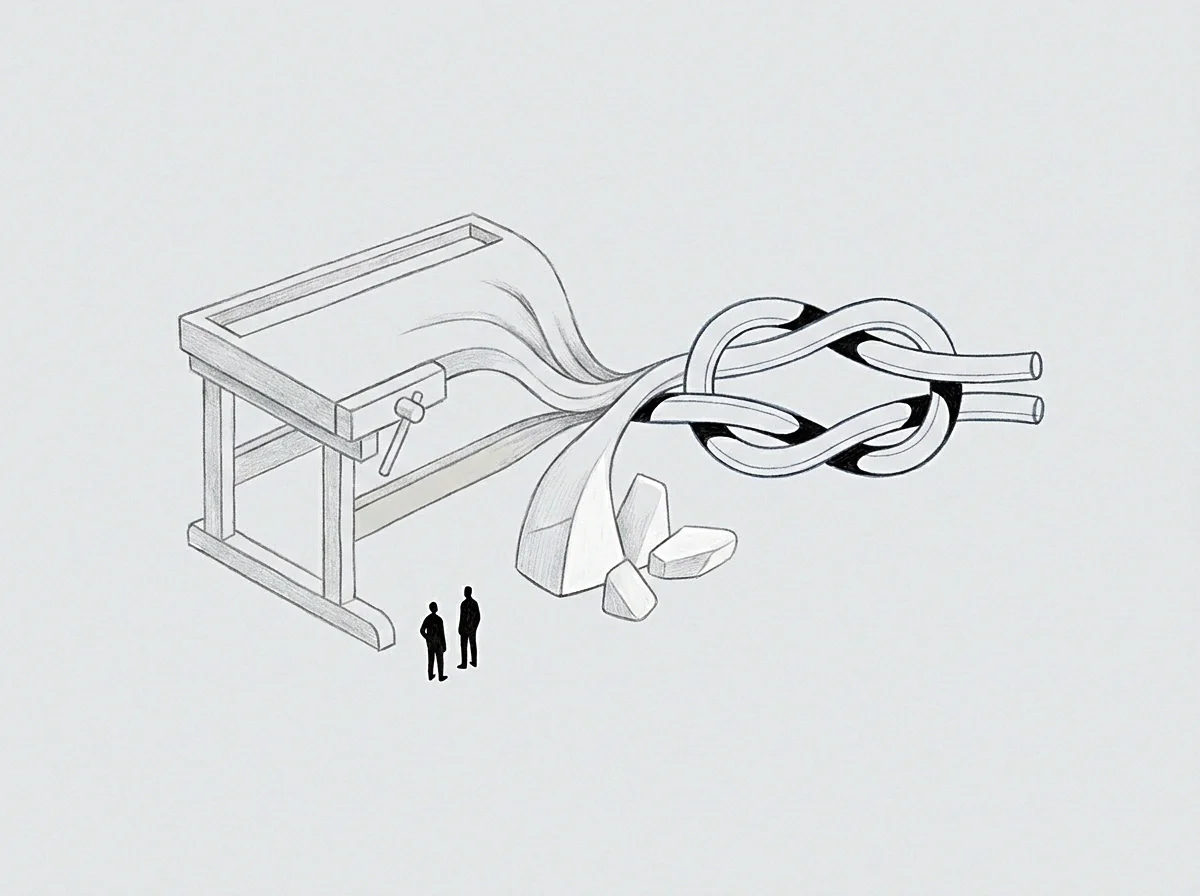
Local message preservation extracts encrypted chat stores to write-once storage media, hashing raw database files to prove unaltered historical communications.

Informal chat exports protect equity splits only when converted into immutable files through cryptographic hashing and structured contextual parsing.

Contemporaneous informal communication logs provide objective evidence of mutual assent and intent that overrides reconstructed recollections in equity disputes.
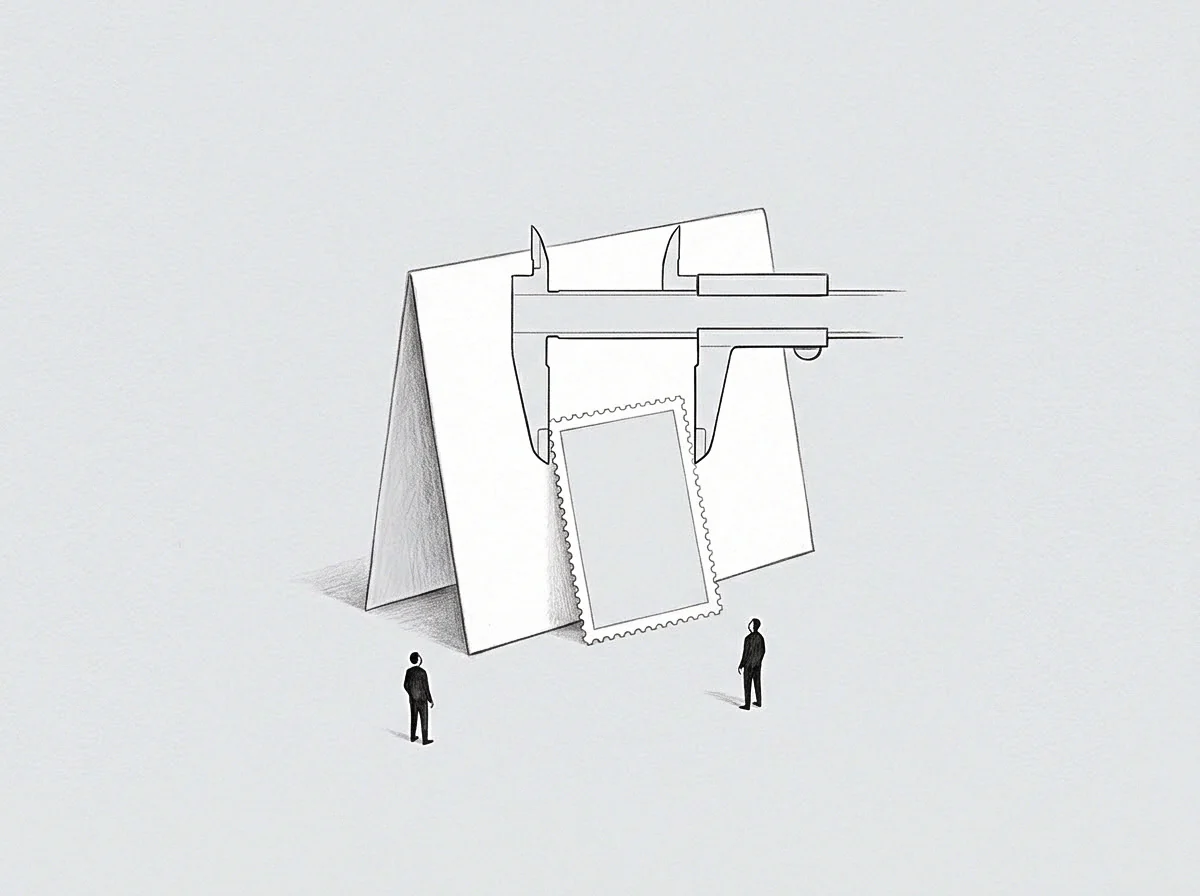
Timestamp integrity in unwritten equity disputes establishes whether digital message sequences prove enforceable reliance or non-binding negotiation.
Executed shareholder agreements supersede prior spoken recordings through integration clauses unless acoustic proof establishes fraudulent inducement.
Consensus timestamps provide cryptographic proof of contract state and execution timing, defeating oral parol evidence claims under integrated contract rules.
Common law parol evidence rules restrict extrinsic timestamps, while international forums evaluate metadata to establish contract integration and timing.
External cryptographic verification binds document hashes to public ledgers, proving record existence and integrity independent of corporate IT control.
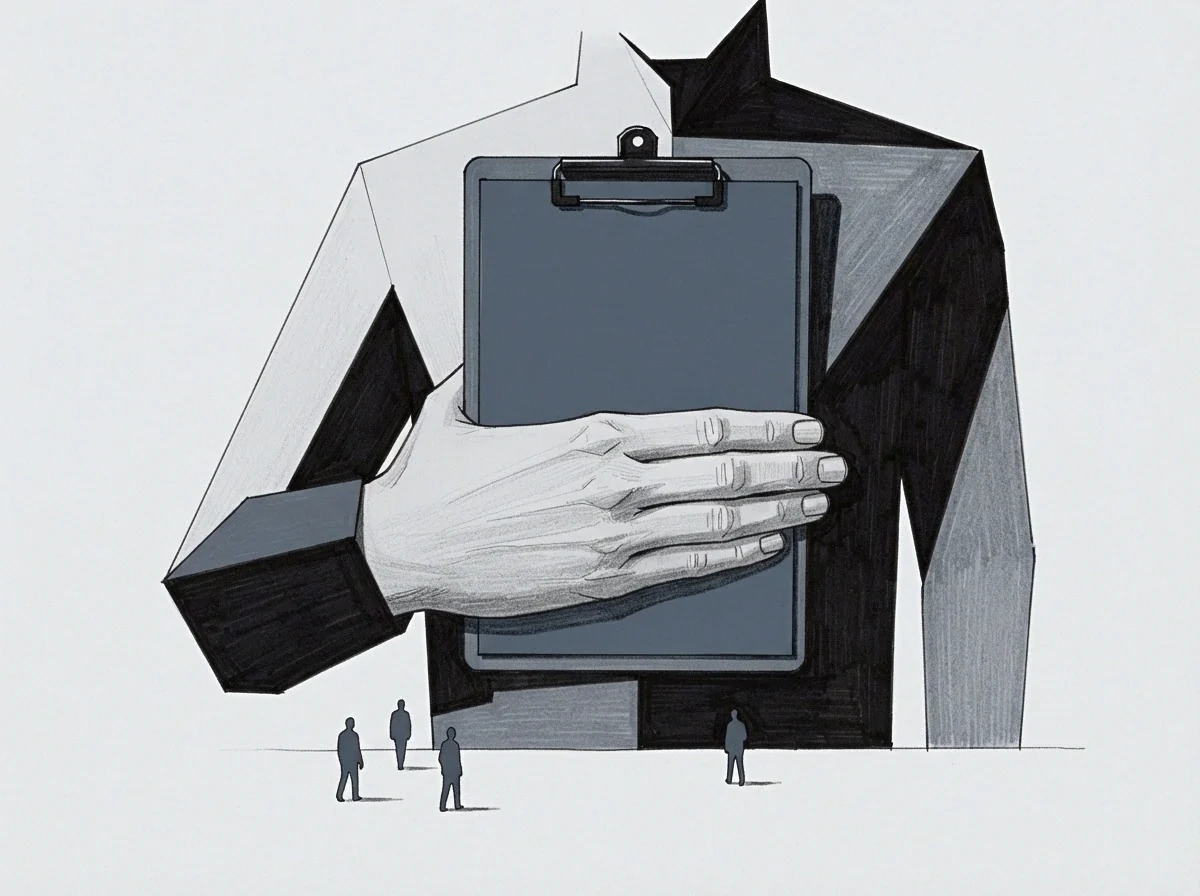
Unilateral operational documentation establishes contemporaneous timestamped proof of board notice and commercial necessity during director paralysis.

Preserving digital chat records for equity splits relies on cryptographically hashed platform exports that verify contemporaneous commercial terms.
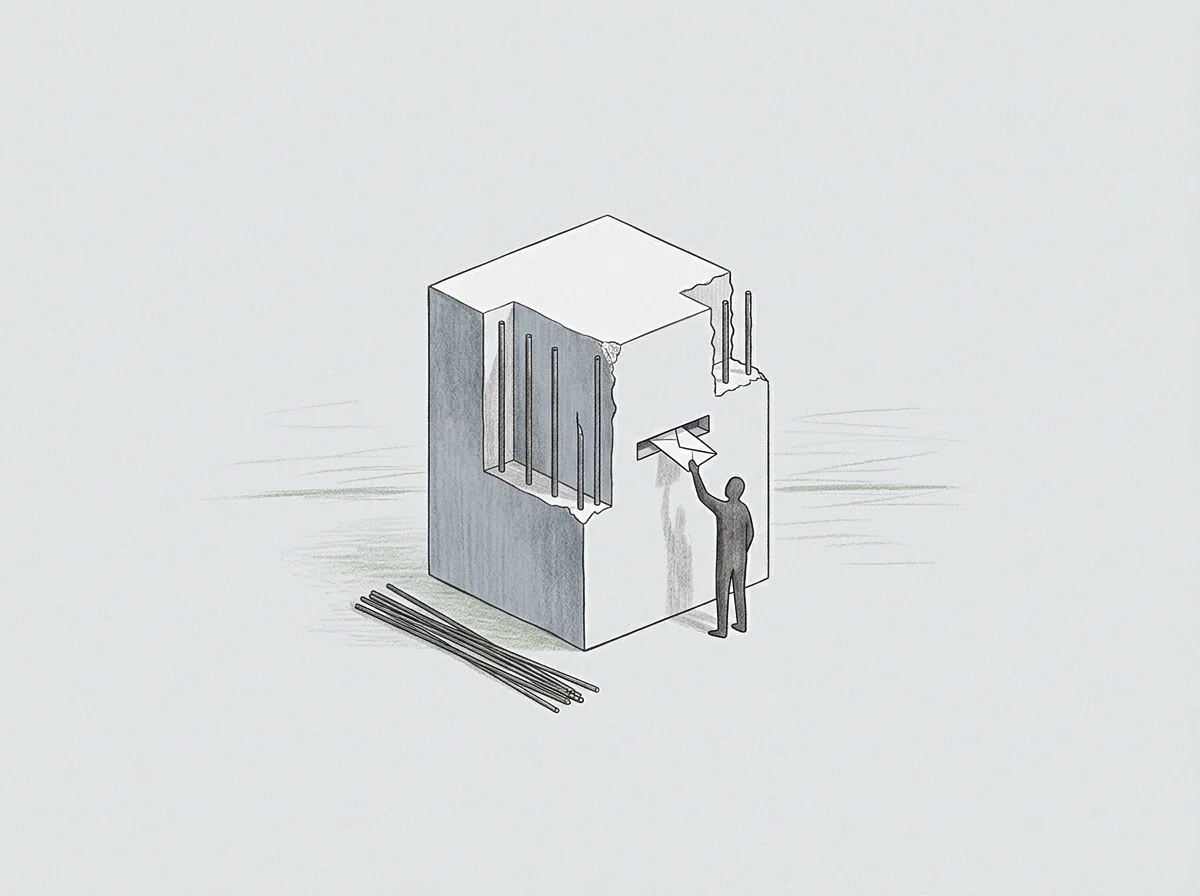
Unilateral digital timestamps prove file immutability but remain legally subordinated when subsequent mutual performance conflicts with stored written terms.

Cryptographic hash trails and platform metadata establish immutable operational timestamps that resolve conflicting founder equity claims through verifiable history.

Tribunals reconcile conflicting forensic metadata and oral testimony by classifying parol evidence rules as substantive law within choice-of-law frameworks.
Cryptographic baseline logs freeze early team agreements into immutable timestamped digests, preventing memory drift and establishing unalterable sequence proof.
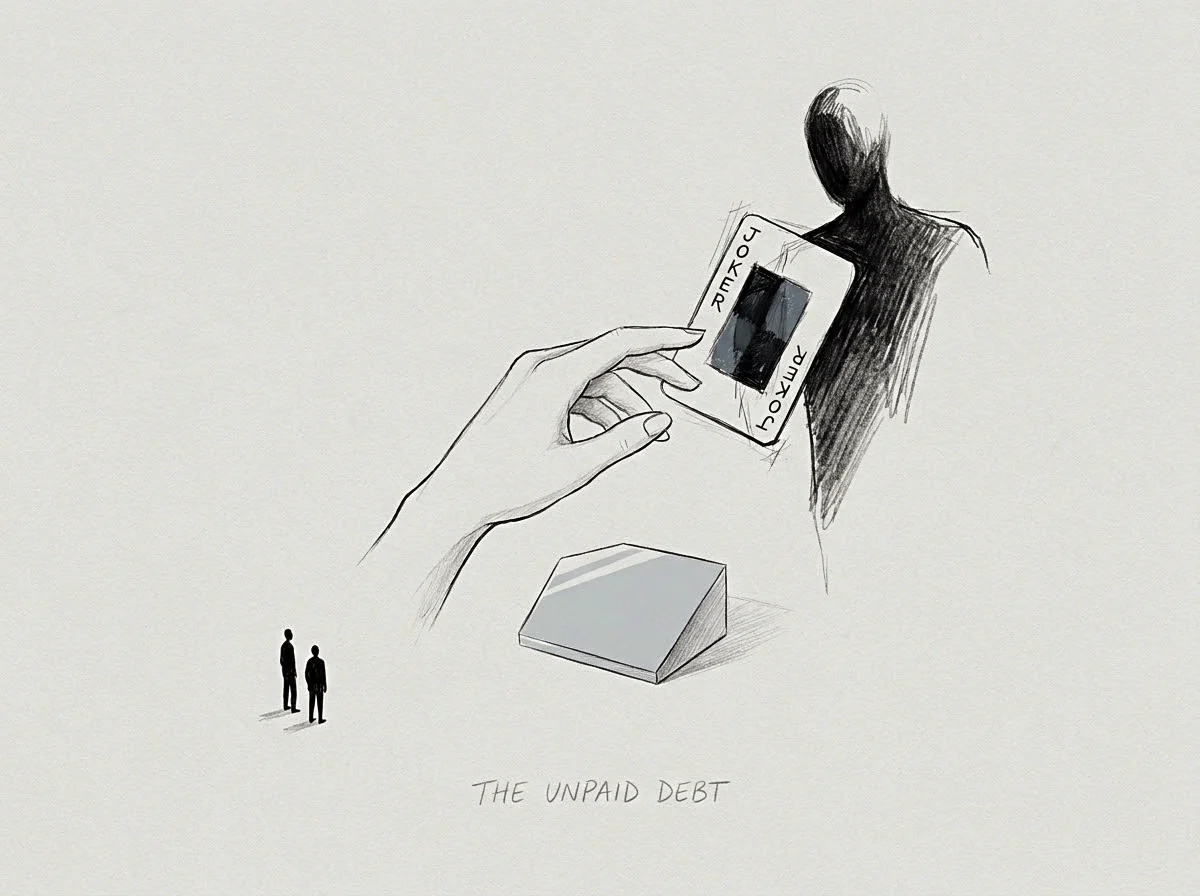
Digital evidence preservation resolves founder equity disputes by extracting, hashing, and documenting contemporaneous electronic records before memory alters past agreements.
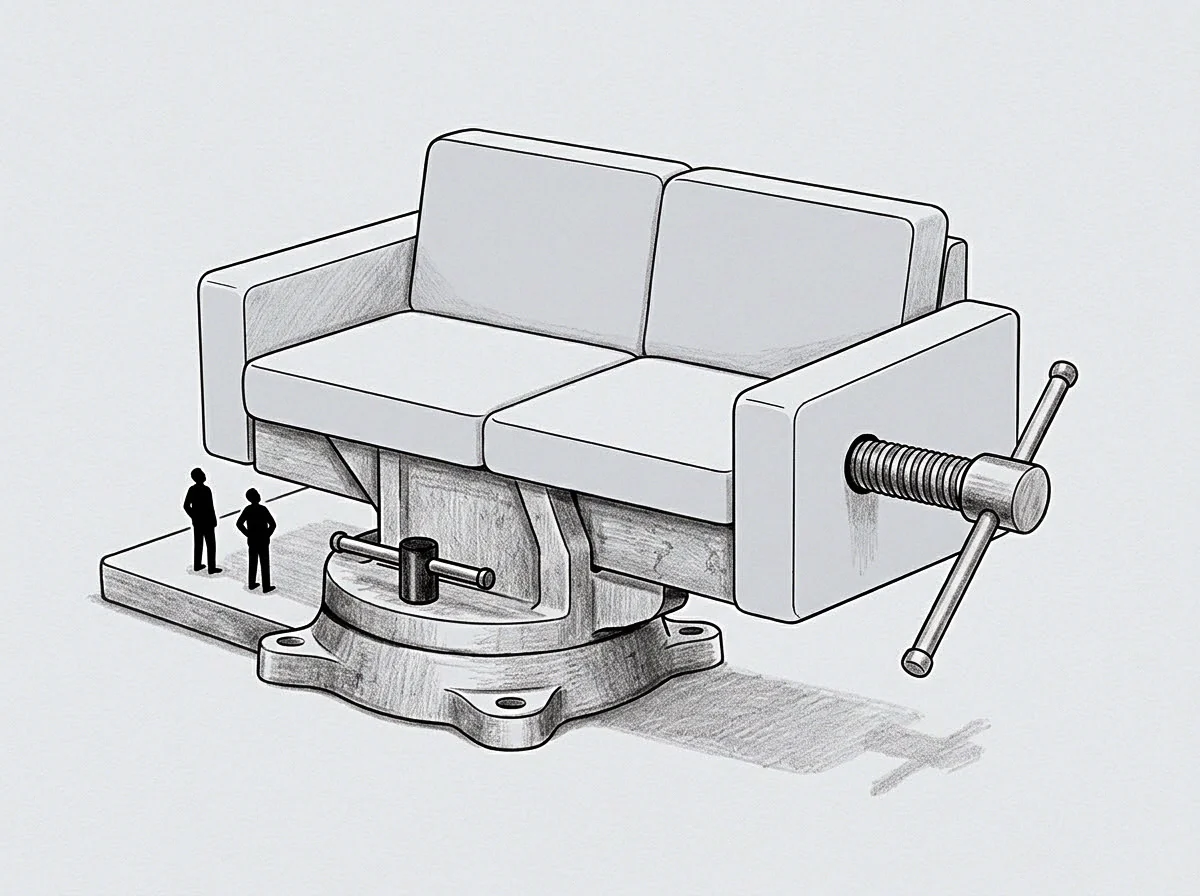
Informal messaging logs clear admissibility thresholds when forensic extraction establishes authenticity, metadata proves integrity, and contents demonstrate mutual assent.

Machine metadata provides immutable temporal anchors that dismantle reconstructive memory distortions in commercial and ownership disputes.
Timestamped documentation systems resolve founder recollection disputes by anchoring initial commitments to unalterable cryptographic logs.
The terms are written where they belong. Each field holds three desks, and every entry a desk writes raises the terms it uses, each term given a meaning, a mechanism and the places it appears. The record on these pages stays first person and hand made; the fields grow the nomenclature.