Meaning
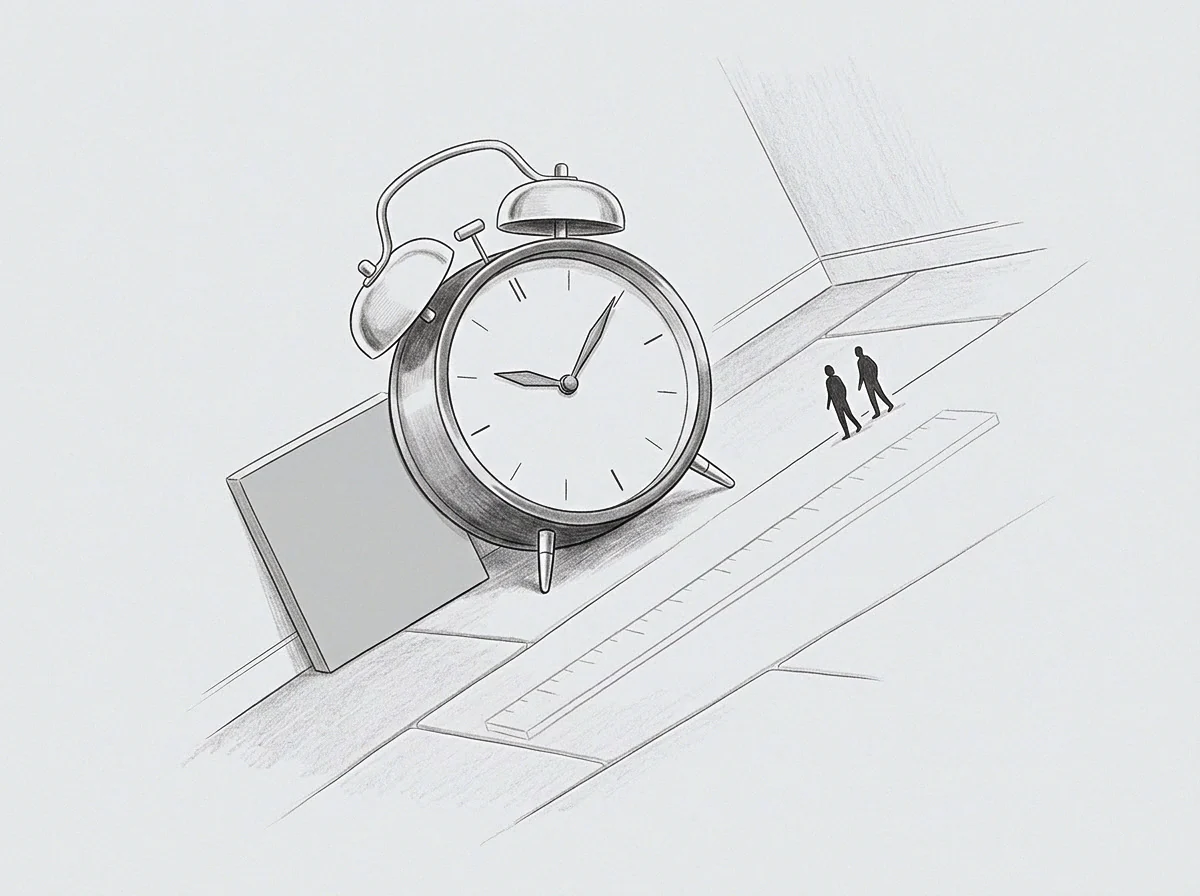
Hardware clock discrepancies cause unsynchronized computer timers to diverge gradually from true international time standards. Uncorrected system clock drift introduces timing errors across distributed server logs, database transactions, and cryptographic timestamp records. This physical variance undermines the chronological alignment of events during technical incident investigations.
Hardware Variation
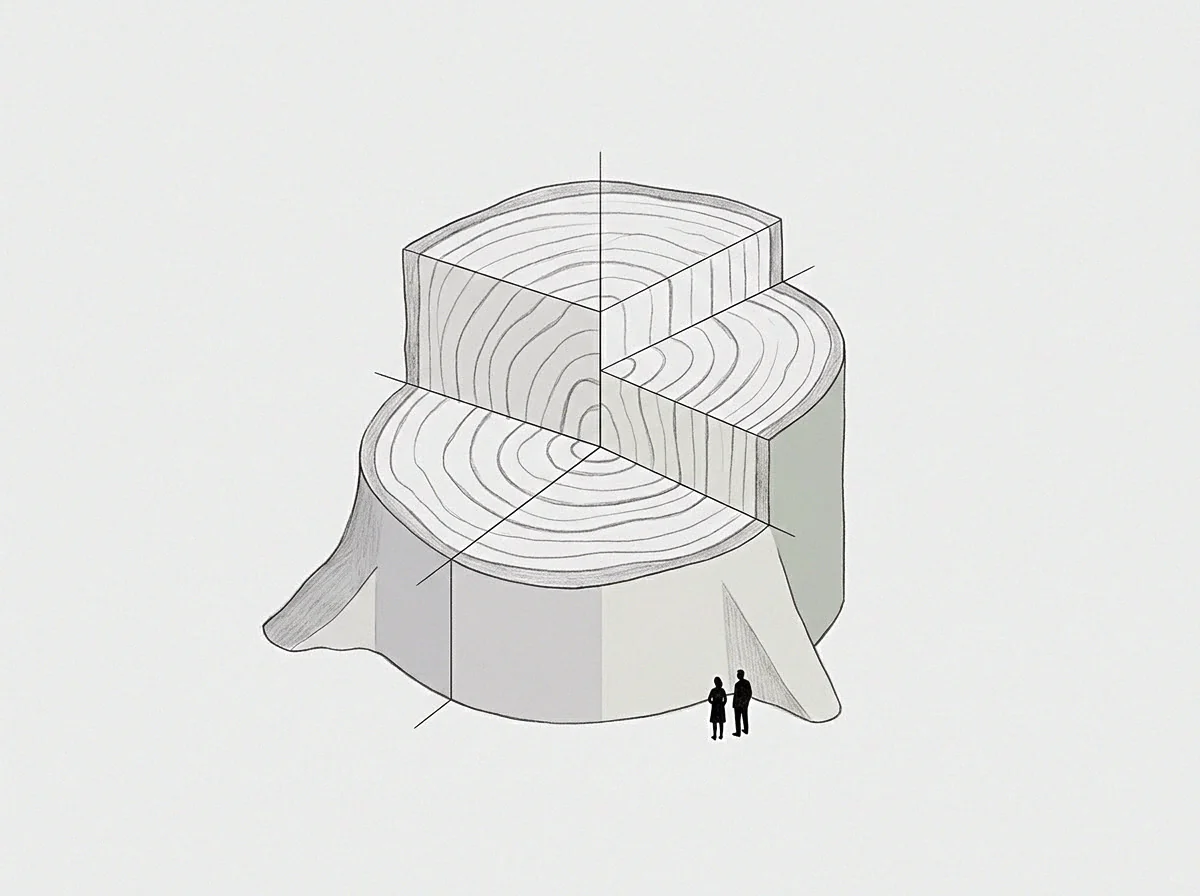
Physical server clocks rely on local quartz crystal oscillators that vibrate at frequencies determined by ambient temperature, component age, and voltage stability. Tiny manufacturing variations ensure that these oscillators run at slightly different speeds, producing measurable system clock drift across an unmanaged server fleet over weeks of continuous operation. When distributed application nodes process financial transactions or administrative updates without continuous time synchronization, their local timestamps begin to diverge.
A database write that occurred after an administrative action might appear in the raw logs as having occurred beforehand due to local timer variances. This chronological disorder complicates forensic log reconstruction, breaks distributed transaction ordering, and damages the integrity of audit trails.
Logging Inconsistency
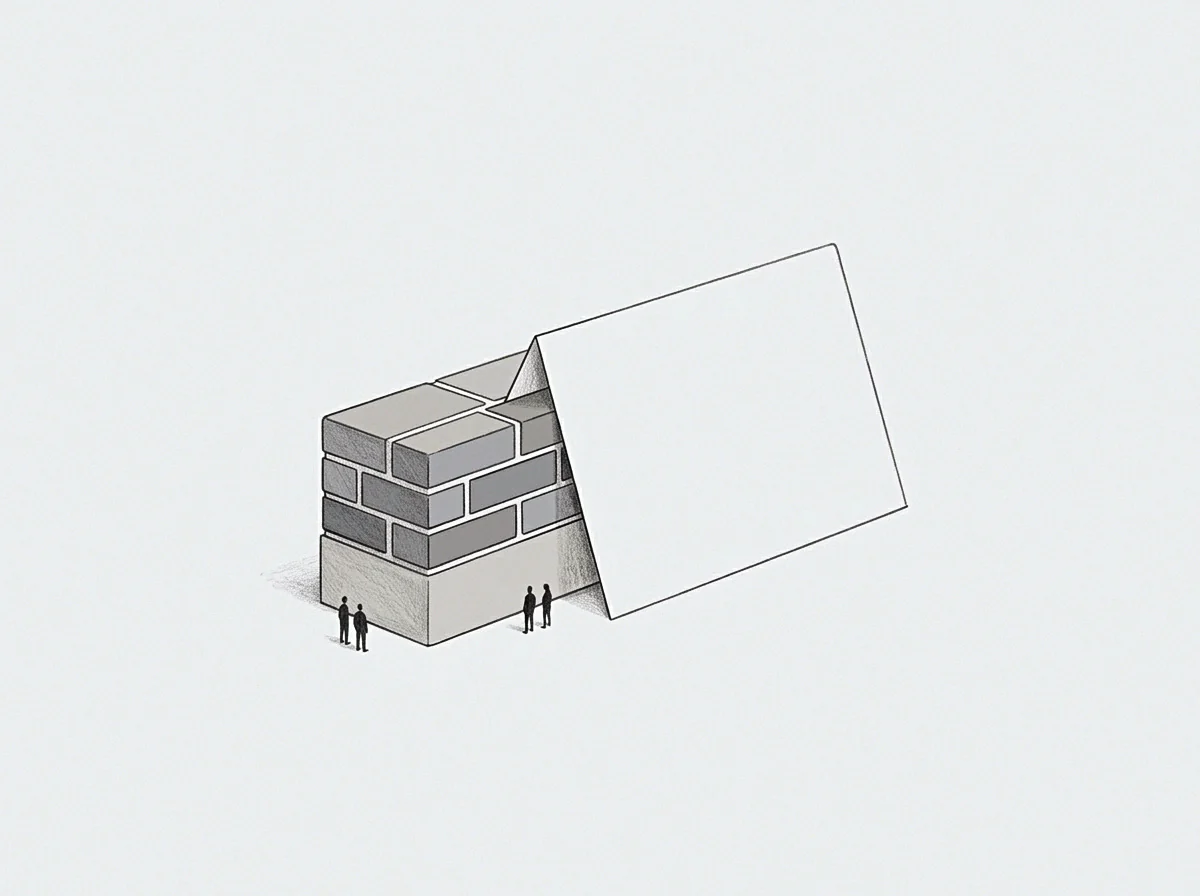
Divergent server clocks create contradictory temporal sequences across independent service logs during post-incident analysis. Technical analysts cannot reliably establish the root cause of an outage or security breach when individual server timelines conflict.
Synchronization Protocol
Implementing network time protocols and precision time synchronization maintains system clock accuracy within tight millisecond boundaries across all enterprise infrastructure. Reliable time synchronization prevents cumulative timing errors from compromising critical compliance records.