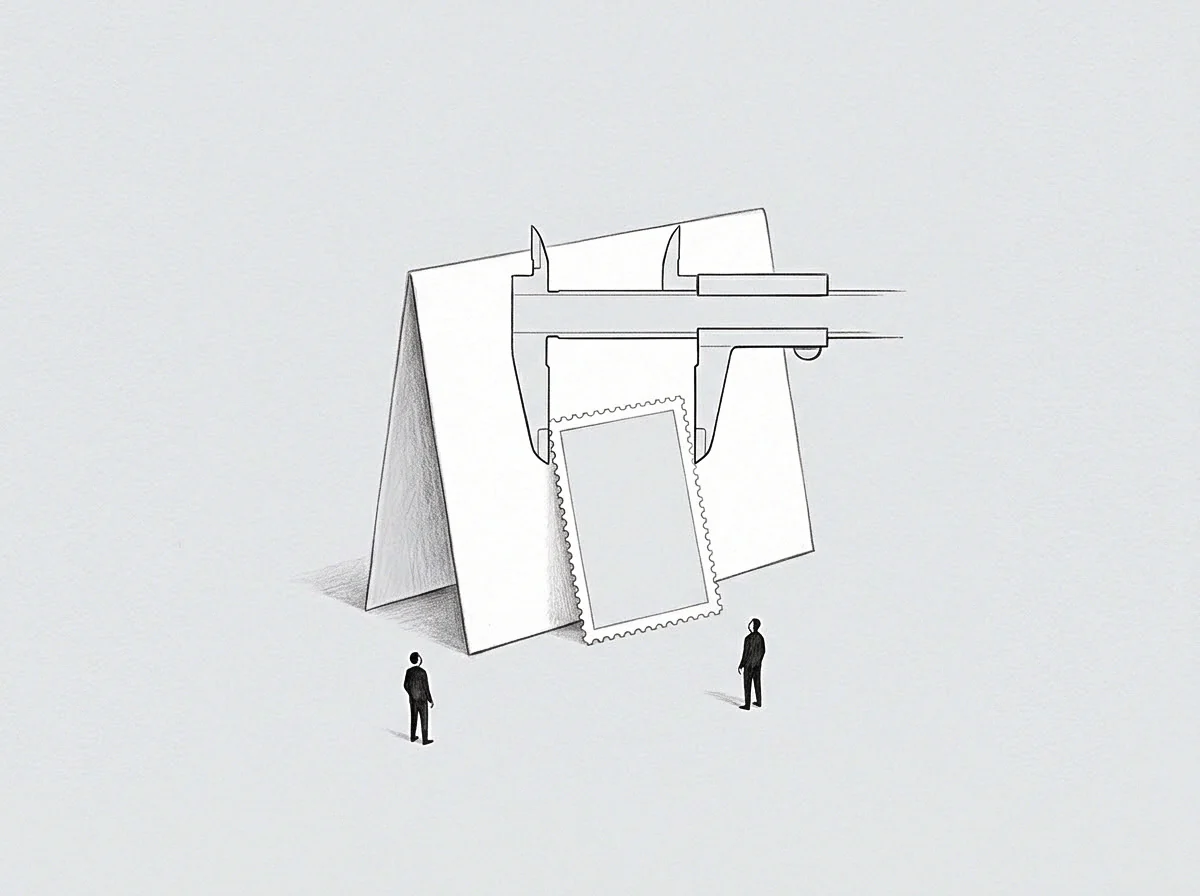
Meaning
The systematic examination of file attributes reveals information concerning the creation history, editing sequence, device state and transfer pathway of digital objects. Investigators use metadata analysis to confirm whether documentation presented during corporate conflicts was authored at the claimed date and by the purported author. The inquiry inspects application properties, operating system file tags, EXIF details and internal change logs.
Analysis stops delivering conclusive findings when files pass through sanitization utilities, format conversions or intermediary publishing systems that wipe secondary data attributes.
Forensic Workflow
Analysts isolate digital files on write-blocked storage media before extracting structural properties without disturbing system access marks. Specialized software scans document streams to extract internal revision histories, identifying software versions, author user names and consecutive save timestamps. By comparing the file creation mark on the storage volume with the document creation mark embedded in the application container, the analyst spots internal temporal contradictions.
Inconsistencies between operating system metadata and embedded application parameters reveal post-facto modification. The protocol demands rigorous recordkeeping at every step.
Structural Footprint
Complex documents accumulate extensive traces of institutional drafting and revisions. Modern word processors, code repositories and spreadsheet engines preserve historical identifiers, including serial editing sessions and template references. When a founder presents an equity allocation document claimed to date from incorporation, metadata analysis can reveal that the document template originated years later.
Embedded software build numbers and operating system identifiers create an inescapable chronological footprint. Such internal markers provide objective facts that counter personal recollections.
Inferential Threshold
File properties alone do not establish physical authorship or the real-world intentions of individuals. An account identifier embedded in a document confirms which user profile was logged into the workstation, but it cannot prove who depressed the keyboard switches without physical surveillance or auxiliary biometric records. Copying files between distinct storage drives or sending files via email can reset external file timestamps to the transfer moment, generating misleading indicators for inexperienced reviewers.
Rigorous proof requires pairing file characteristics with contemporaneous external communications, network logs and physical activity records. Metadata analysis remains an instrument of corroboration rather than an autonomous conclusion.