
Evidentiary Standards For Automated Equity Cap Table Receipts
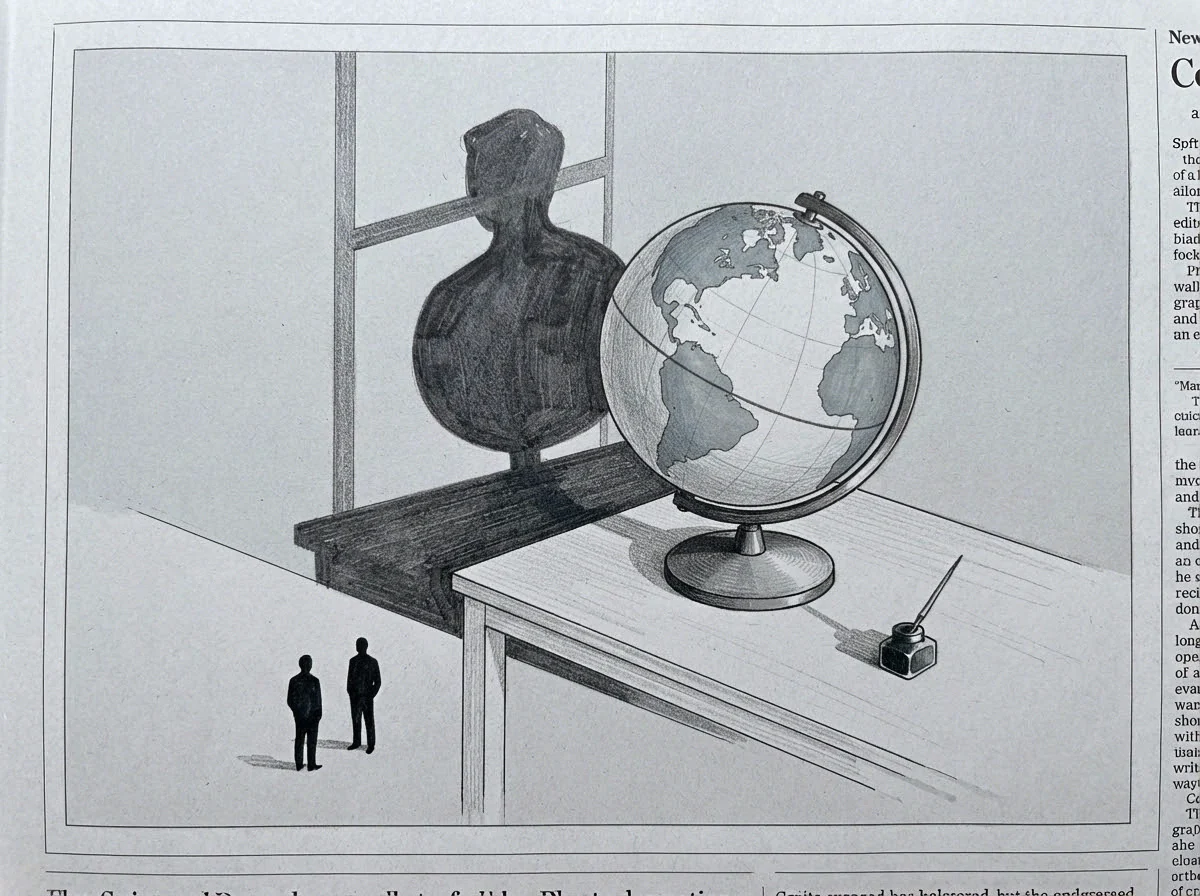
Automated cap table receipts establish legal evidence when transaction payloads correlate cryptographically with executed board authorization records.
Automated cap table receipts establish legal evidence when transaction payloads correlate cryptographically with executed board authorization records.

Cryptographic timestamps verify that a digital file existed at a specific time but cannot prove mutual assent, corporate authority, or contractual enforceability.
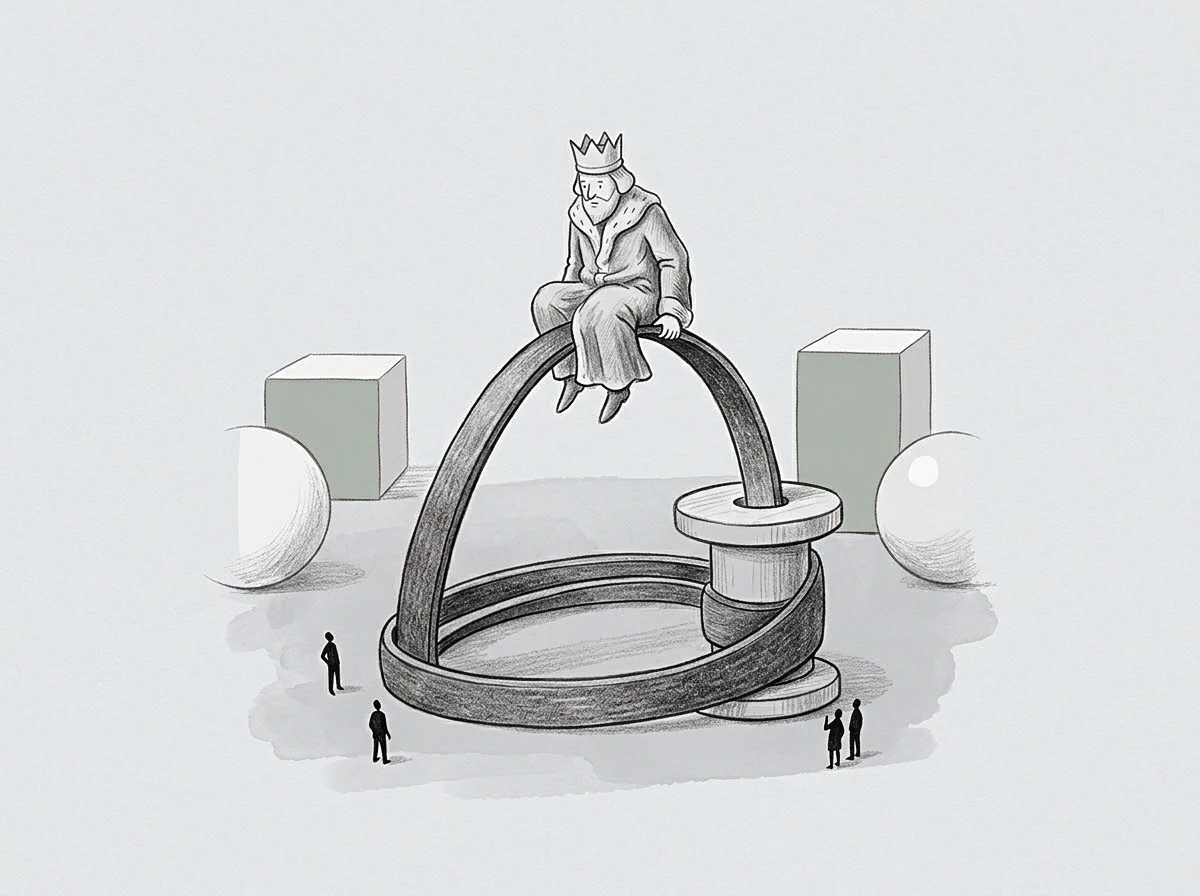
Contemporaneous time tracking records convert unwritten equity promises into verifiable restitution claims by proving detrimental reliance and consideration.

Contemporaneous internal memos provide critical evidentiary weight by anchoring events to verified timestamps before retrospective reconstruction alters recall.

Ephemeral startup messaging logs classification depends on platform architecture, retention settings, and legal preservation triggers that convert casual chats into discoverable records.
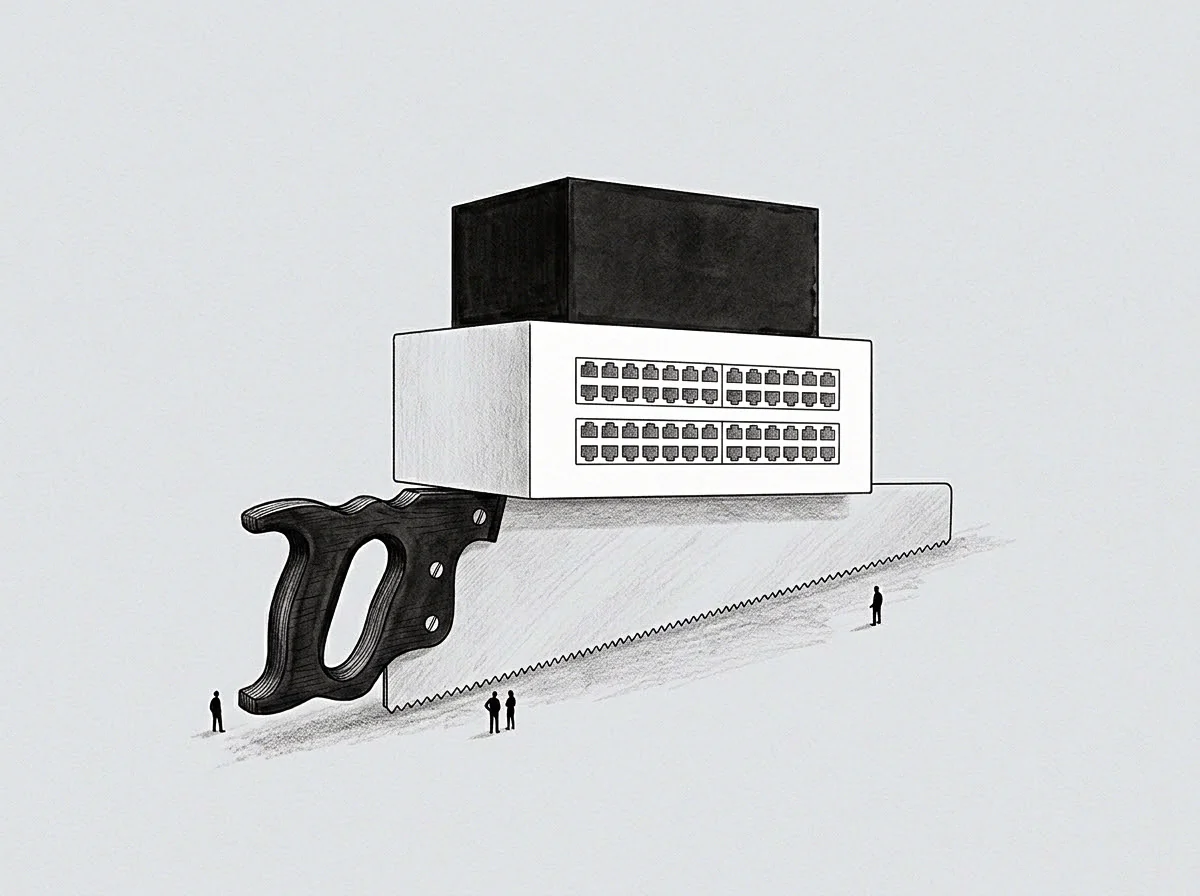
Unilateral board minutes drafted after an executive departure lose statutory business record presumptions when prepared under the prospect of litigation.
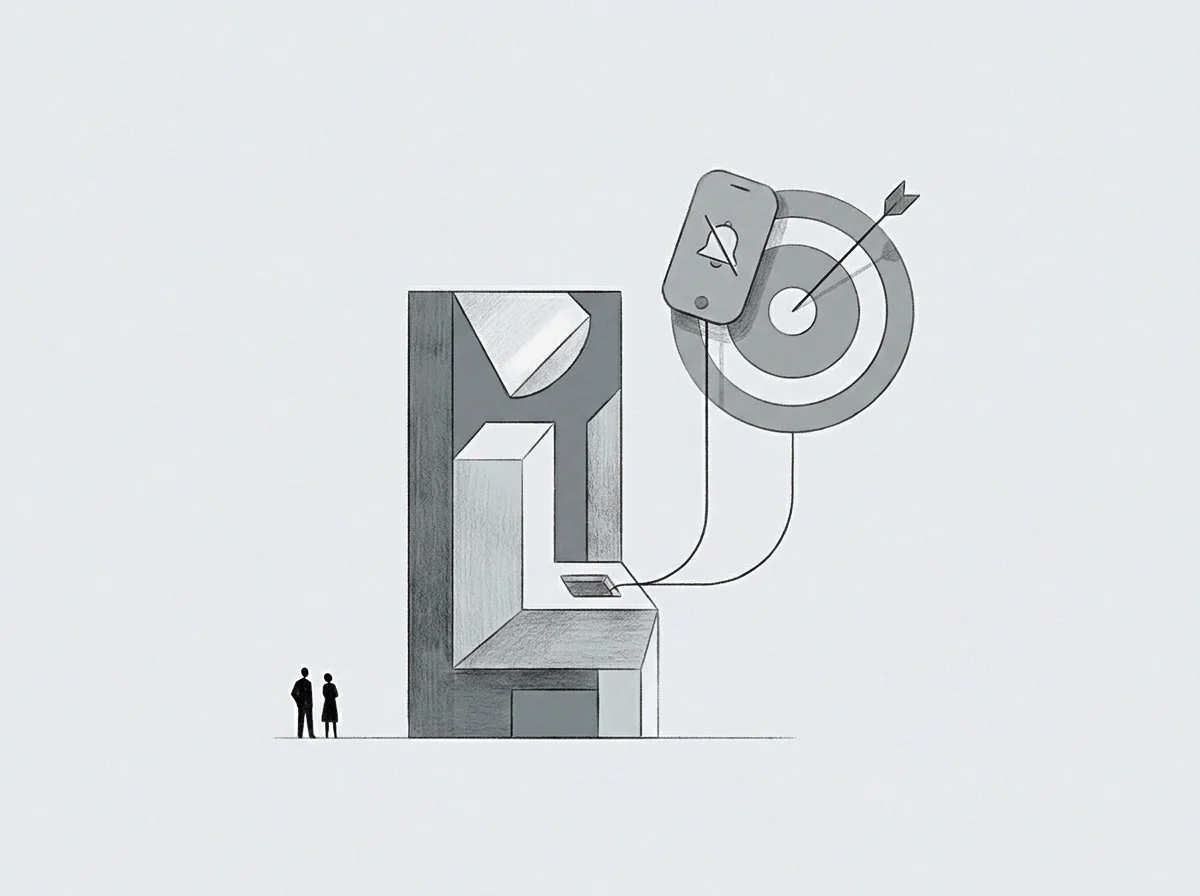
Unilateral digital timestamps establish data existence and state integrity at a specific moment without proving counterparty receipt or contractual assent.
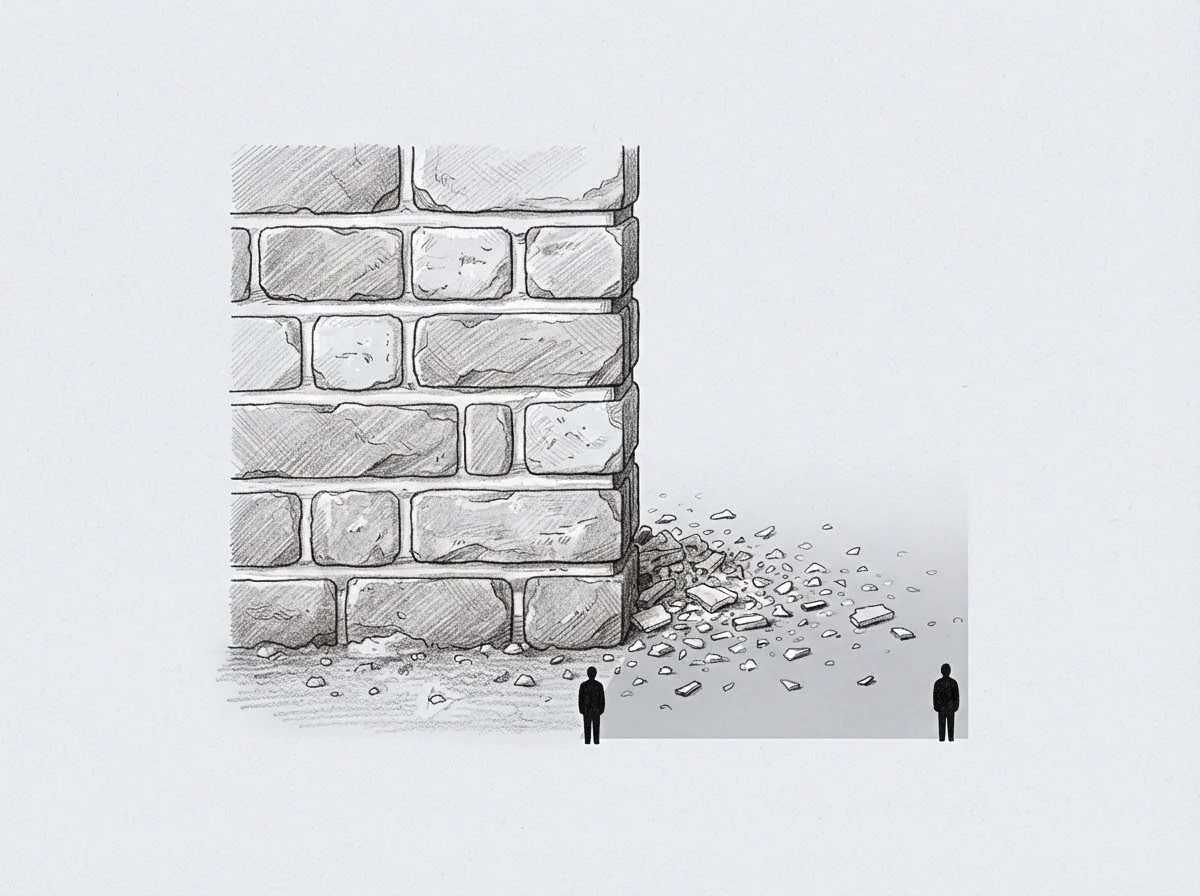
Consensus timestamps provide cryptographic proof of contract state and execution timing, defeating oral parol evidence claims under integrated contract rules.

Cryptographic metadata immutability satisfies electronic data integrity requirements but leaves common law hearsay admissibility standards dependent on proven operational duty.
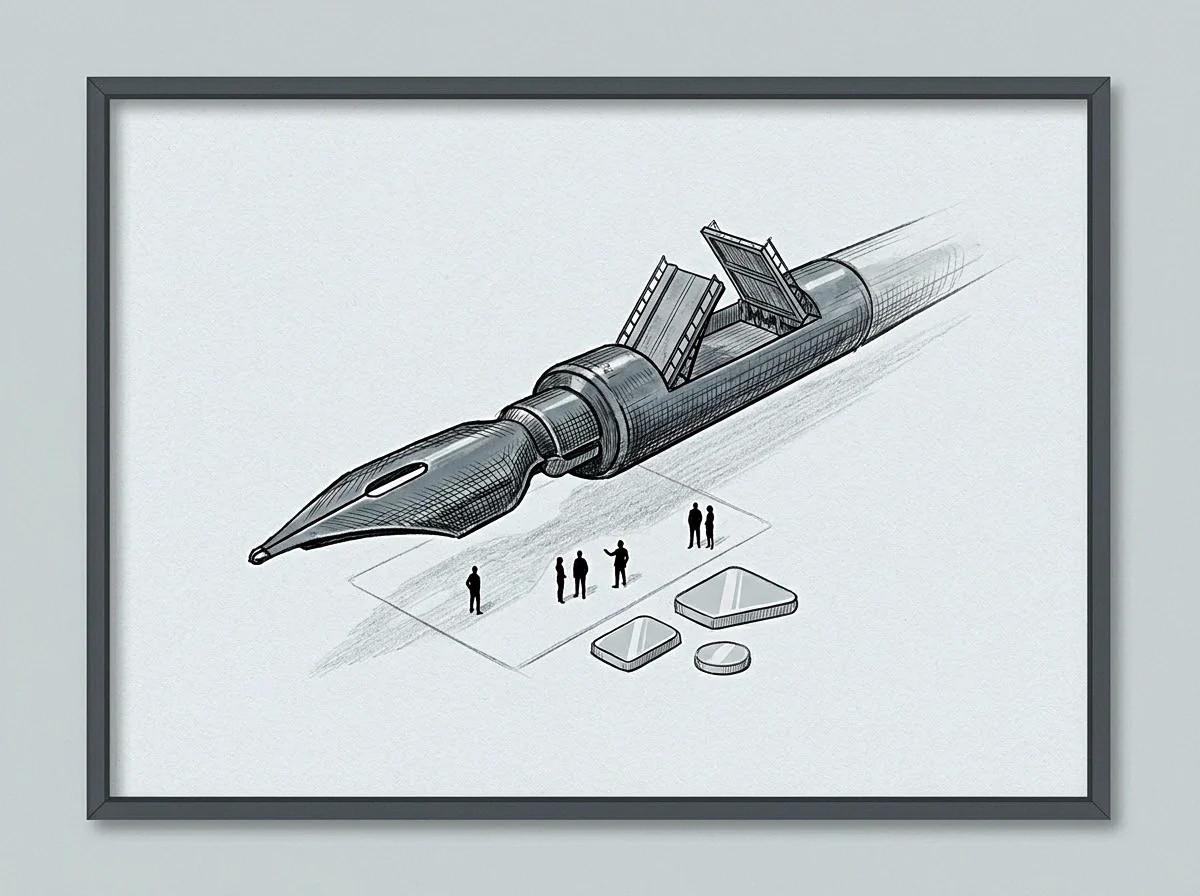
Contemporaneous personal notes overcome hearsay exclusions to establish board state of mind and fill silent corporate minutes when authenticated by verified metadata.
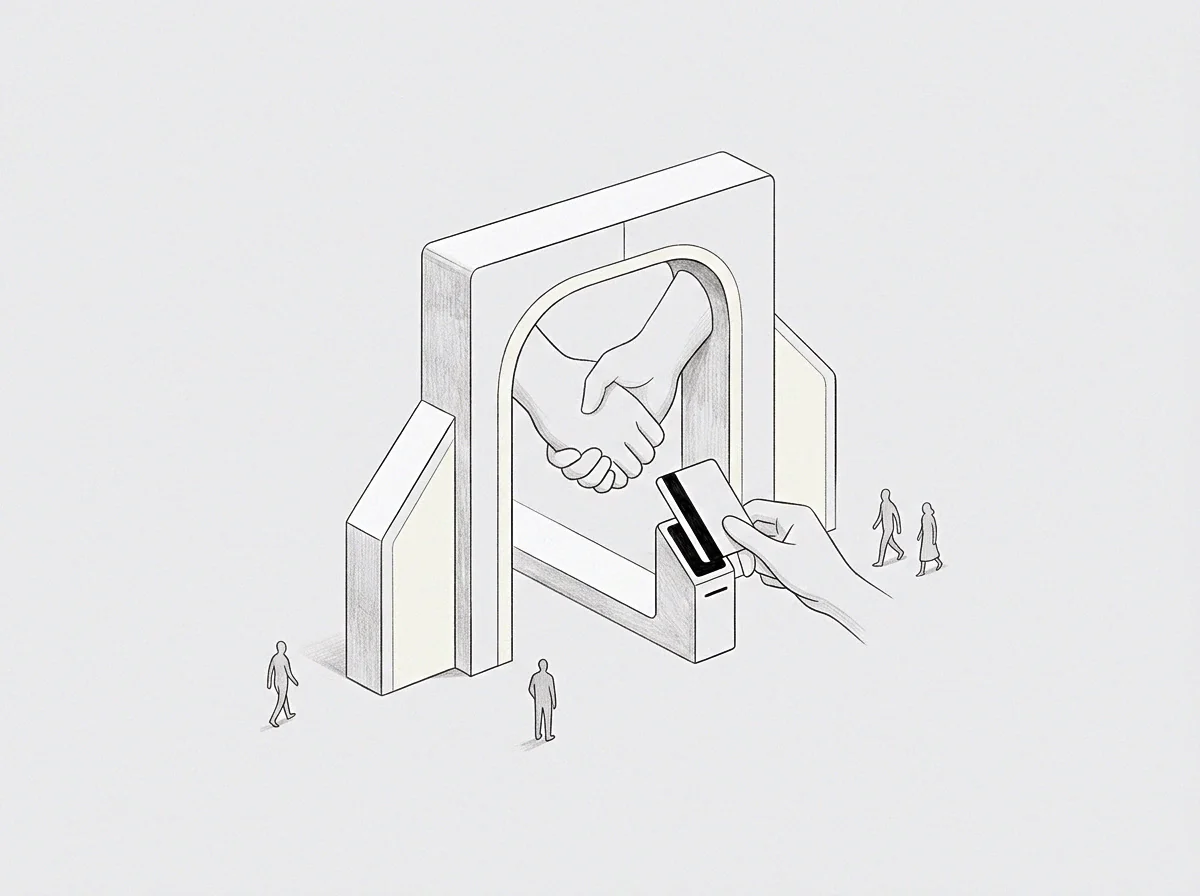
Commercial electronic records achieve evidentiary weight when underlying metadata proves creation, continuous custody, and structural unalterability.
The terms are written where they belong. Each field holds three desks, and every entry a desk writes raises the terms it uses, each term given a meaning, a mechanism and the places it appears. The record on these pages stays first person and hand made; the fields grow the nomenclature.