
Evidentiary Thresholds Separating Casual Assent From Preliminary Negotiation When Formal Writing Lacks Completion
Informal approval remains legal negotiation until written documentation defines explicit terms and expresses binding intent between negotiating parties.

Signal
Conversations between founders often move quickly from early ideas to specific business models. During these early stages, participants frequently exchange verbal assurances, head nods, and encouraging comments. Legal disputes arise when one party interprets these informal exchanges as binding assent, while the other party considers them preliminary negotiation.
Contract law relies on an objective standard of intent rather than subjective recollections of agreement. The court evaluates outward manifestations of assent, analyzing whether reasonable observers would conclude that a binding commitment occurred. When written contracts remain incomplete or unexecuted, determining legal status requires examining contemporaneous communication, surrounding context, and explicit reservations of rights.
Verbal statements of approval carry ambiguous legal weight when formal documentation remains unexecuted. A comment expressing enthusiasm during a meeting does not automatically create an enforceable obligation. Courts distinguish between statements that show general alignment and statements that accept concrete contractual obligations.
Without defined material terms such as price, scope, timeline, and liability allocation, casual assent fails to satisfy the threshold of legal enforceability. Written notes record initial intent. Silence during negotiation carries risk.
Unstated terms generate operational friction.

Informal Expressions and Structural Intent
Phrases of general approval spoken during early conversations reflect alignment rather than legal commitment. Parties in commercial discussions routinely use supportive language to maintain momentum without intending to bind their organizations. When an owner states that a proposal looks promising or that an arrangement sounds reasonable, the language indicates willingness to continue discussions.
Legal enforceability demands definitive assent to clear terms. Courts examine whether verbal statements contained explicit promises or merely signaled agreement on general principles. When key operational parameters remain open for negotiation, courts classify earlier affirmative comments as non-binding preliminary exchanges.

Baseline States of Unenforceable Accord
Commercial discussions pass through recognizable phases before written terms take binding effect. The early phase involves identifying mutual commercial interest and testing potential deal structures. Misinterpretations occur when one party treats early positive responses as finalized assent while formal drafting proceeds in parallel.
- Casual Verbal Approval: Statements such as looks good or sounds right indicate positive sentiment without establishing fixed commercial terms.
- Preliminary Overview Exchange: Sharing high level pitch presentations or initial outlines demonstrates subject matter interest while lacking defined operational parameters.
- Unexecuted Draft Sharing: Exchanging contract templates creates a working context for discussion without committing either party to final terms.
Operational momentum creates mistaken beliefs. Informal nods create misplaced confidence. Ambiguous messages generate unnecessary disputes.
The distinction between preliminary negotiation and enforceable contract rests on whether the parties intended written execution as a condition precedent to legal liability. Where parties demonstrate an intention not to be bound until formal written contracts are signed, intermediate assent remains non-binding. Email exchanges containing phrases like subject to contract or pending final approval preserve legal position during ongoing discussions.
Without these explicit qualifiers, courts examine surrounding conduct to determine whether verbal assent created an immediate oral agreement.
A phrase spoken over drinks leaves the operational risk with the party who performed without written terms.
The discussions remained exploratory pending the execution of a definitive transaction document.

Proof
Contemporaneous notes written during discussions establish what parties agreed to observe at specific times. Reconstructive memory systematically alters recollections of oral promises as personal stakes change. Research in cognitive psychology demonstrates that memory reconstructs past events using current expectations rather than exact historical recall.
Confidence in recollection correlates poorly with factual accuracy over extended timeframes. In commercial disputes, witness testimony regarding unwritten agreements degrades quickly under cross-examination. A dated entry created on the day of a meeting provides an anchor that limits memory drift.
Memory reconstructs past interactions inaccurately. Oral promises remain difficult to prove. Contemporaneous notes establish timeline priority.
Courts apply objective evidentiary criteria to evaluate whether preliminary discussions crossed the threshold into binding consensus. Written evidence created during negotiations receives significantly higher evidentiary weight than post-hoc verbal testimony. Electronic mail, text messages, redlined draft documents, and meeting minutes form a chronological record of intent.
When these documents indicate that material terms were left open for future negotiation, courts decline to enforce the agreement.

Documentary Records and Temporal Drift
Human memory systematically alters the recollection of past commercial conversations as time passes. Parties frequently remember outcome-aligned versions of unwritten agreements after commercial conditions change. Memory stability studies show that individuals rewrite internal narratives of negotiation within weeks of a meeting.
A written memo recorded immediately after a conversation fixes the state of discussion at a specific point in time. When a dispute arises, the party relying on contemporaneous documentation holds an evidentiary advantage over the party relying on unwritten recollection.

Quantitative Comparison of Evidentiary Markers
Assessing whether early written exchanges constitute formal negotiation requires evaluating key written indicators. The legal classification of an exchange depends on term specificity, formal reservations, and delivery context.
| Stage of Interaction | Evidentiary Requirement | Legal Status | Allocation of Reliance Risk |
|---|---|---|---|
| Casual Assent | Contemporaneous written notes or verbal testimony | Non-binding expression of interest | Performing party bears full operational risk |
| Preliminary Negotiation | Draft term sheets, email exchanges, reservation clauses | Non-binding exchange of terms with legal protections | Risk divided according to express disclaimers |
| Definitive Accord | Executed agreement with completed schedules and signatures | Enforceable legal obligation | Risk governed by contractual indemnity terms |
Take an arrangement where two operators collaborate on software development for six months without executing a written operating agreement. Assume the first operator contributes capital while the second operator contributes technical architecture. During early conversations, the first operator expressed enthusiasm by stating that equity would be divided equally once the product launched.
Over the subsequent four months, the technical architecture advanced while draft term sheets circulated via email without signatures. The draft term sheets contained conflicting equity split percentages ranging from thirty percent to fifty percent, with explicit notes stating that final equity depended on capital funding milestones.
When the software launched successfully, the second operator demanded fifty percent equity based on early verbal statements. The first operator offered thirty percent based on the unexecuted draft term sheets. In evaluating this dispute, a court examines whether the early verbal statement constituted a binding oral contract or casual assent during preliminary negotiation.
The existence of circulating draft term sheets with changing terms demonstrates that equity allocation remained open for negotiation. The documentary record of unexecuted drafts refutes the claim that verbal assent created a finalized fifty percent agreement. Draft agreements lack finality.
Partial execution creates operational ambiguity. Unsigned drafts retain tentative status.
Contemporaneous written reservations prevent casual statements from maturing into binding commitments.
A record made on the day of discussion carries more evidentiary weight than years of unwritten operational reliance.

Seat
The physical location where commercial terms are discussed influences how participants interpret verbal statements. Informal settings like coffee shops or social gatherings encourage open discussion but generate ambiguous records of assent. Formal office settings, boardrooms, and structured videoconferences establish a clear professional context that signals serious commercial intent.
However, location alone does not create legal enforceability. The authority of the individual occupying the chair determines whether verbal statements carry legal significance for an organization.

What Distinguishes Handshake Comments From Binding Terms?
Verbal assent during casual meetings often lacks the concrete parameters necessary to create enforceable obligations. Parties frequently mistake professional courtesy for commercial commitment. A handshake at the conclusion of an exploratory meeting signals willingness to proceed to formal drafting.
It does not replace the requirement for written agreement on material terms. Courts assess whether the parties intended the handshake as a final seal of agreement or as an acknowledgment of shared goals. Where past practice or corporate policy mandates written contracts, informal handshakes fail to establish legal liability.
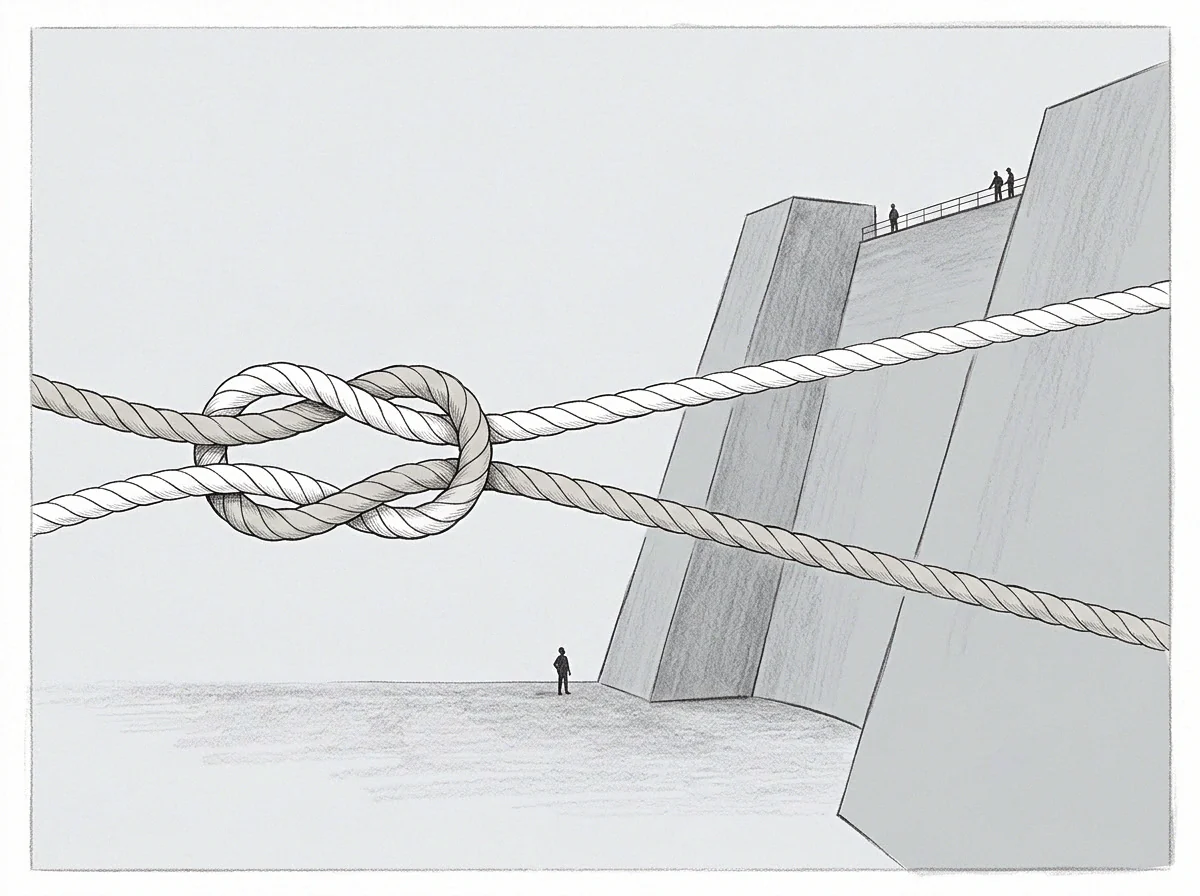
Positional Authority and Reliance Expenditures
Expenditures made in reliance on verbal assurances create financial vulnerability when negotiations collapse. Founders and operators often begin work, hire personnel, or purchase equipment based on verbal statements of intent. When formal writing remains incomplete, the performing party risks being unable to recover reliance costs.
Courts hesitate to imply contracts from partial performance when the parties explicitly contemplated a written agreement. Unilateral performance without written authorization leaves the performing party exposed to uncompensated losses.
A founder who invests capital before signing formal deal documents assumes the legal risk of non-completion. The counterparty retains the legal right to abandon negotiations prior to formal execution, provided they acted in good faith during discussions. Reliance expenditures absorb private capital.
Unilateral work commenced before contract execution shifts the financial burden entirely onto the performing party.
Premature performance based on informal nodding strips the performing party of capital and leaves them without legal recourse.

State
Negotiation status changes when parties move from general enthusiasm to written term sheets. This transition shifts the legal analysis from subjective intent to objective documentary evidence. Courts examine the progression of written communications to identify the exact moment an exchange matures into legal negotiation.
The presence of formal disclaimers in email headers or draft documents marks a deliberate effort to control contractual liability. Disclaimers preserve negotiating flexibility by preventing early terms from becoming binding obligations prematurely.
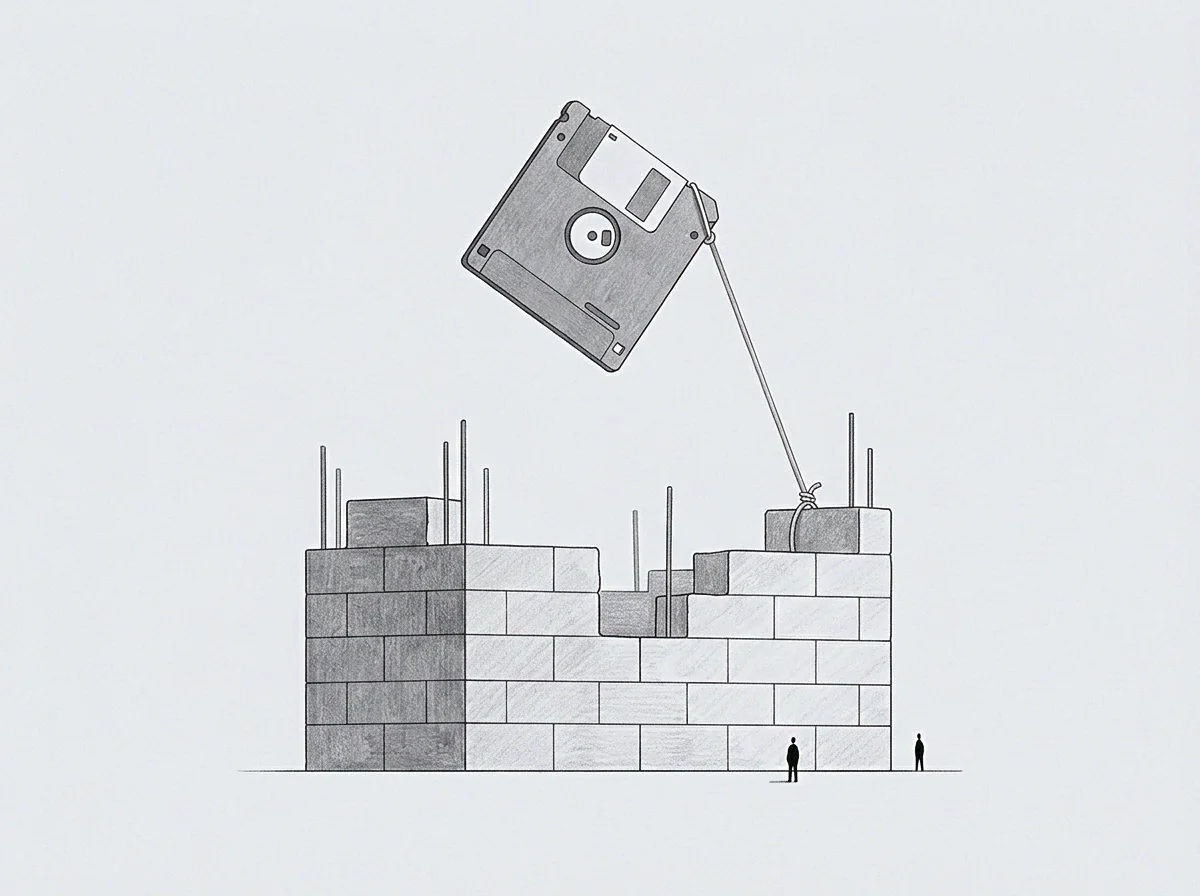
Transitions Between Exploratory Talks and Enforceable Agreements
Moving from general discussions to enforceable commitments involves legal thresholds. The standard requirement for contract formation includes mutual assent, consideration, and certainty of material terms. Incomplete draft agreements indicate that negotiation remains ongoing.
When parties continue to negotiate core terms such as payment schedules, indemnification, or termination rights, no binding contract exists. Courts decline to draft contract terms for parties who failed to finalize them independently.

Procedural Milestones in Documented Exchanges
Commercial negotiations follow specific documentary phases that demonstrate escalating commitment.
- Initial contact establishes mutual commercial interest without fixing operational duties or financial terms.
- Draft exchange establishes explicit parameters while preserving the right to walk away prior to formal signature.
- Partial performance creates reliance risks when formal execution remains incomplete.
Explicit disclaimers protect negotiating leverage. Managing transition states requires administrative discipline during every drafting phase. A clear written statement specifying that terms remain subject to final contract execution prevents unintended legal liability.
Negotiators who fail to include explicit disclaimers risk having draft documents interpreted as binding oral contracts supplemented by partial written terms.
Written disclaimers on draft documents preserve negotiating position even after partial consensus exists on major business items.
An explicit subject to contract clause renders early written agreement on commercial terms non-binding until formal execution occurs.
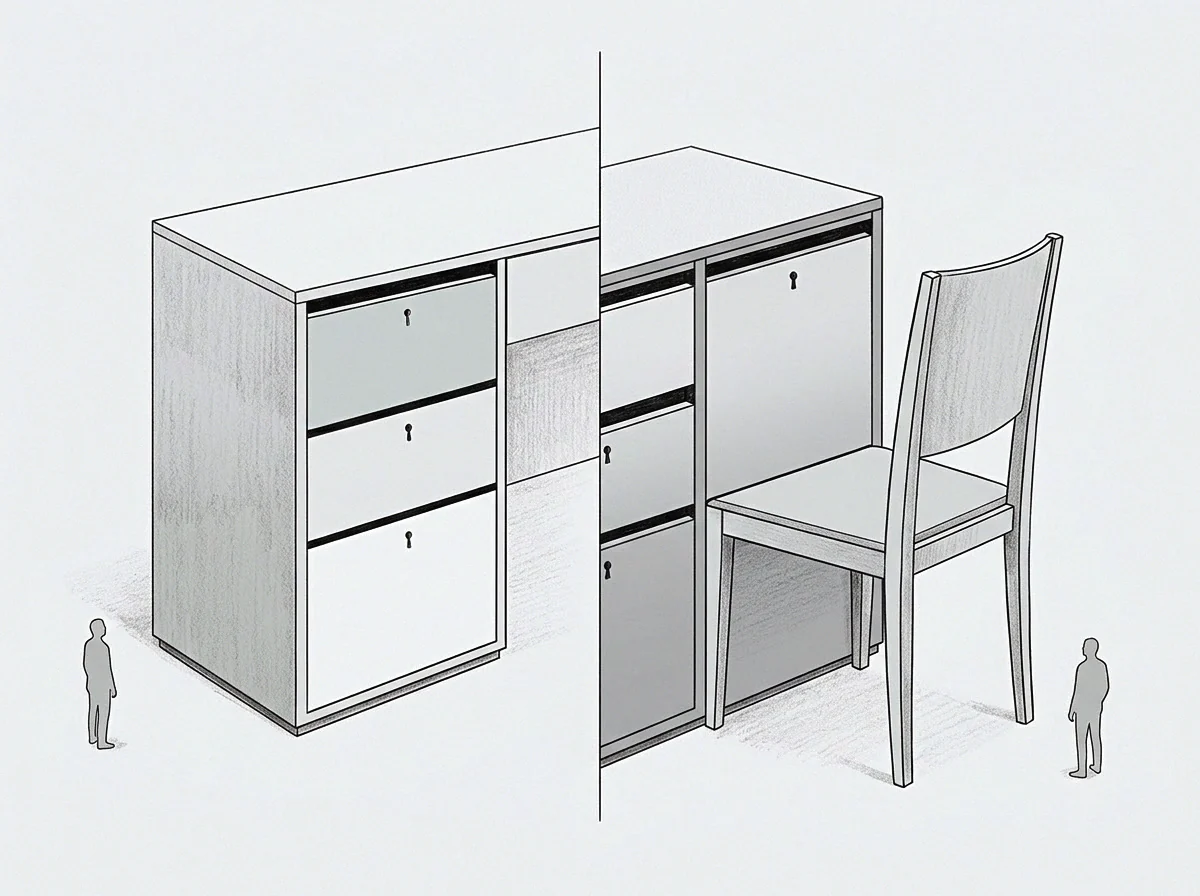
Scope
Unfinished contracts leave open questions regarding the extent of unwritten obligations. When formal drafting halts before execution, parties frequently disagree on whether any enforceable commitments survive. Partial execution of written drafts creates complex evidentiary challenges for courts.
If performance begins with the knowledge and consent of both parties, courts occasionally enforce specific written terms that demonstrate clear mutual assent. However, unwritten terms and unagreed schedules remain unenforceable.

Boundaries of Unwritten Obligations
Determining the outer limits of unwritten commitments depends on contemporaneous documentation. Courts review email records, task tracking software, and financial transactions to reconstruct the scope of agreed duties. Terms that were never discussed or explicitly left open during drafting cannot be imported into an implied agreement.
The performing party bears the burden of proving that specific work was authorized by the counterparty under an agreed payment structure.

Residual Liabilities in Partial Drafts
Draft documents exchanged during preliminary negotiations can create unintended liabilities if discussions halt. Confidentiality provisions, non-solicitation clauses, and exclusivity periods contained within unexecuted drafts are sometimes enforced if the parties acted in accordance with those specific terms. Main commercial terms such as purchase prices, equity grants, and long-term service commitments remain unenforceable without formal signature or clear objective assent.
The risk of residual liability underlines the necessity of maintaining clear records throughout the negotiation lifecycle.
The unresolved problem remains whether verbal encouragement during technical integration creates an implied contract when explicit documentation stalls indefinitely.