
Reconciling Automated Cryptographic Ledger Locks With Ongoing Operational Waiver In Enterprise Agreements
Enterprise agreements reconcile cryptographic ledger locks with operational waivers through dual-key oracle overrides and explicit contractual grace windows.

Gate
An enterprise treasury manager receives an alert that twenty million dollars in collateral moved to a liquidity pool at midnight. The automated covenant protocol detected a temporary dip in collateral valuation and ran the liquidation trigger on its own. Three hours earlier, the borrower and the vault administrator had exchanged signed emails agreeing to waive the liquidity ratio requirement for forty-eight hours.
That written forbearance sat in an inbox, legally binding under contract law but invisible to the network.

Determinism Versus Commercial Flexibility
Distributed ledger protocols process conditions through strict logic. When an on-chain condition evaluates to true, the smart contract state updates at once, moving assets, locking vaults, or resetting interest rates according to compiled bytecode. Commercial agreements work on different terms.
Credit agreements, supply chain financing, and joint ventures rely on informal waivers to weather short-term volatility. A lender gives an informal extension on a reporting deadline, a supplier accepts late delivery without penalties, or a syndicate lead waives a covenant while debt is restructured.
Operational waivers existing purely in correspondence fail to halt cryptographic execution protocols.
The gap between these systems creates direct commercial risk. Contracts govern human intent and enforce remedies through courts, whereas ledger locks enforce programmatic state boundaries without regard to outside context. Any company relying on an off-chain waiver while bound to an unadjusted cryptographic lock remains vulnerable to automated execution.
The Silence of On-Chain Operations
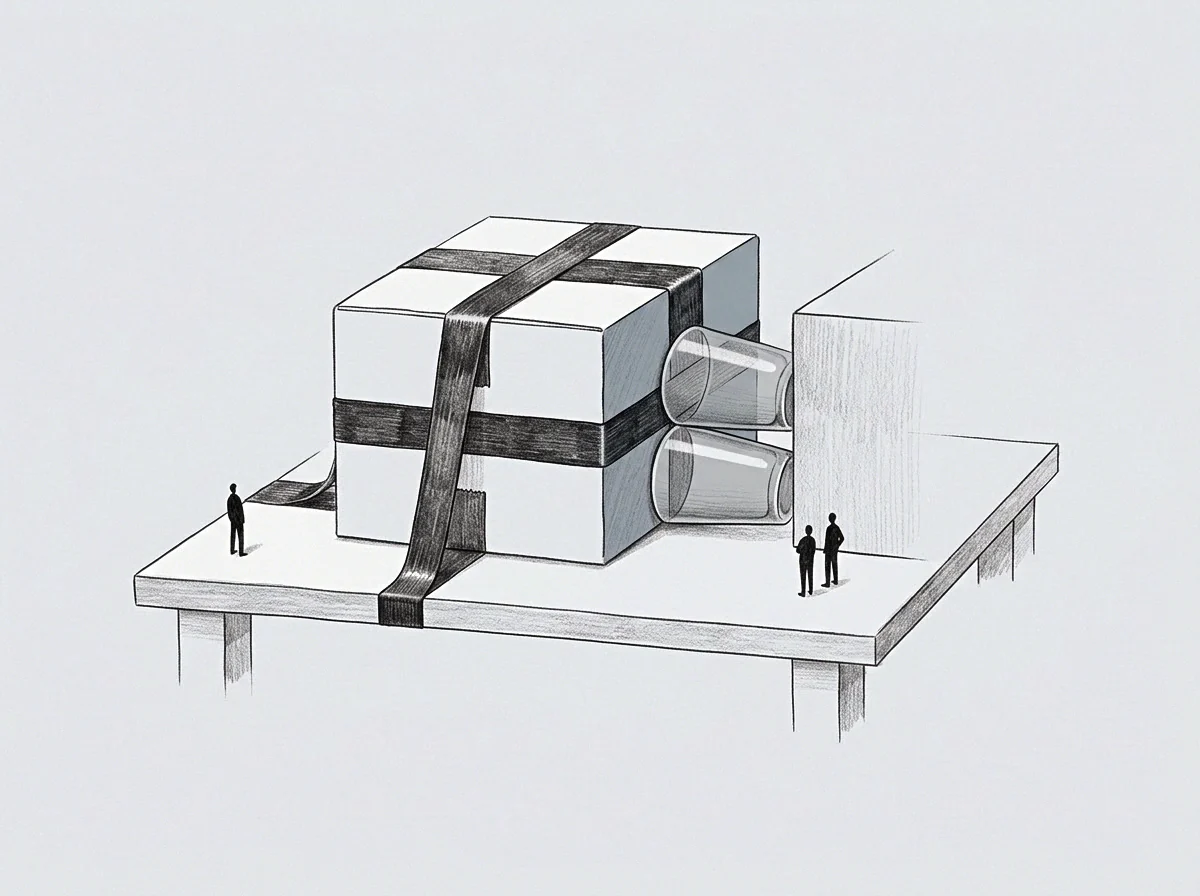
Emails and verbal assurances sit entirely outside consensus mechanisms. A consensus engine verifies signatures, gas limits, balances, and transaction parameters, but it cannot read a signed PDF on a corporate server unless those terms are written back into protocol parameters. When parties do not sync legal forbearance with the state of the protocol, the code simply executes.
Organizations then face sudden liquidations because an informal agreement never modified the underlying contract.

Rule
Contract law recognizes that parties routinely alter terms through conduct. Equitable estoppel bars a party from asserting a contractual right when its own actions or statements led the counterparty to believe enforcement was waived. Course of performance rules similarly interpret obligations through how the parties behave over time.
Legal Doctrines and Unmodified Code
Courts resolve commercial disputes by reading correspondence alongside written terms. If a creditor consistently accepts late payments without complaint, equity generally prevents that creditor from calling a default without warning. With smart contracts, however, traditional estoppel meets practical friction.
The code triggers the default automatically, leaving the borrower to seek an injunction or pursue restitution only after collateral has moved.
- Unilateral Forbearance Reliance occurs when an operator assumes an email thread legally prevents an automated collateral sweep.
- Asymmetric Record Timing arises because verbal waivers happen in minutes while formal contract amendments take days.
- Unindexed Verbal Approvals leave non-waiver clauses active while software triggers execute without delay.
Commercial contracts routinely include non-waiver provisions, specifying that a delay or failure to exercise a right does not surrender it. In traditional agreements, these clauses serve as defenses in subsequent litigation. In automated arrangements, the non-waiver clause runs alongside an active, self-executing script that requires no manual enforcement at all.
An off-chain non-waiver clause preserves legal remedies while leaving automated on-chain asset seizures unchecked.
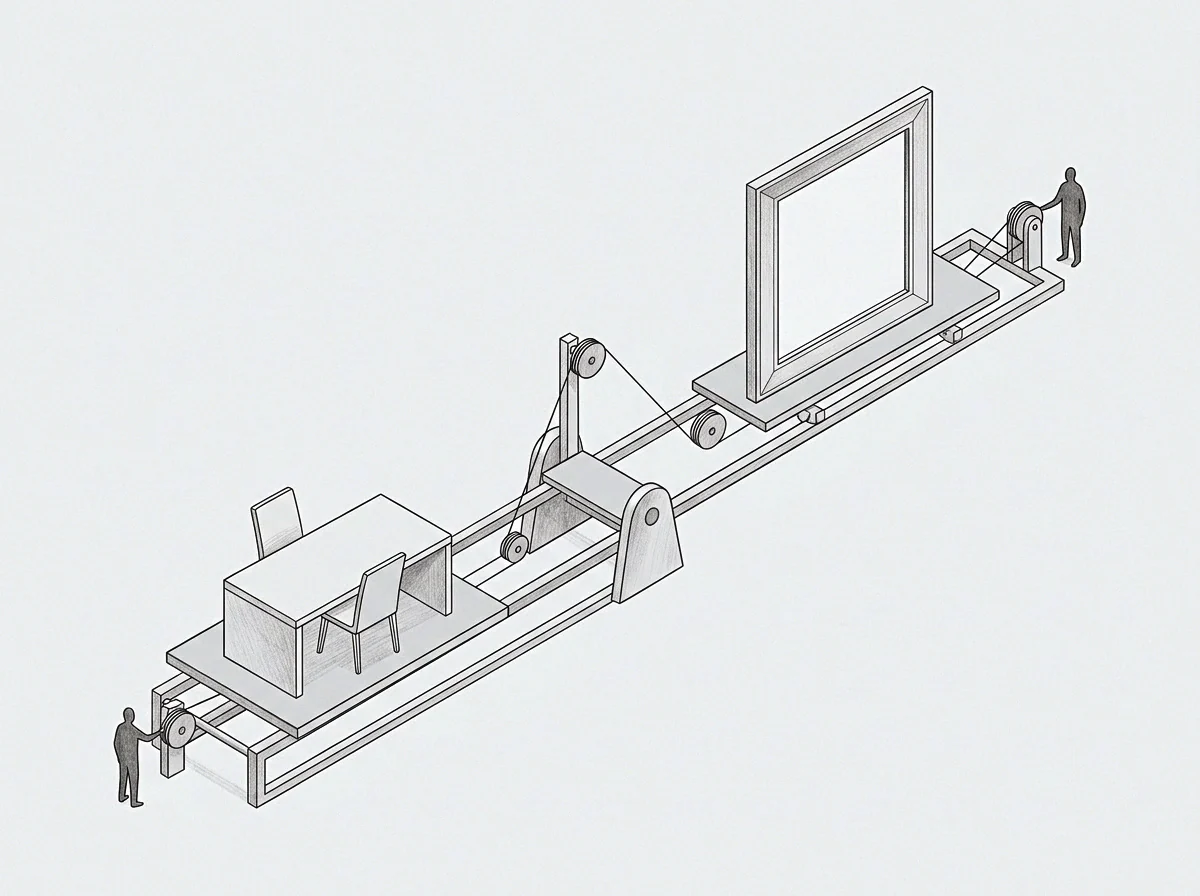
The legal agreement and the codebase function as two parallel systems governing the same transaction. The contract determines liability, while the protocol retains physical control over the assets. A court can declare a smart contract liquidation unlawful after the fact, but unwinding a finalized transaction requires an on-chain counter-transaction or a cash judgment.
An explicit cryptographic override clause bridges this gap by translating commercial forbearance into a pause instruction the protocol can recognize.

Latch
Engineers bridge legal waivers and ledger locks through specialized state-machine controls. Reconciling deterministic execution with commercial tolerance requires mechanisms that turn off-chain consent into valid on-chain transactions. Without this architecture, the lock operates as an isolated, unbending rule set.

Technical Reconciliation Architectures
Intermediary systems turn forbearance agreements into signed payloads that smart contracts can verify, standardizing how operational waivers pause or delay automated triggers.
| Reconciliation Model | Execution Mechanism | Latency Period | Evidentiary Surface |
|---|---|---|---|
| Off-Chain Legal Forbearance | Manual court injunction or post-hoc restitution claim | Days to months | Email archives and signed side letters |
| Oracle-Fed Cryptographic Waiver | Automated cryptographic attestation signed by authorized parties | Minutes to hours | On-chain oracle transaction logs |
| Multi-Sig Administrative Lockout | On-chain admin key transaction invoking protocol pause function | Seconds to minutes | Multi-signature transaction records |
Adding cryptographic attestations to protocols lets designated signatories issue signed pause commands. If a borrower requests a covenant waiver, the lender signs a structured payload using an authorized private key. The contract verifies the signature against its key registry and enters a grace period, holding off automated liquidation.
When oracle sign-offs require dual cryptographic signatures, operational forbearance delays ledger lockouts until human verification finishes.
This setup shifts the focus from post-default litigation to upfront authorization. A waiver mechanism without direct cryptographic verification remains an expression of intent rather than an operational control.

Dispute
When automated triggers seize assets despite an active forbearance agreement, the parties face immediate legal conflict. The state of the protocol contradicts the terms agreed on paper. Resolving the dispute requires examining how courts and arbitrators weigh programmatic outcomes against written commitments.

What Happens When Execution Precedes Formal Override?
In a typical scenario, a borrower maintains fifty million dollars in digital collateral across three vaults under a debt facility. A technical delay in banking clearance holds up a quarterly interest payment. The borrower alerts the lead arranger, who sends a signed email confirming a five-day grace period.
While the administrative side is settled, the underlying smart contract still runs on an unadjusted forty-eight-hour default timer.
On the third day, the contract timer runs out. The protocol initiates a liquidation sweep, sending ten million dollars of vault collateral into an external liquidity pool at a discount.
The lender accepted interest late for six months before the automated vault liquidated the underlying reserve.
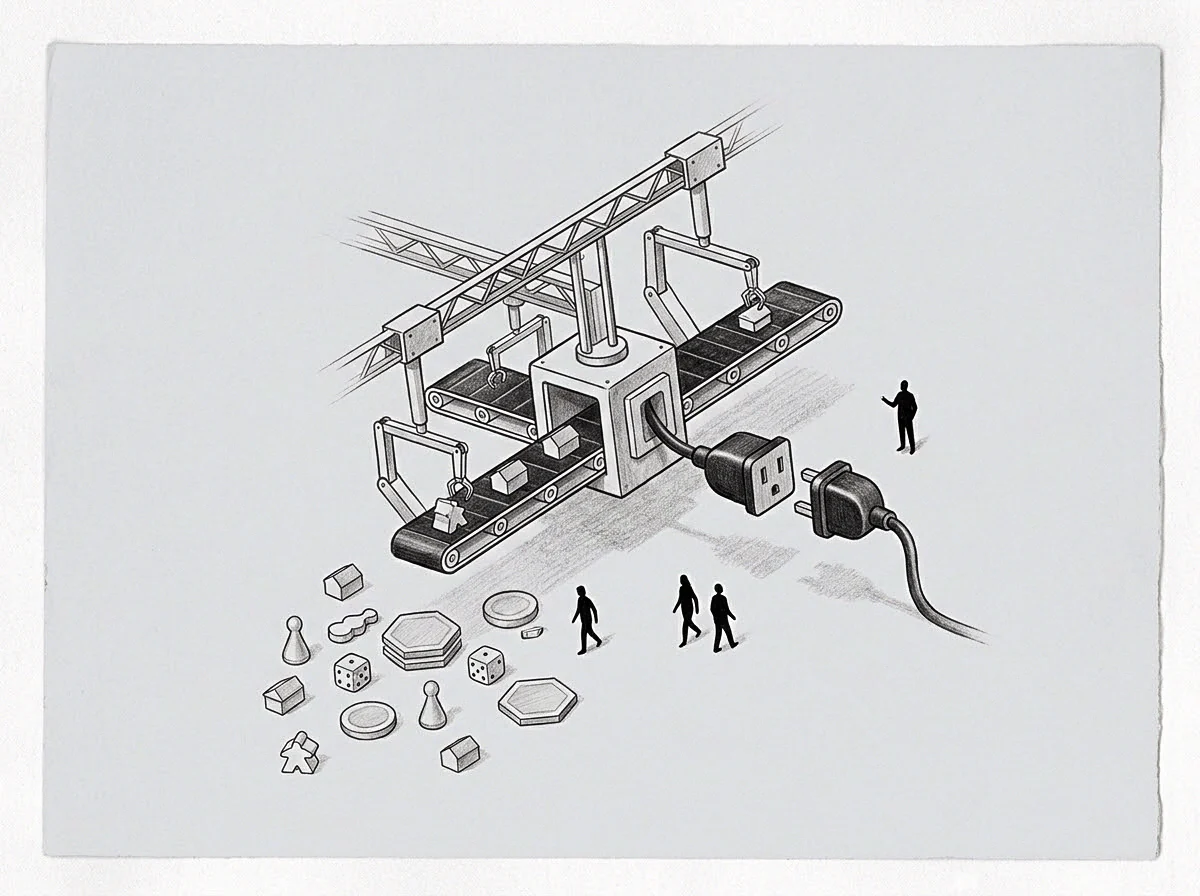
The dispute centers on claims of breach of contract, promissory estoppel, and breach of the implied covenant of good faith and fair dealing. In opposition, the defense relies on the debt agreement incorporating the smart contract code by reference as the primary settlement engine. Under this interpretation, an informal email carries no weight without a corresponding cryptographic pause transaction, leaving the automated terms active and binding regardless of side letters.
Draft
Legal counsel and software engineers align protocol parameters with contract terms through integrated waiver clauses. Clear enterprise agreements explicitly define whether written covenants or compiled smart contract code take precedence. Resolving this priority removes ambiguity when automated triggers fire during an informal waiver period.

Harmonizing Covenant Logic With Code
Commercial contracts use administrative grace windows to protect operational flexibility. Instead of permitting an immediate liquidation upon covenant failure, agreements can establish multi-stage dispute protocols.
- The inclusion of an automated grace period window before cryptographic triggers execute.
- The installation of a dual-key administrative pause mechanism held by neutral escrow agents.
- The insertion of explicit liquidity reconciliation clauses governing off-chain settlement adjustments.
A well-drafted agreement defines the exact procedure for submitting a cryptographic waiver. The contract identifies which key pairs hold signing authority, the required data fields for the payload, and the maximum duration of an administrative pause. Setting out these technical parameters directly in contract schedules keeps the legal commitments and the code aligned throughout the arrangement.
Whether courts will treat an unused cryptographic pause function as an intentional refusal to waive rights remains an open question.