Meaning
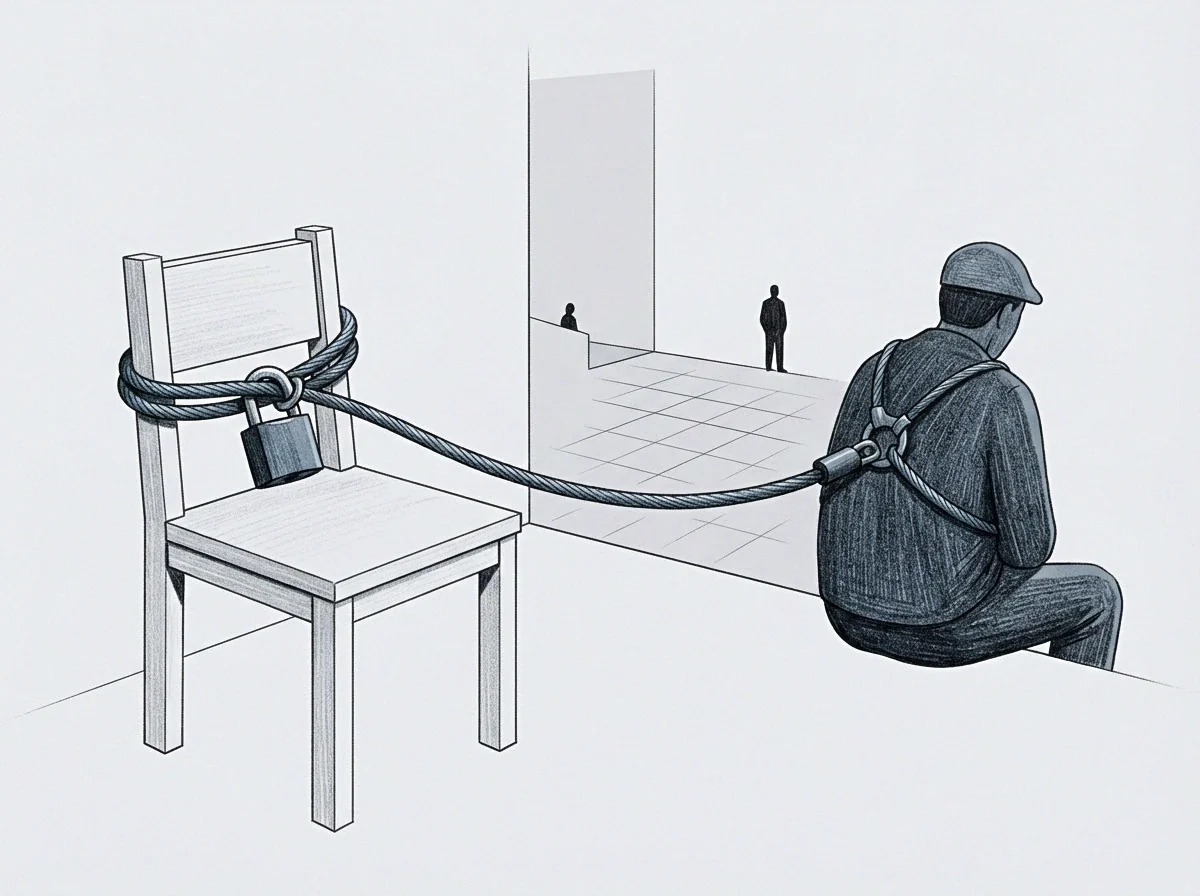
Development practice where software is built on systems disconnected from external networks to prevent unauthorized data transfer or code contamination. Working under air-gapped engineering involves severe physical limits on data entry and extraction. This restriction isolates the development environment from online repositories, remote servers and unauthorized updates.
Physical Separation
Isolation of the workstation requires that no cables, wireless signals or shared storage media connect the development environment to the outside world. This barrier forces developers to use dedicated, audited hardware for every step of compilation and testing. By preventing any direct network path, the setup reduces the chance of accidental inclusion of external proprietary code.
Software engineers working within these parameters cannot use public search engines, online forums or common digital package managers. This isolation forces reliance on a static library of pre-approved assets that has been thoroughly checked.
Transfer Protocol
Movement of permitted files occurs through a single, audited bridge such as a read-only medium that is inspected before and after mounting. This procedure leaves an immutable log of every piece of code that enters the secure zone. Security teams inspect the transfers to confirm that no unlicensed dependencies or foreign assets cross the threshold.
Verification Record
Audit history from this isolated environment provides clear evidence of the provenance of the final work product. This log stands as a strong defence against claims of copyright infringement or trade secret misappropriation. The resulting trail proves that the software was written without reference to external copyrighted source materials.