Meaning
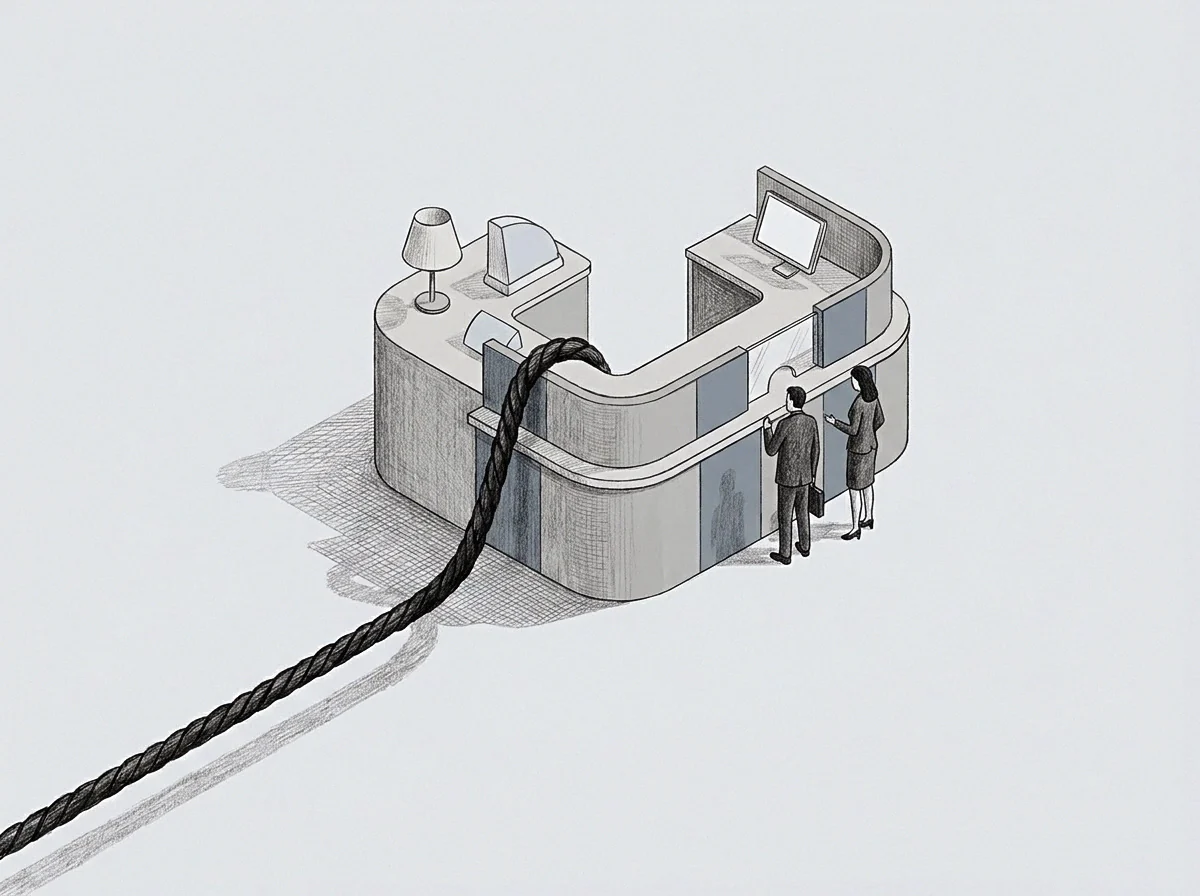
An unauthorized appropriation or reallocation of business property transforms enterprise assets into personal or secondary custody. In corporate operations after founding, asset conversion occurs when physical machinery, source repositories, registered internet domains, or deposited venture capital move outside corporate control without formal director consent. Such reallocation breaches ownership standards recognized across commercial property jurisprudence.
The actionable boundary begins at the instant unauthorized control is asserted over the property. Protection dissolves when documented director authorizations or written bilateral releases explicitly permit the property transfer.
Evidentiary Record
Contemporaneous documentation demonstrates the rightful chain of custody through financial receipts, repository logs, asset purchase schedules, and equipment assignment forms. Demonstrating asset conversion relies on timestamped operational data that track custody from initial acquisition to the contested transfer. Server check-in histories and account permission changes show whether a departure involved the removal of intellectual property.
Missing chain-of-custody documentation forces organizations to spend substantial founder capacity verifying historical equipment allocations.
Valuation Variance
Economic evaluation determines the monetary disparity between the fair market value of the diverted property and its recovered condition. When asset conversion affects intangible properties such as proprietary code or operational databases, calculating replacement expense presents technical complications because open exchange markets for unreleased enterprise technology do not exist. Qualified valuation specialists compute replacement engineering labor, historical consulting fees, or baseline creation expenses to arrive at a monetary figure.
Founder statements of emotional entitlement or personal sacrifice receive no weight alongside formal hardware invoices and vendor payment records.
Restitution Cost
Remedying an unapproved reallocation requires substantial administrative expenditure and executive attention. Reversing asset conversion involves forensic data extractions, external accounting reviews, and binding reallocation releases. Consuming executive capacity on documentation reviews slows capital formation and strains early professional relationships.