Meaning
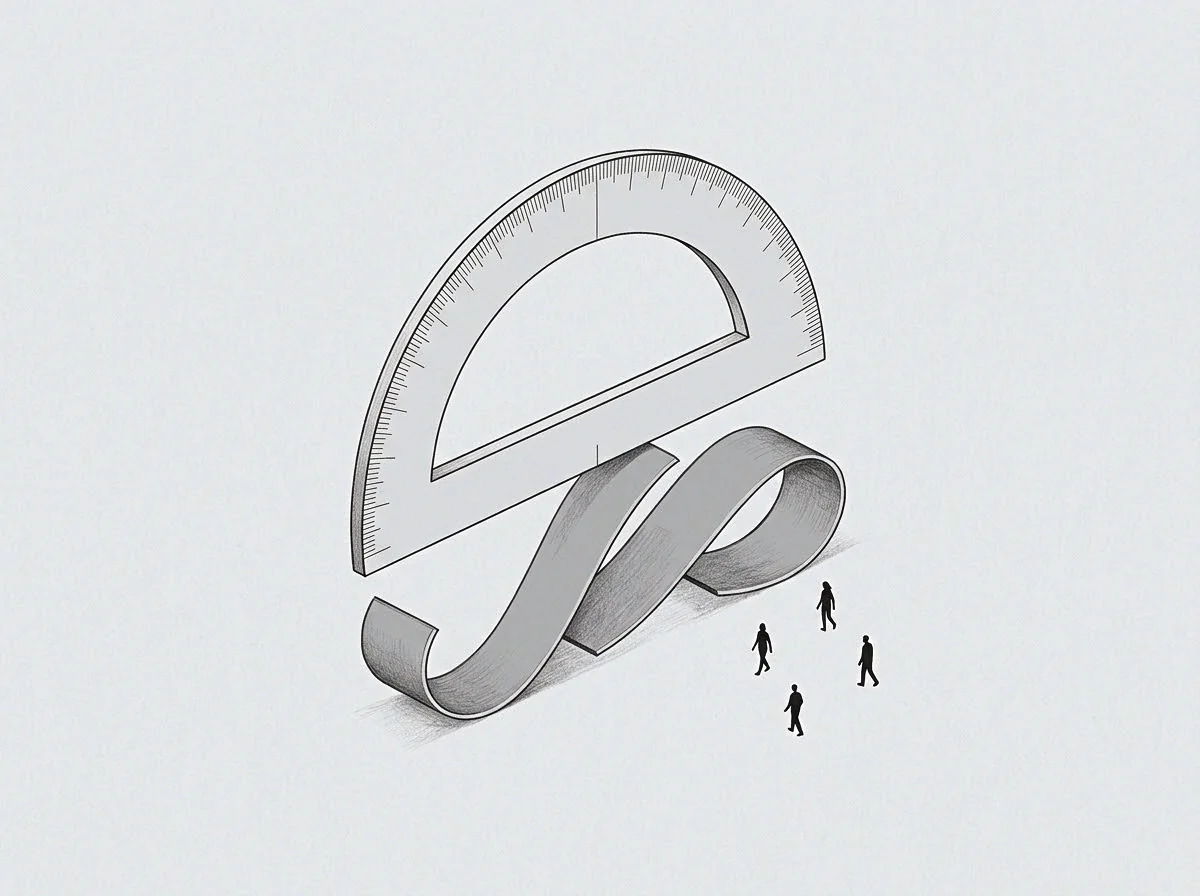
Cognitive distortion occurs when past intentions shift unevenly as time passes from an initial agreement. Asymmetric memory decay creates diverging interpretations of verbal contracts because participants weigh their own contributions more heavily than those of others. This mental drift alters the perceived scope of duties originally shared during the creation of a venture.
Record Variance
Documentation provides a static anchor against these internal shifts. Misalignment arises because the human brain retains specific procedural details while discarding the associated administrative context of the founding period. Partners hold firm onto their unique motivations, creating a gap between objective written terms and personal recollection.
Evidence Requirement
Formal written statements mitigate the risks inherent in fading neural recall. Precise timestamps and clear signature blocks verify the state of intent at the exact moment a decision took shape. Such data prevents future disputes where individuals might rely on contradictory accounts to redefine their original equity or operational standing.
Duration Impact
Discrepancies widen proportionally to the span between the event and the moment of verification. Regular review of governing documents prevents the erosion of clarity that usually defines long-term professional partnerships. High levels of objective documentation effectively neutralize the natural human tendency toward self-serving reconstruction of past events.