Meaning
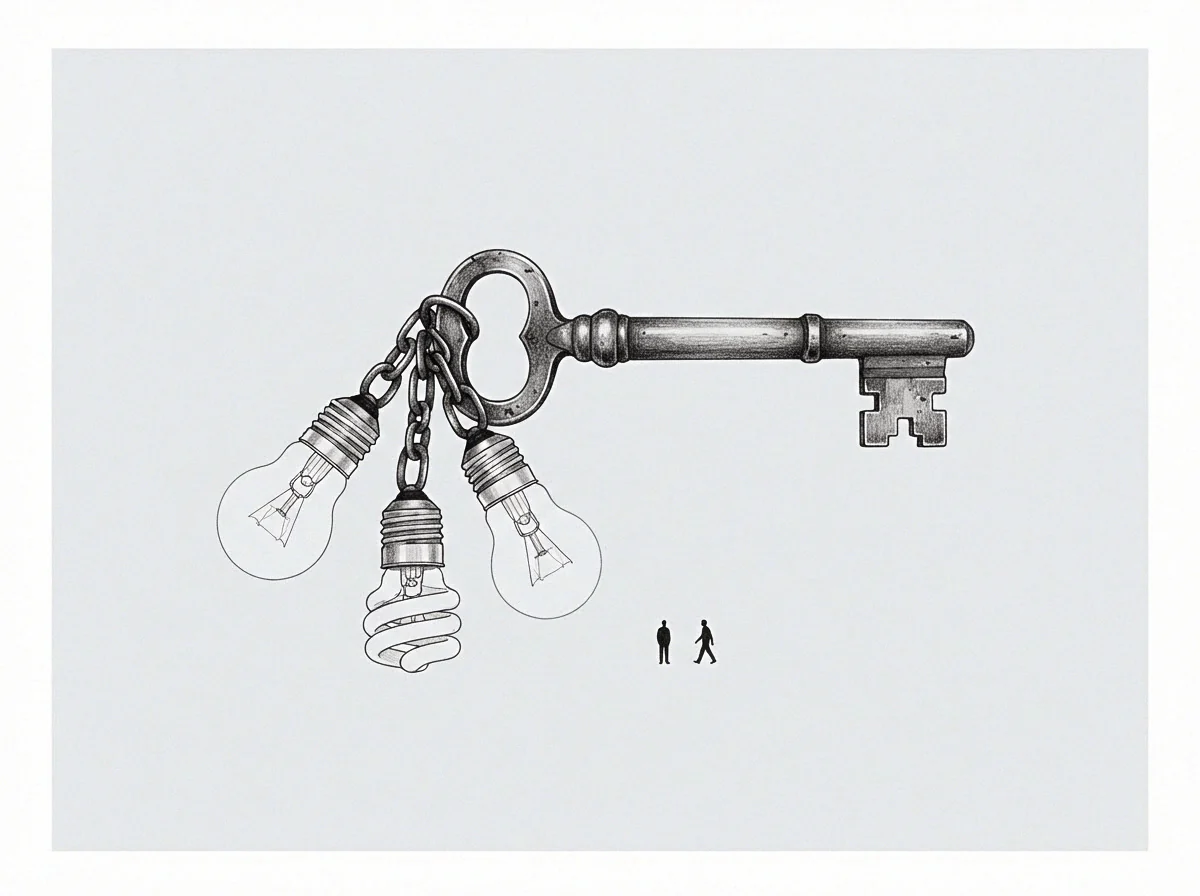
Cryptographic key updating without real-time coordination between distributed participants allows independent nodes to refresh keying material at separate times. The process of asynchronous rotation replaces operational secrets while retaining historical trust boundaries across disconnected logs. It governs credential lifecycle transitions where parties cannot maintain active network sessions during state changes.
The boundary of this mechanism ends when a cryptographic protocol strictly requires synchronous multi-party computation to generate new public shares.
Operational Timing
Independent updates prevent systemic lockouts when counter-parties operate across disjointed maintenance schedules. Executing an asynchronous rotation relies on pre-declared overlap windows or dual-active key registries. This structure protects long-running post-founding governance archives from stale authority claims.
Verification Drift
Disconnected credential updates introduce temporal windows where legacy signatures remain valid alongside newly issued keys. A node verifying historical assertions during an asynchronous rotation must consult a timestamped key state audit log to confirm which credential held authority at the exact moment of execution. Without signed temporal anchors, conflicting signature validations arise between nodes running mismatched key databases.
This discrepancy leads to rejected transactions or unverified administrative actions.
Audit Recovery
Historical key state records provide the factual baseline needed to reconcile actions taken during mismatched key intervals. Tracking each asynchronous rotation inside immutable logs ensures that past assertions are evaluated against the specific key active during their creation.