Meaning
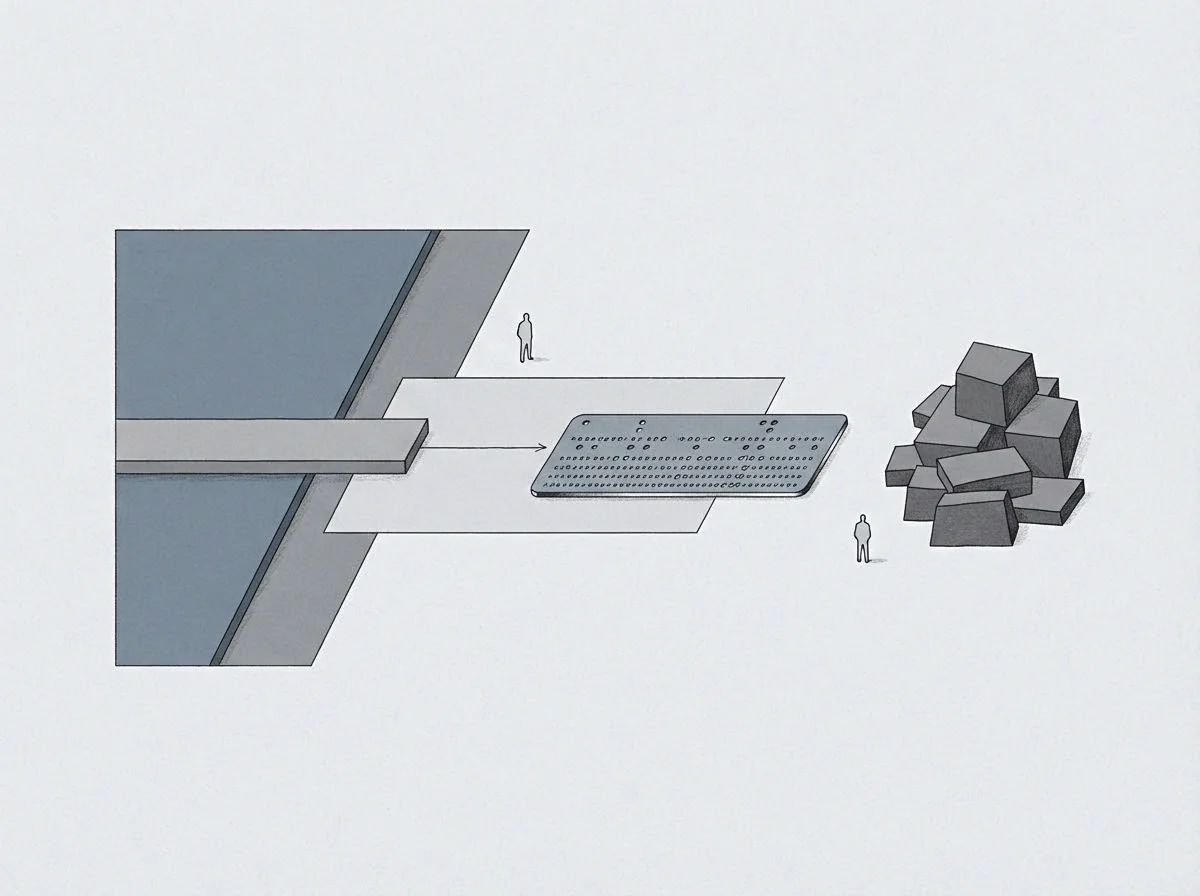
Formal procedural boundaries established prior to a financial or operational examination prevent moving targets during investigative reviews. Enforcing audit scope freezing locks the specific systems, timeframes, and records subject to evaluation. The mechanism restricts auditors from expanding inquiry parameters without written authorization, securing predictable bounds for corporate disclosure.
Statutory fraud provisions override these restrictions if active concealment is proven.
Protocol Fixation
Operational parameters selected for review require clear documented milestones before inspectors receive system access. Establishing audit scope freezing ensures that logging mechanisms, ledger snapshots, and interview lists remain static throughout the review period. Changes to data models or organizational charts occurring after the boundary date remain outside the current inquiry.
Managing these parameters prevents unbudgeted administrative friction.
Evidential Boundary
Written records created outside the designated evaluation period fall under separate evidentiary rules. Once audit scope freezing takes effect, additional documentation submitted by either party requires an explicit petition for variance. Formal requests must show that the material was unavailable during the initial intake phase.
Unilateral additions invalidate the standardized comparison framework.
Compliance Impact
Corporate entities face operational disruption when review boundaries drift without formal control. Implementing audit scope freezing protects administrative capacity during multi-week inspections. Uncontrolled expansion drains engineering hours and delays financial filings.
Controlled boundaries preserve institutional focus.