Meaning
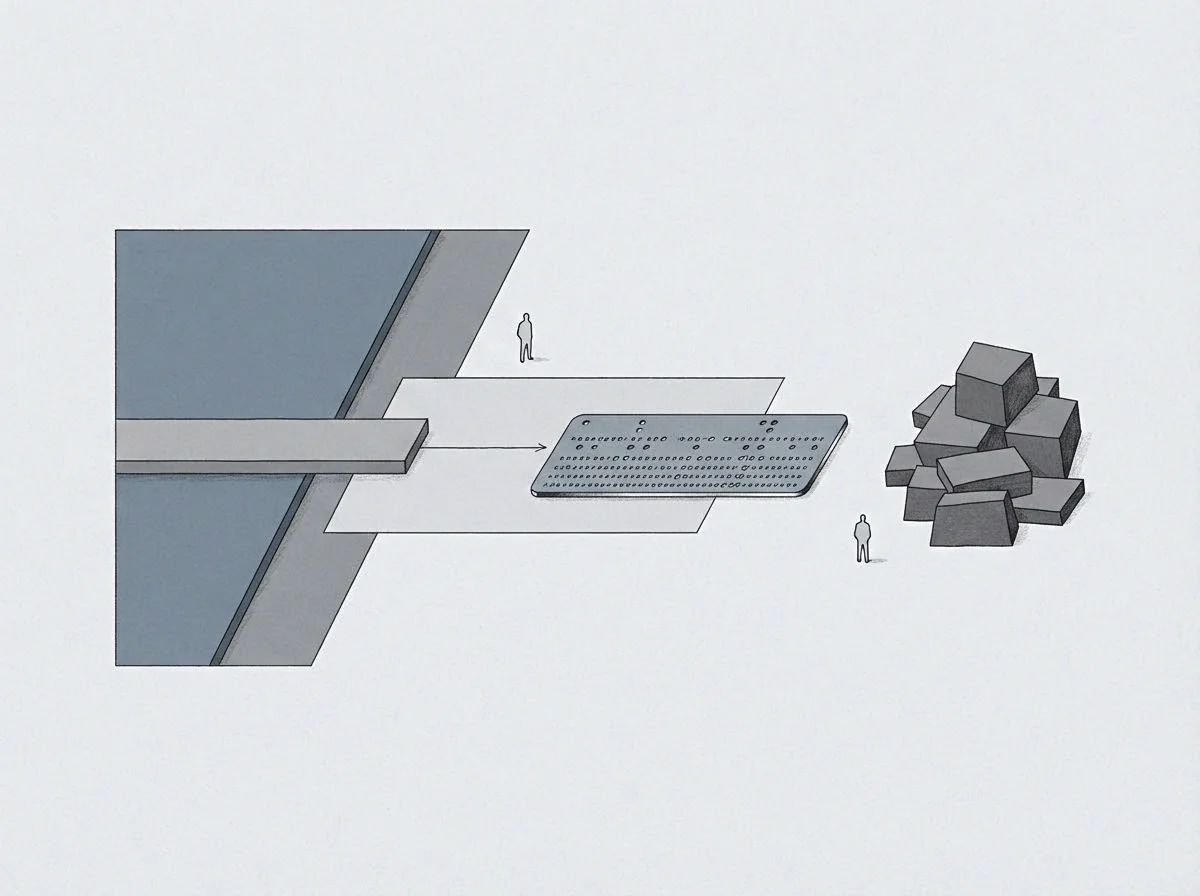
Informal changes to the terms of a deal through the behavior of the parties can alter legal obligations without a single new word being typed. An unwritten contract revision occurs when both sides consistently act in a way that contradicts the original document. These patterns of conduct create a new set of expectations that a court might recognize as the true agreement.
It governs the relationship until one party objects or a formal amendment is signed.
Behavioral Proof
Proving that a change occurred requires showing a long and consistent history of new actions. An unwritten contract revision is seen in the way payments are accepted late or work is delivered in a different format than specified. If these actions continue for months without a complaint, the original requirement might be considered dead.
Dispute Probability
Problems arise when one party decides to suddenly return to the strict letter of the written contract. Because the unwritten contract revision was never formalized, there is often no record of when it started or what the exact new rules were. This leads to disputes where each person has a different memory of what they agreed to.
Record Defense
The best way to avoid the complications of these informal shifts is to document every deviation from the plan. Even a simple email acknowledging a change can prevent a behavioral pattern from becoming an unwritten contract revision. Keeping the written record in sync with the daily reality of the work protects both sides from unintended losses.
This practice ensures that the final record of the relationship matches the lived experience of the participants.