Meaning
A psychological threshold defines the point where a negotiator ceases rational concession and adopts a defensive posture. The behavioral bargaining limit marks the transition from value creation to position preservation. It governs the maximum acceptable loss of utility before a party prefers no deal over a compromised one.
The boundary is reached when the emotional cost of concession outweighs the financial gain of the agreement.
Negotiator Constraint
Internal pressures often dictate the specific point at which a founder stops negotiating. A behavioral bargaining limit is frequently anchored to a previous high valuation or a specific historical contribution. When the market offers less than this internal anchor, the negotiator often views the gap as a personal loss.
This psychological floor stays fixed even as the financial reality of the business shifts. The resulting impasse often triggers a search for alternative buyers who do not exist.
Concession Boundary
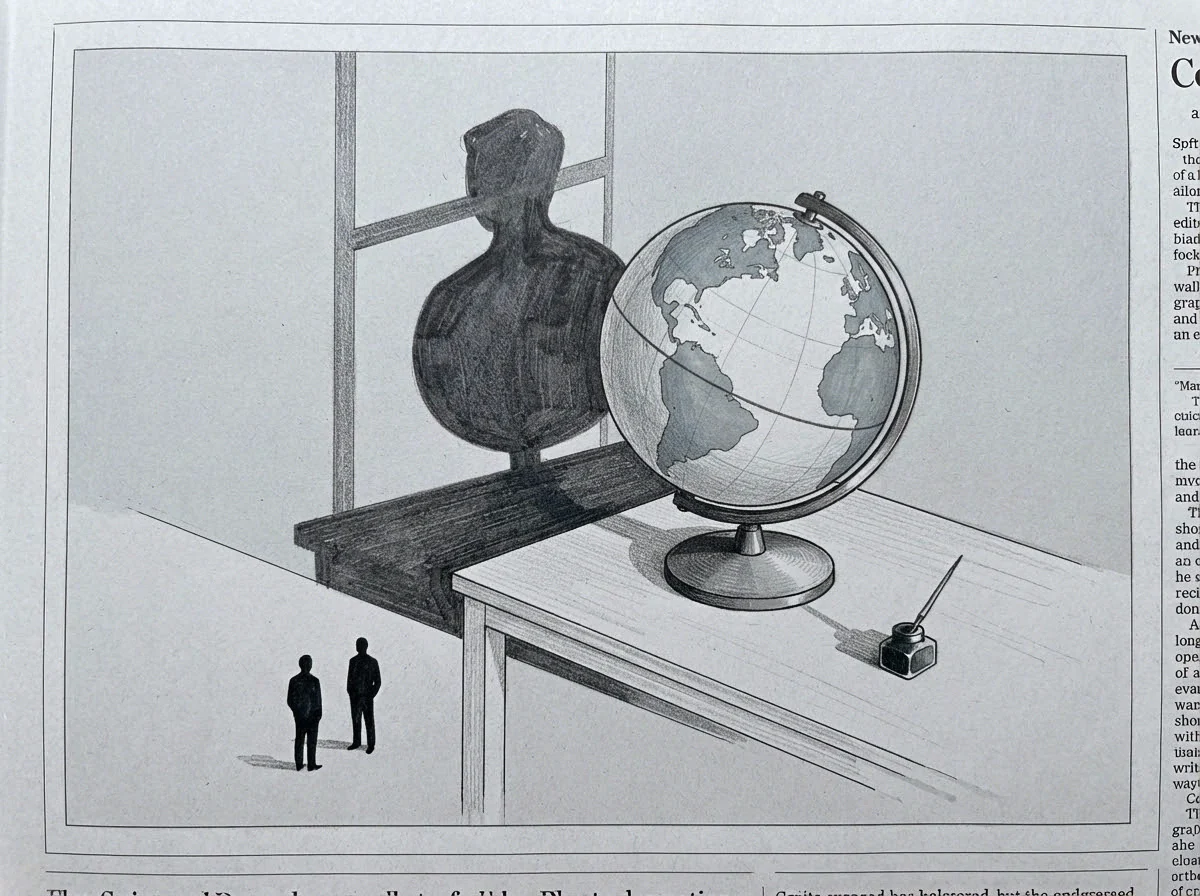
Records of past deals show that negotiators often walk away from objectively beneficial offers once they pass a certain limit. This behavioral bargaining limit functions as an invisible wall in the negotiation room. It prevents the settlement of disputes where both parties would have gained from a compromise.
The record of the failed deal stands as proof of the internal constraint.
Resistance Point
Hard limits are rarely stated in the initial offer but emerge during the friction of the exchange. A behavioral bargaining limit becomes evident when a party ignores logical incentives to close. It costs the firm hours of executive focus and potentially the entire deal.
The limit represents the final point of irreversible rejection.