Meaning
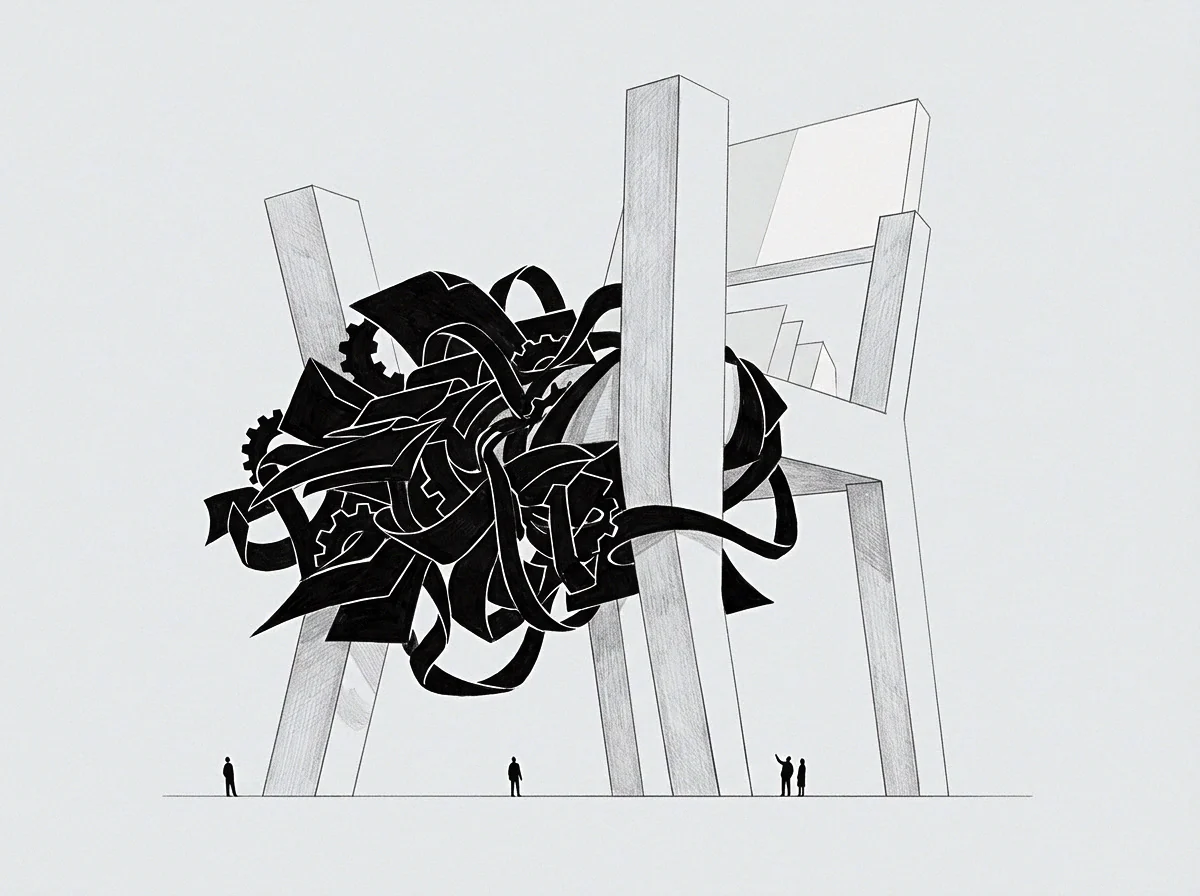
Cap table drift is an unrecorded divergence between the actual ownership distribution in a company and the figures captured in its official ledger. This cap table drift arises when internal changes such as equity grants or informal agreements occur without the corresponding legal paperwork to update the register. It creates a gap where the reality of entitlement diverges from the documentary evidence maintained by the board.
Operational Risk
Inaccurate records create substantial confusion during events involving ownership verification. Administrative delays often cause this cap table drift to accumulate as companies prioritize growth activities over the maintenance of legal instruments. Founders face significant complications when external investors demand clean data during a financing round because the reconciliation of these errors consumes hours of administrative capacity.
A discrepancy left unaddressed for long durations increases the probability of ownership disputes.
Formal Proof
Proof of ownership requires a direct link between a signed board resolution and the current database of shareholders. The cap table drift obscures this chain of evidence by leaving phantom equity gaps that appear on nobody’s formal statement. Lawyers require clear documentation to reconstruct the timeline of issuance and ensure that the dilution percentages match the math of the original corporate charter.
Every undocumented movement represents a weakness in the ability of the firm to defend its own structure against claims by former participants.
Economic Consequence
Legal fees mount quickly when external counsel must perform audits to rectify inconsistencies in the history of the company. These expenses arise because the firm lacks a single authoritative source of truth for its equity commitments. Resources diverted to resolve historical inaccuracies reduce the available capital for operational development.
Precision in the documentation of every issuance is the only way to prevent the emergence of this state.