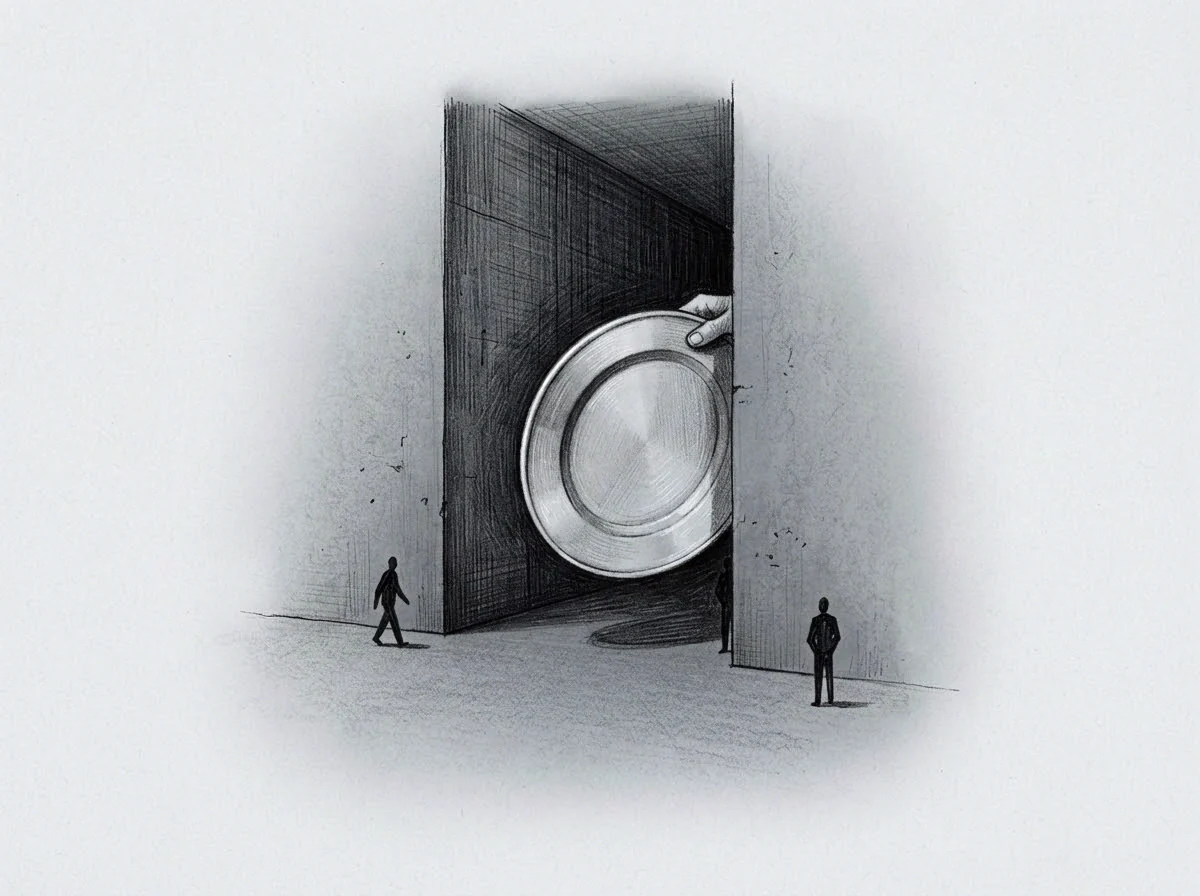
Meaning
Intellectual property isolation permits the removal of specific software components from a legacy environment without including restricted third-party code. Engineers perform clean-room extraction to ensure that new products remain free from the licensing obligations of previous ventures. This technique relies on a functional specification written by one team and implemented by another who never saw the original source code.
The process concludes when the new codebase passes a forensic audit for originality.
Evidence Isolation
Legal teams require a documented history of the development process to prove the independence of the new asset. The clean-room extraction method generates a log of communications that shows no protected information crossed the boundary between the designers and the programmers. This record protects the founder from claims of copyright infringement or trade secret misappropriation.
Implementation Friction
Engineers working in the secondary environment follow a strict protocol to prevent accidental contact with the original source code. This separation ensures that the resulting software is a truly independent creation rather than a derivative work. The cost of this friction is measured in additional development hours and the need for redundant expertise.
It remains a necessary expense to protect the product from litigation.
Audit Proof
Independent reviewers verify the isolation by comparing the legacy code with the new implementation. The clean-room extraction process produces a log of all design decisions and code commits to show independence. This evidence is essential for defending against future intellectual property claims.