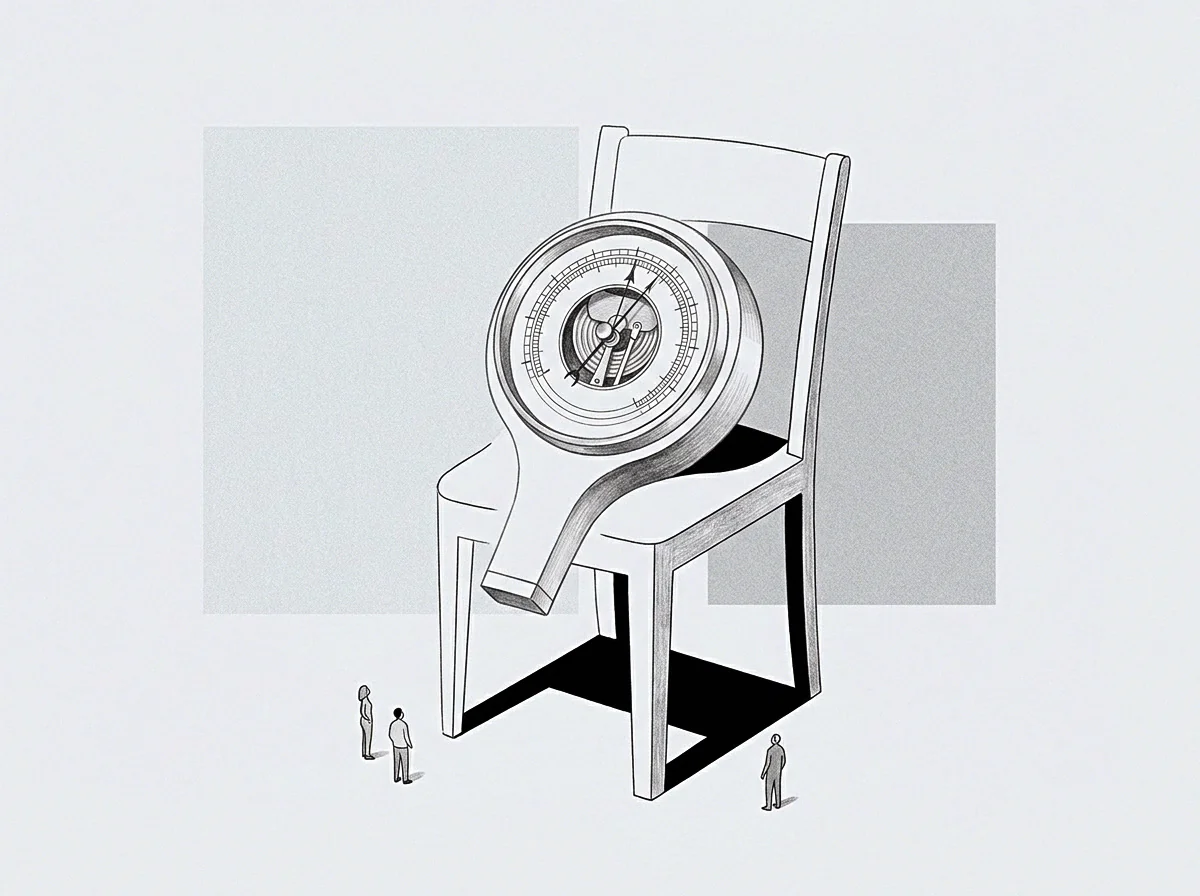
Meaning
Property law recognizes a state where multiple parties hold interest in a single asset through shared use and management. When individuals act as joint owners, co-ownership conduct establishes a record of mutual control over the physical and financial life of the asset. This state differs from a partnership because it focuses on the asset itself rather than a broader business goal.
Evidence typically appears in the form of joint bank statements or shared maintenance logs.
Shared Control
Collective decision making demonstrates intent regarding the asset. If two individuals pay for repairs from a common fund, they engage in co-ownership conduct that a third party might use to verify their joint status. Records of these decisions form the basis for later property claims.
Implicit Agreement
Possession is the most visible aspect of this arrangement.
Conflict Resolution
Dispute outcomes depend on the clarity of the historical record regarding contributions and access. Because co-ownership conduct is often unwritten, it relies on receipts, calendar entries, and witness accounts of how the parties divided their time and expenses. The cost of failing to document these interactions is high when one party attempts to exit the arrangement with a disproportionate share.
A clear record of payments and repairs often determines the final division of the asset value. Lack of paper proof leaves the asset vulnerable to the strongest surviving claim.