Meaning
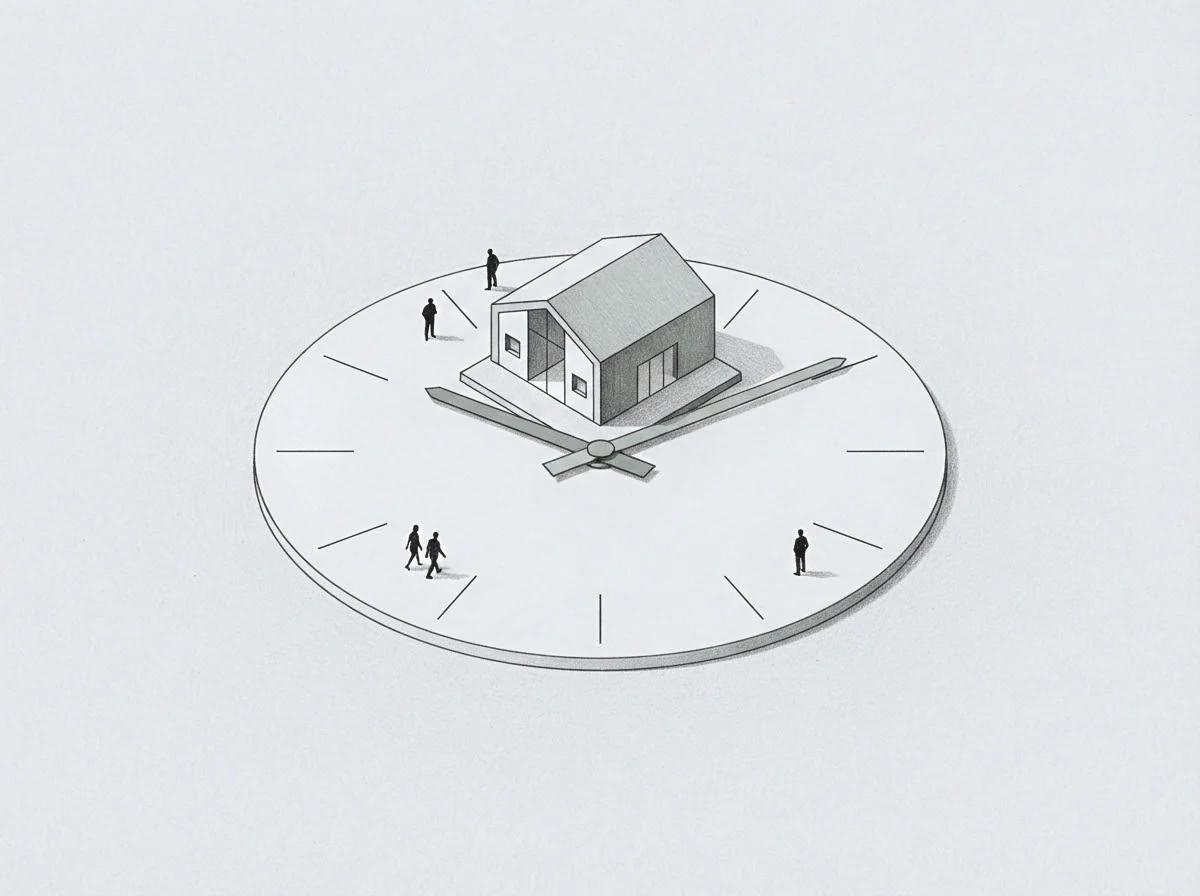
Divergence from the original business model occurs when daily operational decisions slowly accumulate to alter the target customer base or service delivery method. This silent transition is known as commercial drift, and it usually proceeds without formal board approval or strategic re-evaluation. Startups often experience this shift when attempting to satisfy a few vocal enterprise clients at the expense of their broader market strategy.
Gradual Shift
Shifting focus of this nature is driven by short-term survival needs rather than long-term planning. The commercial drift begins when custom feature requests are accepted to close immediate sales. Over time, these concessions accumulate until the product becomes too complex for the original target audience.
Operational Cost
Service delivery complexity increases when custom code bases must be maintained for separate client tiers. A company suffering from commercial drift faces higher engineering hours and reduced capacity to innovate. It forces support teams to manage disparate configurations, which erodes the margin on each account.
Additional hours are spent on manual intervention rather than automated scale, creating a permanent drag on growth.
Detection Method
Tracking the deviation between the initial product roadmap and actual development sprint allocations reveals this divergence. Systematic comparison of revenue concentration per customer provides early warning of commercial drift.