Meaning
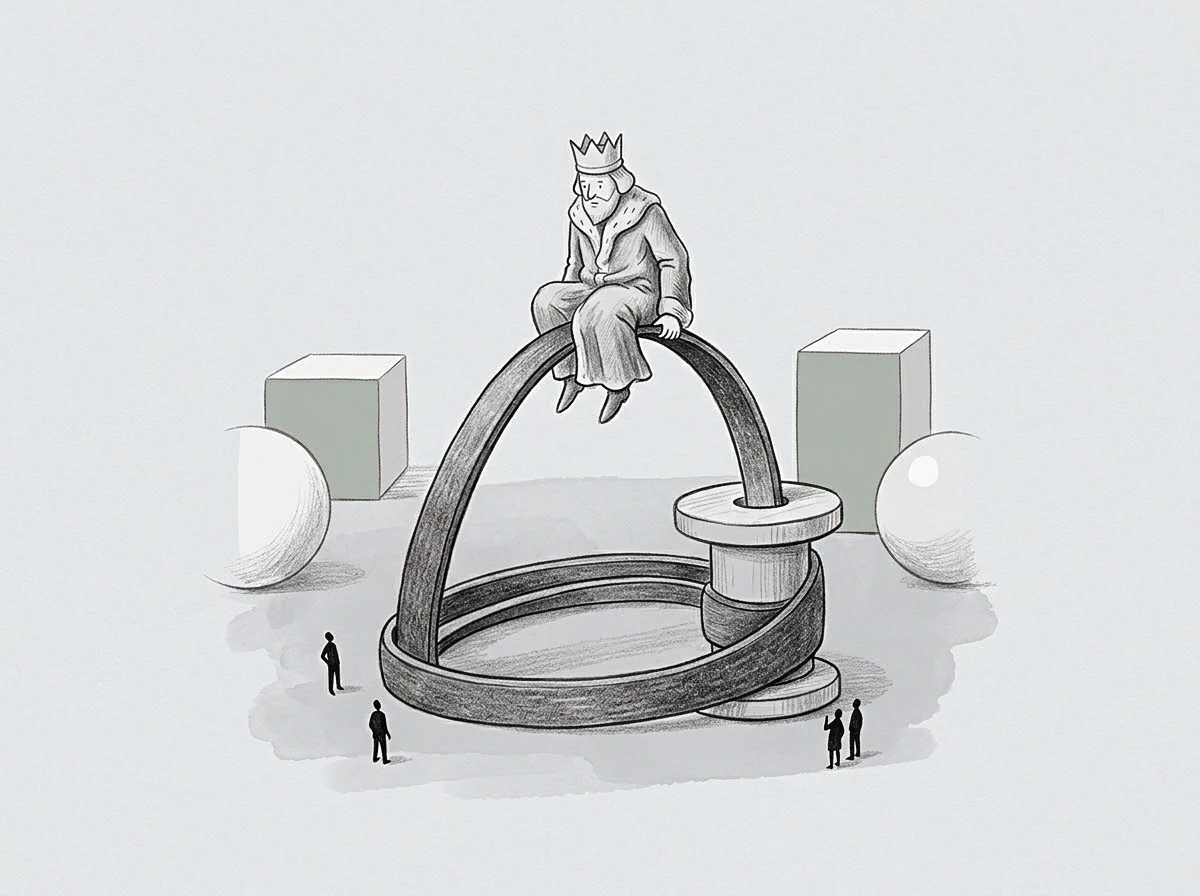
Information erosion occurs when original intent or details fade during repeated transmission between parties. The communication decay seen in growing organizations leads to a loss of technical precision and strategic alignment. This phenomenon stops being a risk only when every directive is recorded in writing.
Temporal Degradation
Time strips the nuances from a verbal instruction until only a vague impression remains. An awareness of communication decay forces a founder to repeat core messages through multiple channels. The lack of a written trace makes it impossible to find where the signal was lost.
Signal Loss
Distortions in the message grow as the number of intermediaries increases. Identifying communication decay requires a comparison between the original email and the final action taken by a team. Managers often find that forty percent of the original detail disappears within three layers of management.
Documentation acts as the only permanent shield against this thinning of intent.
Verification Burden
Monitoring the accuracy of information flow costs hours of managerial attention. The presence of communication decay increases the need for feedback loops and status reports. A company that relies on memory rather than records will eventually lose its ability to execute complex tasks.