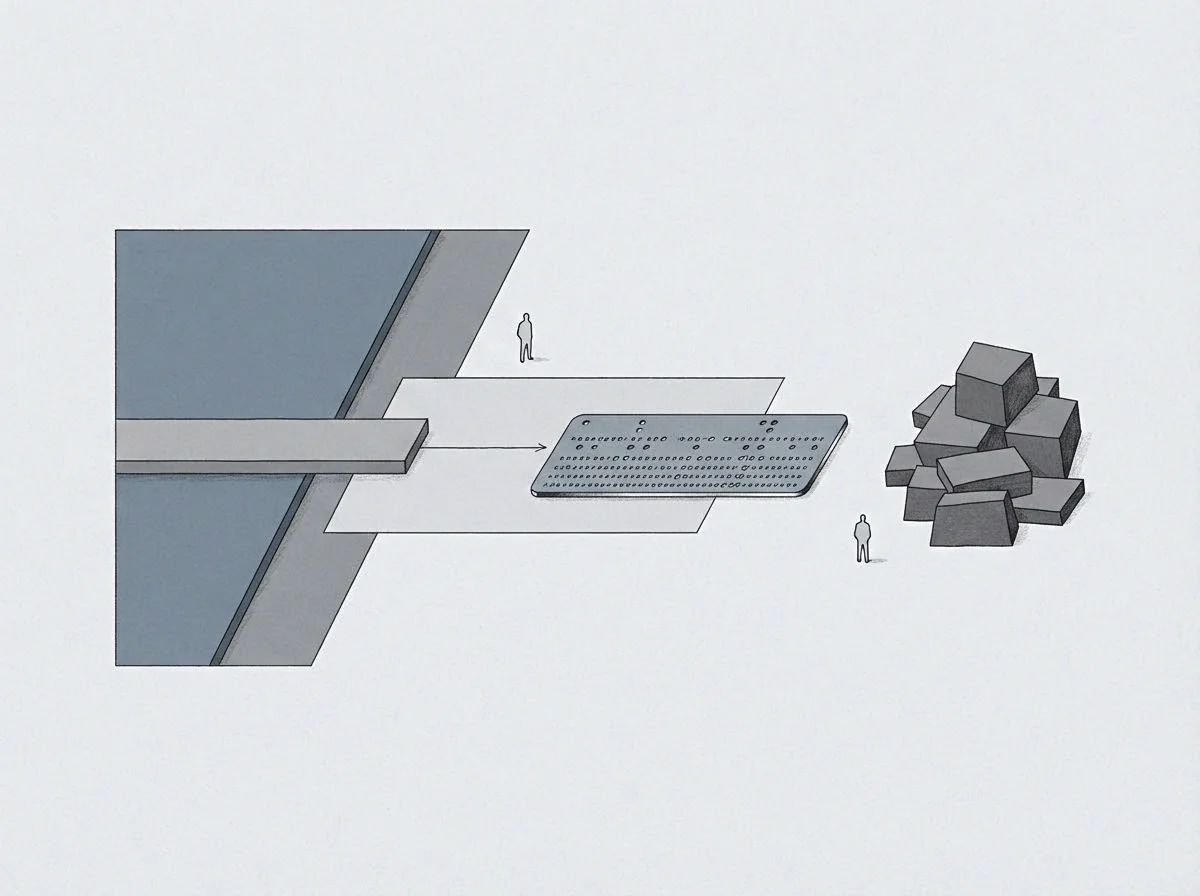
Meaning
Formal modifications to a legal agreement occur when parties agree to alter specific terms without replacing the entire document. A contract amendment identifies which clauses are removed or replaced while the original framework remains in force. A specific mechanism prevents the need for a total rewrite when only a subset of obligations or deadlines requires adjustment.
It stops applying once the parties execute a novation or the original agreement expires.
Formal Structure
Written records of change ensure that both sides remain aligned on new duties. The contract amendment usually references the original document by date and parties to maintain a clear chain of authority. Signatures from authorized representatives transform a verbal discussion into a binding record.
Effective Date
Timing determines when the new obligations start to override the old ones. Such timing allows for retroactive adjustments or future shifts in responsibility that the original agreement did not anticipate. It establishes a firm boundary between past performance and future expectations.
Legal Weight
Courts look to these documents to resolve disputes over which version of a rule applies. While informal emails might suggest a change, a signed contract amendment provides the definitive proof required for enforcement, because it represents a clear meeting of the minds that was intended to be permanent. Signatures transform the record.
It reduces the risk of one party claiming they never agreed to the shift in scope or price.