Meaning
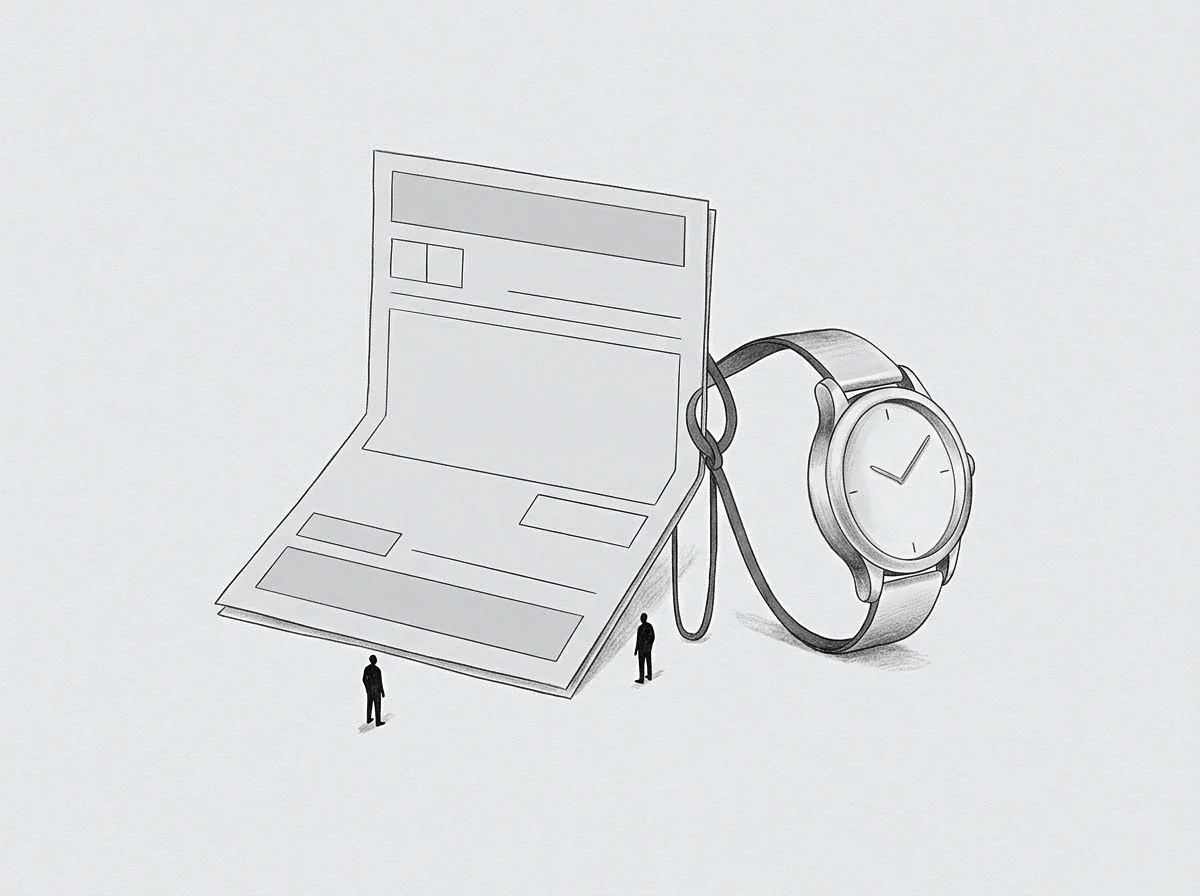
Preliminary documents outline the proposed terms of a contract before the parties reach a final consensus. A draft agreement facilitates the exchange of ideas and the identification of points of contention. It remains non-binding until all participants provide their signatures and fulfill the closing conditions.
This record captures the evolution of a deal as it moves from a concept to a legal reality.
Negotiation Cycle
Iterative changes occur as each side reviews the language and proposes revisions. The draft agreement travels between legal teams and stakeholders to ensure that all requirements are met. It acts as a workspace where trade-offs are visualized and debated.
Version Control
Sequential numbering and timestamps track the history of the document to prevent confusion. The draft agreement must be carefully managed to ensure that everyone is working from the most recent set of terms. Missing a single redline can lead to the inclusion of unintended clauses in the final version.
Organizations use software to highlight the differences between two iterations. This rigorous tracking preserves the intent of the negotiators and prevents the reintroduction of rejected terms.
Final Approval
Authorized signers review the document one last time before execution. The draft agreement transforms into a binding instrument once the last hurdle of internal review is cleared. It represents the culmination of the consensus-building process.