Meaning
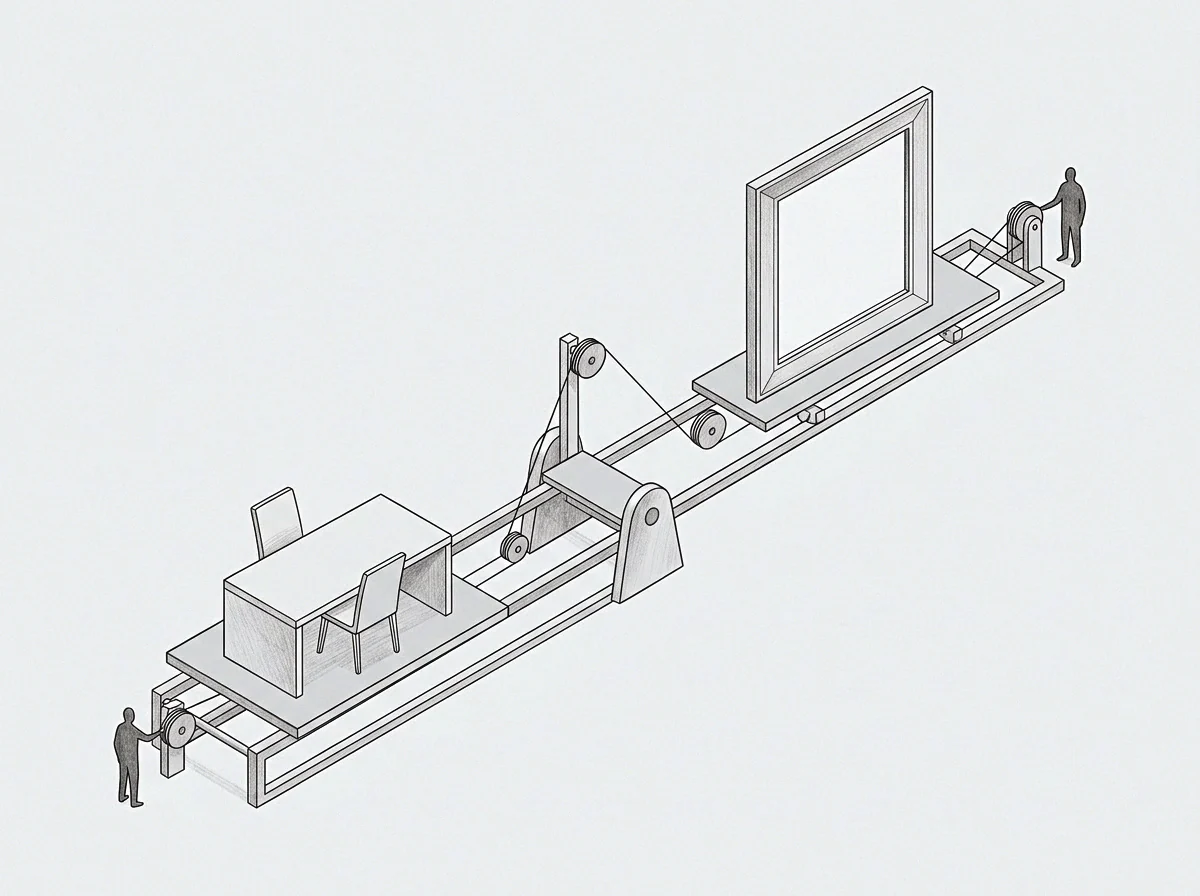
Recordkeeping systems calculate fluctuating share distributions among cofounders based on ongoing contributions of time or cash funds. Operating throughout early stage venture development, a dynamic equity ledger continuously recalculates equity allocations according to pre-agreed mathematical formulas. This framework governs founder relative equity percentages until a fixed capitalization state is established.
The applicability of this system ends once fixed vesting schedules or priced institutional investment rounds lock equity allocations.
Tracking Methodology
Quantitative inputs capture individual hourly commitments and financial capital contributions. Inside a dynamic equity ledger, each contributor logs verifiable milestones and resource inputs. These entries convert human and financial capital into proportional equity ratios.
Adjustment Rules
Contractual formulas govern how missing hours or capital shortfalls reduce a founder’s relative equity share. When one contributor reduces active involvement, the dynamic equity ledger automatically recalculates future share entitlements to protect active team members. This continuous rebalancing prevents deadweight equity problems common in static split arrangements.
Pre-agreed conversion rates ensure that financial capital and labor hours receive consistent valuation relative to defined performance milestones. Transparent tracking rules eliminate subjective renegotiations when venture priorities shift.
Dispute Prevention
Contemporaneous logging of operational contributions provides objective documentary evidence of member performance. By substituting verified performance logs for subjective memory, a dynamic equity ledger minimizes post-separation conflict between cofounders. Clear written rules prevent departing members from claiming unearned equity allocations.
Standardized calculation methods protect institutional clarity across multiyear development periods.