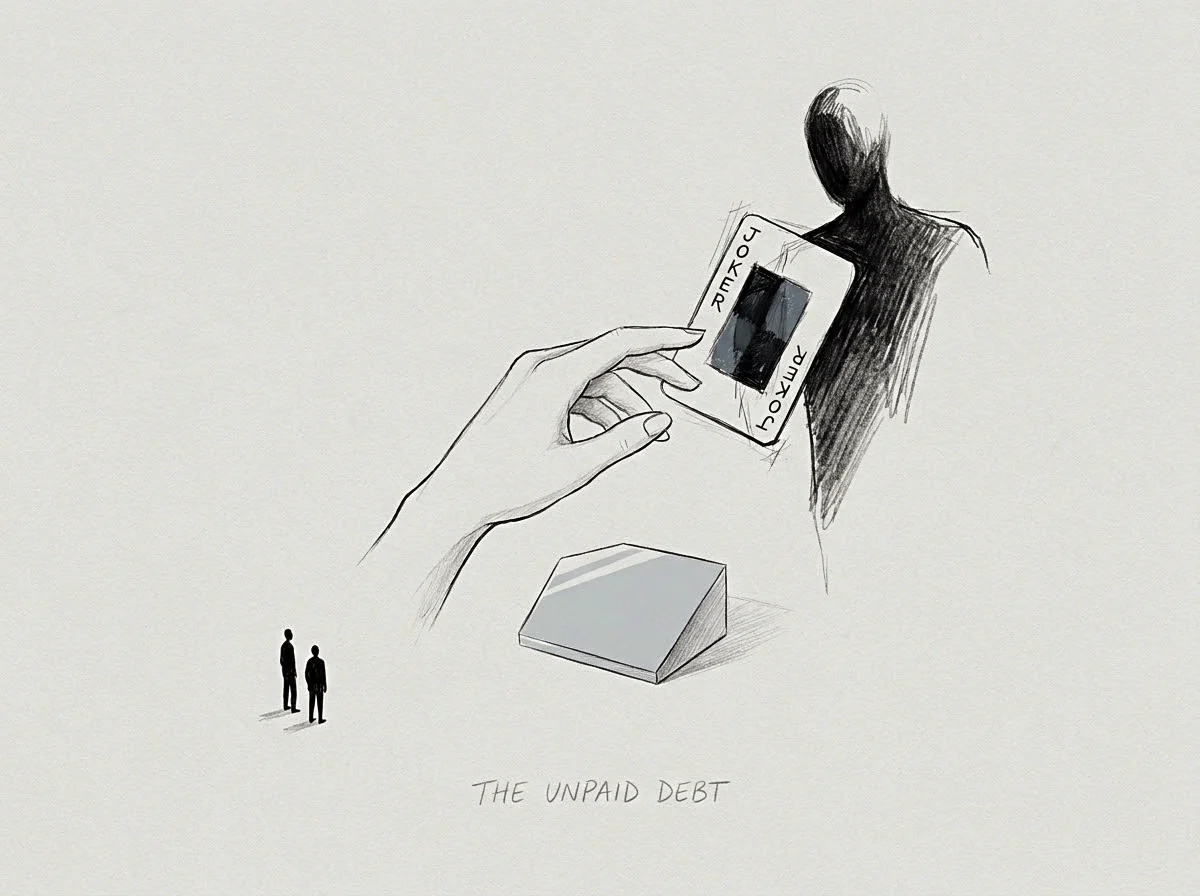
Meaning
Personal memory retention functions as a cognitive filter that adjusts the perceived contribution of an individual relative to the collective output of a team. This egocentric recall bias happens because the brain catalogs events through a perspective limited to the internal thoughts and physical actions of the actor. The phenomenon distorts the accuracy of logs and retrospective summaries drafted after the dissolution of a partnership.
It creates a gap between the actual chronology of events and the subjective importance assigned to one specific participant.
Evidence Divergence
Documented logs from the time of the event offer a defense against the subjective shift in later accounts. Discrepancies arise when two founders reconstruct a shared timeline because each brain prioritizes different inputs based on direct involvement. Relying on written records rather than mental snapshots prevents the erosion of facts that typically occurs as time passes.
Professional teams maintain status updates during the operating period to avoid the common habit of inflating personal impact.
Record Preservation
Accurate historical reconstruction requires dated artifacts that exist independently of human memory. A physical trail of correspondence or a timestamped file serves as the objective baseline for an audit. These artifacts resist the cognitive tendency to assign excessive credit to the self during the period after founding.
Maintaining a neutral paper trail saves the energy and hours otherwise lost in resolving conflicting claims over ownership or task distribution.
Outcome Distortion
High levels of this bias often force professional disputes into protracted cycles of redefinition. When participants possess incompatible histories, the possibility of a clean break decreases significantly. Conflicts over the legacy of the entity stem from these competing versions of the past.
The persistence of egocentric recall bias within an organization complicates the final separation of roles.