Meaning
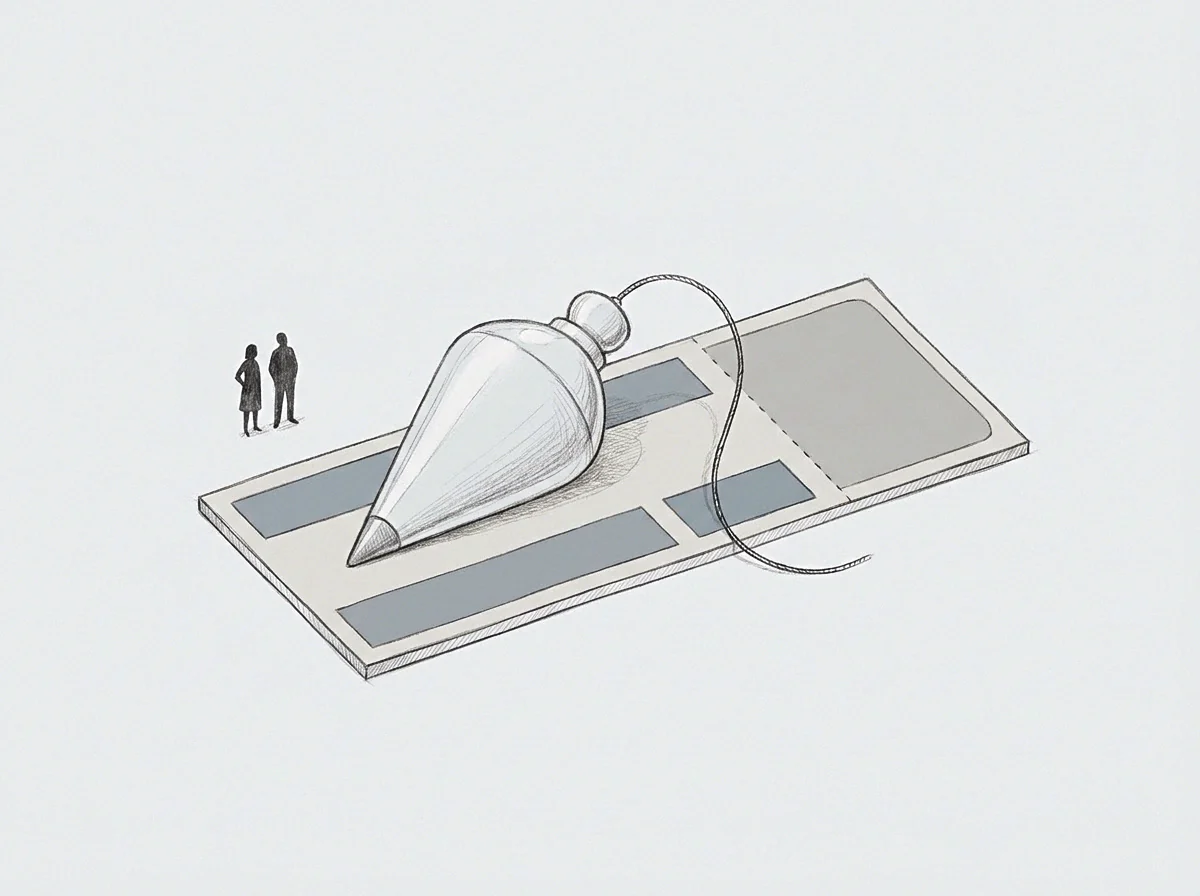
Temporal data disposal constitutes a system management protocol for discarding time-stamped activity records after a defined interval. By applying ephemeral log retention, infrastructure administrators ensure that storage capacity remains dedicated to current operations rather than historical diagnostic noise. This practice prevents the accumulation of stale telemetry that provides no utility for active incident resolution.
Storage Constraint
Automated deletion cycles govern the physical bounds of disk space within a server cluster. Since hardware volumes represent a finite resource, the systematic removal of old output prevents the overflow of write buffers. When incoming data streams exceed the deletion rate, the system loses the capacity to record new events.
Evidence Integrity
Forensic reconstruction relies on the chronological sequence of entries preserved within the active window. Once a file undergoes deletion through ephemeral log retention, the proof of specific state changes becomes unavailable for retrospective analysis. A security investigator requires internal audit trails that remain intact throughout the duration of a specific operational inquiry.
Protocol Limitation
Periodic purges introduce a fixed horizon for accountability in technical systems. Outside this defined window, the absence of records implies the loss of historical visibility rather than an event-free state. Documenting every transaction across an indefinite timeline necessitates a separate archive process because the standard cycle intentionally discards information to maintain system performance.