Meaning
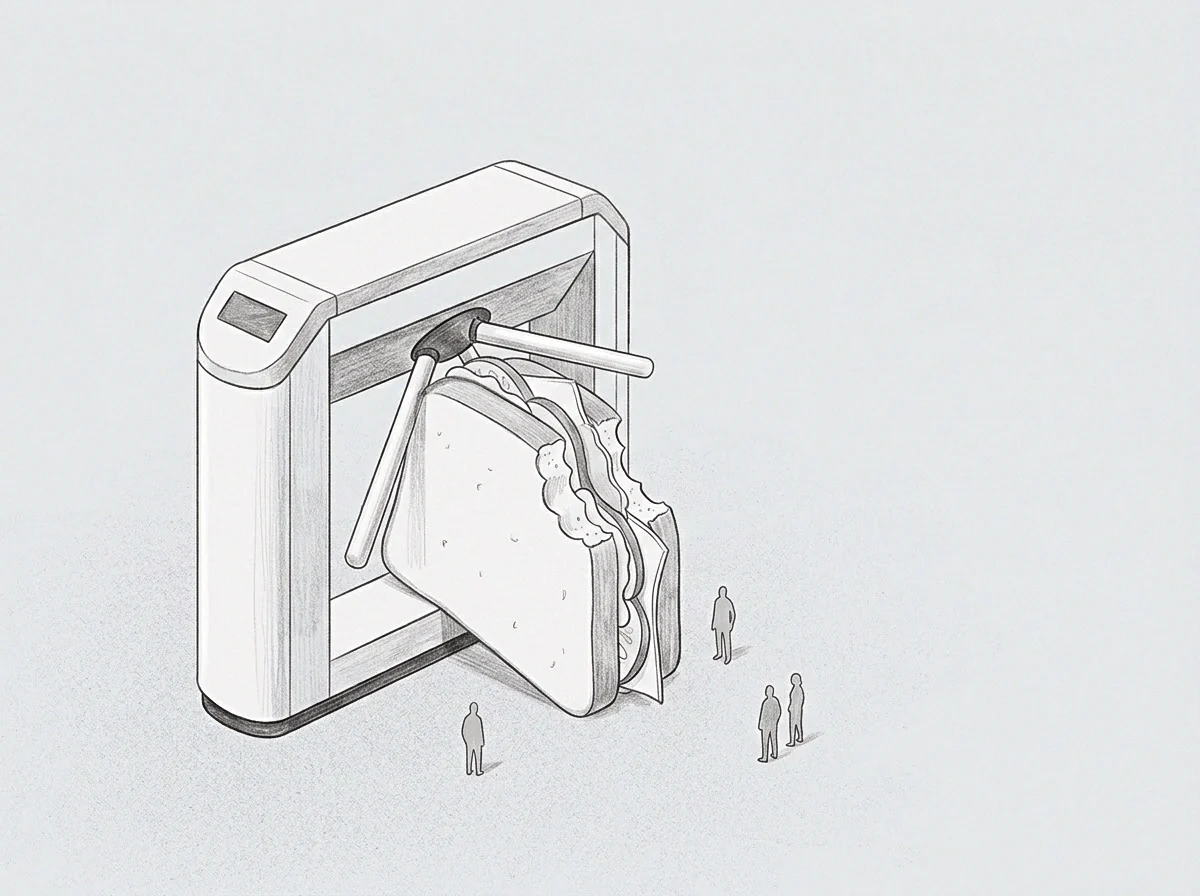
A financial reduction decreases the valuation or ownership share of existing shareholders during a corporate restructuring or recapitalization. This equity haircut is applied to ensure that those who hold the most junior claims bear the first losses before senior creditors face write-downs. It is a standard mechanism for reallocating losses in a distressed company.
Loss Allocation
The hierarchy of claims dictates that shareholders must absorb losses before lenders. During a restructuring, the equity haircut often reduces the value of existing shares to near zero, indicating the company’s insolvency. This dilution is necessary to convince creditors to convert their debt into new equity, as they require a significant ownership stake in exchange for forgiving the debt.
The process enforces the principle that risk-takers must bear the consequences of failure.
Restructuring Incentive
Existing owners are often motivated to cooperate to avoid complete wipeout. While an equity haircut is painful, it is sometimes negotiated to leave original shareholders with a tiny fraction of the reorganized company. This retention of a small stake can incentivize management and founders to cooperate with the restructuring process rather than resisting it through prolonged litigation.
If the company recovers, this residual equity can eventually regain some value. This compromise helps accelerate the restructuring and saves the company from costly liquidation. It balances the need for creditor recovery with the practical benefits of cooperative management.
Market Signal
The expectation of a reduction affects the pricing of a distressed company’s shares. As a company approaches distress, the market prices in the likelihood of an equity haircut, causing the stock price to plunge. This decline indicates the anticipated loss of value and ownership dilution for current shareholders.
The drop warns investors about the high risk of junior equity positions.